
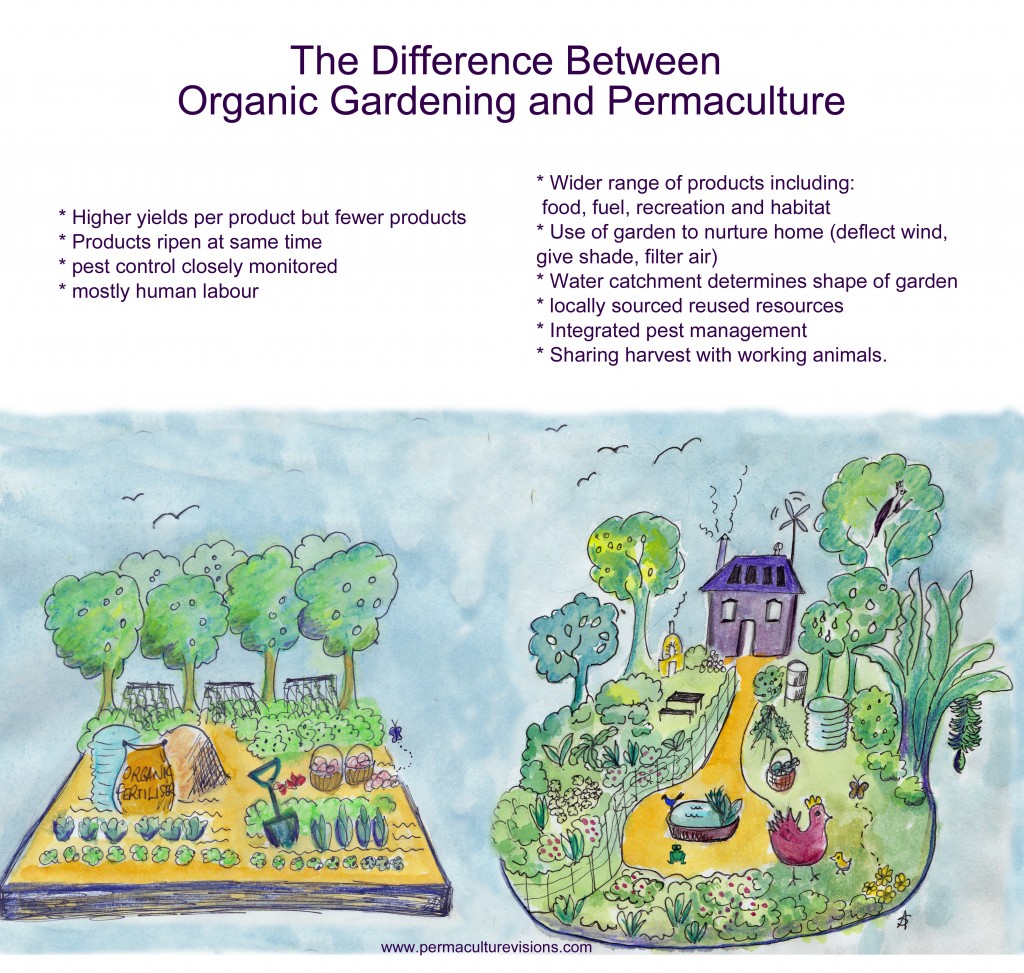
The Difference Between Permaculture and Regenerative Gardening: Understanding the Two Concepts
As a term that has gained popularity in recent years, permaculture is often confused with regenerative gardening. Both concepts share similar goals, but they have distinct differences in approach, philosophy, and application.
What is Permaculture?
Permaculture, coined by Bill Mollison and David Holmgren in the 1970s, refers to a holistic design system that aims to create sustainable and regenerative ecosystems. It involves observing and understanding the relationships between different elements of an ecosystem and designing systems that mimic nature. Permaculture encompasses not only agriculture but also urban planning, architecture, and social organization.
Permaculture’s core principles include:
- Observe and Interact: Observe the natural environment and interact with it in a way that respects its boundaries.
- Catch and Store Energy: Collect and store energy from the sun, rain, and other renewable sources.
- Obtain a Yield: Design systems that produce a yield of resources, such as food, water, or shelter.
- Apply Self-Regulation and Accept Feedback: Regularly evaluate and adjust designs to ensure they are sustainable and regenerative.
What is Regenerative Gardening?
Regenerative gardening focuses specifically on cultivating soil, plants, and microorganisms to improve soil health, biodiversity, and ecosystem services. While regenerative gardening shares some similarities with permaculture, its primary goal is to enhance soil fertility and structure, rather than creating a self-sustaining ecosystem.
Key principles of regenerative gardening include:
- Soil Health: Improve soil structure and fertility through practices like no-till or reduced-till farming, cover cropping, and incorporating organic amendments.
- Biodiversity: Promote biodiversity by growing a variety of crops, incorporating polycultures, and providing habitat for beneficial insects.
- Ecosystem Services: Design systems that provide ecosystem services like pollination, pest control, and nutrient cycling.
Key Differences Between Permaculture and Regenerative Gardening
To understand the differences between permaculture and regenerative gardening, it’s essential to examine their approaches, philosophies, and applications:
- Scope: Permaculture has a broader scope, encompassing not only agriculture but also urban planning, architecture, and social organization. Regenerative gardening is primarily focused on soil improvement and ecosystem services.
- Design Approach: Permaculture involves designing systems that mimic nature, taking into account the complex relationships between different elements of an ecosystem. Regenerative gardening tends to focus more on individual crop management and soil health.
- Goals: The primary goal of permaculture is to create sustainable and regenerative ecosystems that benefit both humans and the environment. Regenerative gardening aims to improve soil fertility and structure, which in turn supports ecosystem services and biodiversity.
Permaculture in Practice
While permaculture has its roots in agriculture, it extends far beyond traditional farming practices. Permaculture principles can be applied to urban planning, architecture, and social organization, leading to more sustainable and regenerative communities.
For example:
- Urban Planning: Permaculture principles can inform urban planning by incorporating green spaces, pedestrian-friendly design, and community gardens.
- Architecture: Buildings designed with permaculture principles in mind can reduce energy consumption, promote biodiversity, and provide habitats for wildlife.
- Social Organization: Permaculture’s focus on community building and cooperation can lead to more equitable and sustainable social systems.
Regenerative Gardening in Practice
Regenerative gardening is an essential component of permaculture, but it also has its own distinct practices and principles. By incorporating regenerative gardening techniques into traditional agriculture, farmers and gardeners can improve soil health, biodiversity, and ecosystem services.
Some examples include:
- Cover Cropping: Planting cover crops between crop cycles to reduce erosion, improve soil fertility, and provide habitat for beneficial insects.
- Composting: Creating nutrient-rich compost through the decomposition of organic waste, which can be used as a natural fertilizer.
- Polycultures: Growing multiple crops together to promote biodiversity, reduce pests and diseases, and increase overall ecosystem resilience.
Permaculture in Italy: Courses and Resources
For those interested in learning more about permaculture, there are numerous courses and resources available in Italy. The Scuola di Pratiche Sostenibili offers a range of courses, from beginner to advanced levels, covering topics such as permaculture design, organic gardening, and sustainable living.
Some upcoming courses include:
- Permacultura Base: A comprehensive course introducing the principles and practices of permaculture.
- Agricoltura Organica e Rigenerativa (AOR): A course focusing on regenerative agriculture and soil improvement techniques.
- Pratiche Sostenibili con Progettazione in Permacultura: An advanced course covering permaculture design, urban planning, and social organization.
Conclusion
Permaculture and regenerative gardening are two distinct concepts that share common goals but differ in approach and application. By understanding the differences between these concepts, individuals can better appreciate the importance of sustainable and regenerative practices in agriculture, urban planning, architecture, and social organization.
Ultimately, both permaculture and regenerative gardening offer powerful tools for creating more resilient and sustainable ecosystems.


