
The Difference Between Blended and Centrifugal Juices: A Comprehensive Guide
As the summer season approaches, we’re all eager to enjoy fresh fruit in a variety of ways. Whether you prefer drinking it straight from the glass, blending it into a smoothie, or juicing it with an extractor, there’s no denying that these refreshing drinks offer incredible health benefits.
To truly reap the rewards, however, it’s essential to make your juices at home using natural ingredients without any added preservatives. In this article, we’ll explore the key differences between blended and centrifugal juices, helping you make an informed decision about which one is best for your taste buds and dietary needs.
What’s in a Juice?
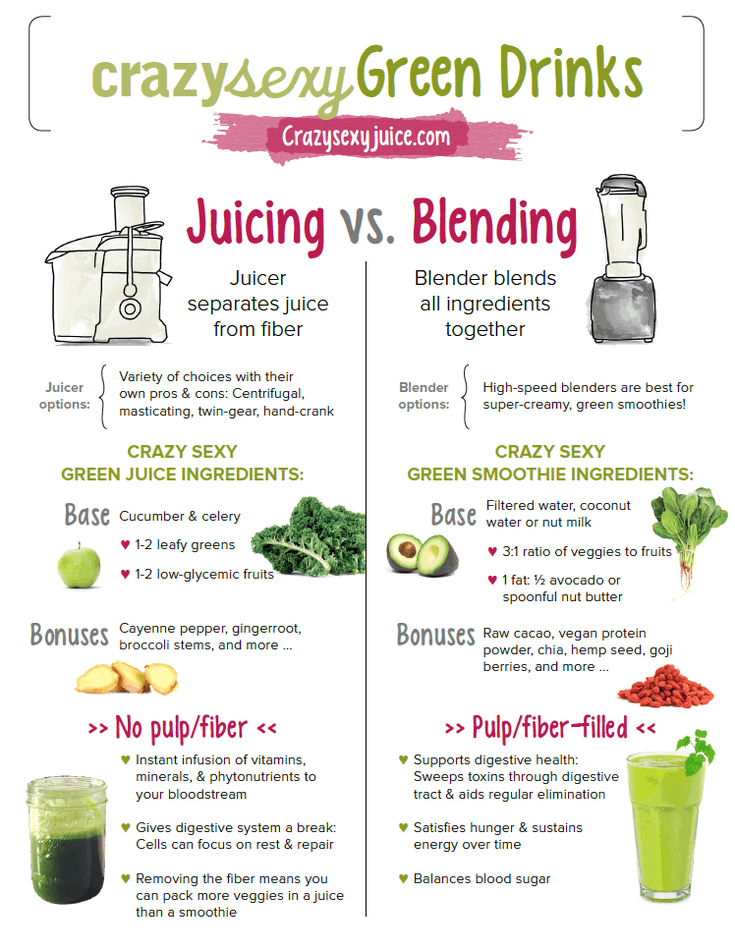
To get started, let’s define what each type of juice entails. A blender, also known as a food processor or mix-master, is used to create a smooth, creamy texture by breaking down the fruit into smaller particles. Think of it like chopping up fresh ingredients and then blending them together for a refreshing drink.
On the other hand, a centrifuge uses high-speed spinning to extract the juice from the fruits and vegetables. This process is often faster than blending, but it may not retain as many beneficial compounds due to the intense heat generated during the extraction process.
Preparing Your Juice
When preparing either type of juice, the key is to choose fresh, ripe ingredients that are free from any skin or seeds. For a smoothie, you can add your preferred fruits, dairy products (like milk or yogurt), and even vegetables for added nutrition. Some popular combinations include banana, apple, and spinach.
Fiber Content: A Key Differentiator
One key difference between blended and centrifugal juices is their fiber content. Blended juices generally retain more of the fruit’s natural fibers, which can help with satiety and digestive health. However, this also means that the juice may be thicker and more calorie-dense.
Centrifugal juices, on the other hand, have lower fiber content due to the extraction process. But don’t worry – they still pack a punch when it comes to hydration and nutrient intake!
Tips for Choosing Between Blended and Centrifugal Juices
When deciding between blended and centrifugal juices, consider your personal preferences and dietary needs:
- Gusto e preferenze: If you like a thicker, creamier texture or want to add dairy products like milk or yogurt, blending might be the way to go. For a lighter, more refreshing drink, centrifugation is a better option.
- Elettrodomestici: Take into account the type of juicer or blender you already own and use regularly.
The Best Centrifuges for Your Needs
While both blended and centrifugal juices have their benefits, having the right equipment can make all the difference. Here’s a brief guide to help you choose the best centrifuge for your needs:
- High-speed extraction: Look for models with high-speed motors (around 10,000 RPM) for efficient juice extraction.
- Multiple speed options: Consider machines that allow you to adjust the speed setting based on your desired texture and consistency.
Benefits of Blended Juices
Blended juices offer several benefits that make them a popular choice among health enthusiasts:
- Thicker texture: Blending creates a thicker, creamier texture that’s perfect for those who prefer a more indulgent drink.
- Added nutrition: Blending allows you to add dairy products like milk or yogurt, which can enhance the nutritional value of your juice.
- Customization: With blending, you have complete control over the ingredients and their proportions, allowing you to tailor your drink to your specific needs.
Benefits of Centrifugal Juices
Centrifugal juices, on the other hand, offer several benefits that make them a great option for those who prefer a lighter, more refreshing drink:
- Faster extraction: Centrifugation is often faster than blending, making it ideal for those who are short on time.
- Lower calorie count: Centrifugal juices typically have a lower calorie count due to the reduced fiber content.
- Easy to make: Centrifuges are generally easier to clean and maintain than blenders, making them a great option for busy households.
Common Uses of Juices
Juices can be used in a variety of ways, depending on your personal preferences and dietary needs:
- Breakfast drink: Start your day off right with a refreshing glass of juice.
- Post-workout recovery: Juice can help replenish essential nutrients after a workout or other strenuous activity.
- Snack time: Enjoy a healthy dose of vitamins and minerals in the form of fresh fruit.
Frequently Asked Questions
- What’s the main difference between blended and centrifugal juices?
Blended juices are typically thicker and creamier due to their higher fiber content, while centrifugal juices have a lower fiber content but are often lighter and more refreshing. - Can I add dairy products to my juice?
Absolutely! You can mix in milk, yogurt, or other dairy alternatives for added nutrition and flavor. - Do centrifuges retain all the nutrients from the fruits and vegetables?
Centrifuges do extract the juice quickly, but some beneficial compounds may be lost due to heat generation during processing. - Can I use frozen fruits in my juice?
Yes! Frozen fruits are just as nutritious as fresh ones, so go ahead and add them to your favorite blend or centrifuge recipe! - What’s the best way to clean my juicer after each use?
Follow the manufacturer’s instructions for cleaning and maintenance to ensure your juicer remains in good condition. - Can I make juices with leafy greens like spinach or kale?
Leafy greens add a boost of nutrients, but they can also be quite bitter. Feel free to experiment with small amounts and adjust to taste! - How often should I replace my juicer’s filters or pulp containers?
Refer to your juicer’s manual for recommended maintenance schedules to ensure optimal performance and hygiene. - Can I share my homemade juice with friends and family?
Absolutely! Share the love (and health benefits!) by brewing a batch of freshly squeezed juice for everyone to enjoy.
By understanding the differences between blended and centrifugal juices, you can make an informed decision about which one is best for your taste buds and dietary needs. Whether you prefer a thicker, creamier texture or a lighter, more refreshing drink, there’s a juicing method out there that’s perfect for you!


