
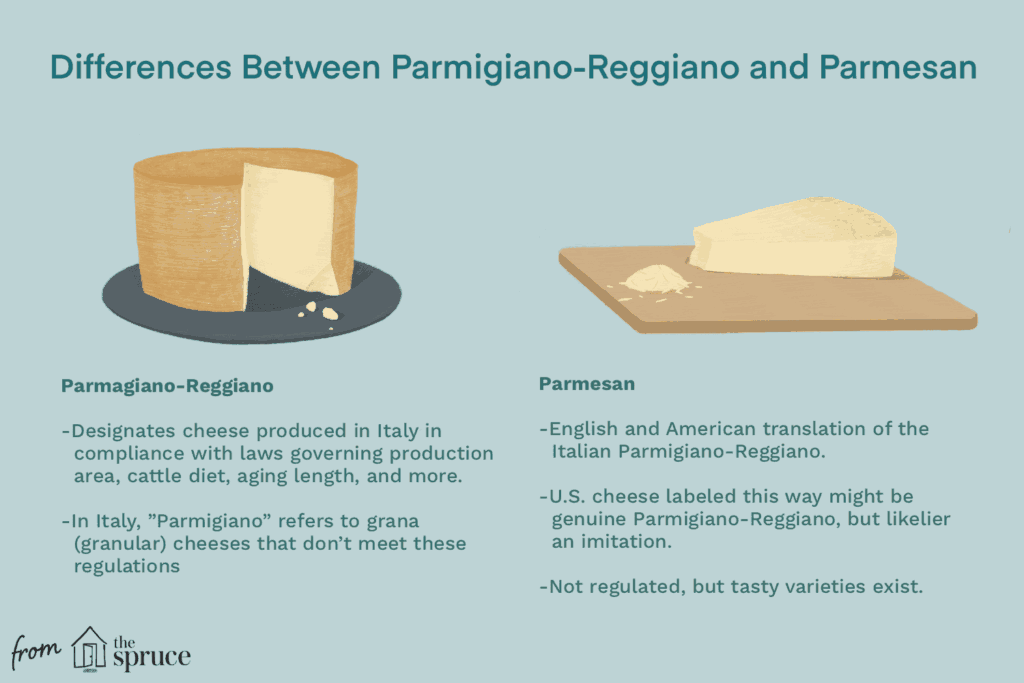
The Ultimate Guide to Understanding the Difference between Grana and Parmigiano: A Comprehensive Overview
As a cheese enthusiast, you’re likely familiar with the rich flavors of Italy’s most iconic cheeses. Among these, two stand out: Grana Padano and Parmigiano Reggiano. While they share similarities in texture and aging process, there are several key differences that set them apart. In this article, we’ll delve into the world of Italian cheese-making and explore what makes Grana and Parmigiano unique.
Understanding the Similarities between Grana and Parmigiano
Before diving into the differences, let’s start with what they have in common. Both Grana Padano and Parmigiano Reggiano are:
- Hard cheeses
- Aged to perfection
- Produced under DOP certification
- Originating from overlapping geographic zones
- Extremely flavorful
These similarities demonstrate that both cheeses share a rich history and cultural significance, highlighting their importance in Italian cuisine.
The Origins of Grana and Parmigiano
Grana Padano and Parmigiano Reggiano share a rich history that dates back centuries. Both originated in Italy, with Grana Padano produced in regions such as Emilia Romagna, Lombardy, Piedmont, Trentino-Alto Adige, and Veneto.
Parmigiano Reggiano, on the other hand, is produced exclusively in the provinces of Parma and Reggio Emilia, with stricter constraints on production areas. This distinction highlights the unique characteristics of each cheese, shaped by their respective regions.
The Milk Used
When it comes to milk, both cheeses use cow’s milk from designated origin zones. However, Grana Padano can be fed “insilati” feeds, which involve working food conserving techniques known as insilation. Parmigiano Reggiano, on the other hand, is forbidden to use insilati.
The aging process for these cheeses plays a crucial role in developing their unique flavor and texture. Grana Padano has a standard aging process that can vary from 9 months to over 20 months, while Parmigiano Reggiano follows a longer aging period starting at 12 months.
Starter Culture and Conservation
The starter culture used for cheese-making is another key difference between the two. Grana Padano uses bacteria isolated in laboratory from natural milk innesto up to 12 times a year, whereas Parmigiano Reggiano relies solely on natural milk innesto.
This distinction highlights the importance of using natural resources and traditional methods in cheese production, ensuring that each cheese retains its unique character.
Cost
Finally, let’s talk about cost. Parmigiano Reggiano tends to be pricier than Grana Padano due to stricter production constraints and smaller territory production. This price difference is a reflection of the time, effort, and resources invested in producing these cheeses.
Conclusion
In conclusion, while Grana and Parmigiano share similarities, their differences lie in the nuances of production, aging processes, and cost. By understanding these distinctions, you can make informed decisions when selecting your next Italian cheese.
Frequently Asked Questions
- What is the difference between Grana and Parmigiano?
The main differences between Grana Padano and Parmigiano Reggiano lie in the production process, aging period, starter culture used, and cost. - Where are Grana and Parmigiano produced?
Grana Padano is produced in regions such as Emilia Romagna, Lombardy, Piedmont, Trentino-Alto Adige, and Veneto. Parmigiano Reggiano is produced exclusively in the provinces of Parma and Reggio Emilia. - What type of milk is used for Grana and Parmigiano production?
Both cheeses use cow’s milk from designated origin zones. However, Grana Padano can be fed “insilati” feeds, while Parmigiano Reggiano cannot. - How long does it take to age Grana and Parmigiano?
The aging process for Grana Padano can vary from 9 months to over 20 months, while Parmigiano Reggiano follows a longer aging period starting at 12 months. - What is the starter culture used for Grana and Parmigiano production?
Grana Padano uses bacteria isolated in laboratory from natural milk innesto up to 12 times a year, whereas Parmigiano Reggiano relies solely on natural milk innesto. - Why does Parmigiano Reggiano cost more than Grana Padano?
The stricter production constraints and smaller territory production for Parmigiano Reggiano contribute to its higher price point.
By understanding the differences between Grana and Parmigiano, you can make informed decisions when selecting your next Italian cheese. Whether you’re a seasoned cheese lover or just starting your journey, there’s always more to discover about these delicious cheeses.


