
As we explore the world of herbal remedies, it’s essential to understand the differences between infusion, decoction, and maceration. These three methods of preparing herbal infusions can seem like technicalities, but they have significant implications for their effectiveness and usage.
In this article, we’ll delve into the world of herbal preparations, exploring what each term means, how they’re prepared, and the benefits of using these methods.
Why Truncate Plant Materials?
Before we dive into the differences between infusion, decoction, and maceration, it’s crucial to understand why plant materials are often truncated before being submerged in water. By roughly chopping or grinding plant parts, you release their natural oils and essences, making them more accessible to your body.
This process is called “truncation,” and it serves several purposes:
- Enhanced bioavailability: Truncating plant materials allows for better absorption of their active compounds into the bloodstream.
- Increased surface area: Chopping or grinding plant parts increases their surface area, allowing for more efficient extraction of nutrients.
- Improved efficacy: By releasing the natural oils and essences, truncation enables the body to utilize the herbal compounds more effectively.
What is a Macerated Liquid?
A macerated liquid is one that’s created by immersing plant material in cold water for 2-4 days, with gentle mixing every few hours. During this time, the plant cells absorb water, causing them to swell and release their active compounds into the liquid.
Maceration is often used to create herbal remedies like salves, creams, and fertilizers. The resulting liquid can be filtered, diluted, and applied as needed.
Some benefits of maceration include:
- Longer shelf life: Macerated liquids tend to have a longer shelf life due to the cold water process.
- Increased potency: Maceration allows for a more natural extraction of plant compounds, resulting in a more potent liquid.
- Improved skin absorption: The prolonged contact time between the plant material and water enables better skin absorption.
What is an Infusion?
Infusions are beverages made by steeping plant materials in hot water. Simply put, when you boil water and add your chosen herbs or leaves, the heat helps release their active compounds into the liquid.
To prepare an infusion, follow these basic steps:
- Measure out the desired amount of plant material
- Boil water in a pot
- Pour the boiling water over the plant material
- Allow it to steep for a few minutes (depending on the type of herb)
- Strain the liquid and discard the solids
Infusions are commonly used as teas, tinctures, or even as fertilizers for plants.
Some benefits of infusions include:
- Easy preparation: Infusions are quick and easy to prepare, making them a convenient option.
- Mild flavor: Infusions tend to have a milder flavor profile compared to other herbal preparations.
- Versatility: Infusions can be used for various purposes, from relieving congestion to treating digestive issues.
Differences between Tisana and Infusion
While both infusions and tisanas involve steeping plant materials in water, there’s a subtle difference. Tisanas typically use leaves or roots that have been directly added to hot water. This process usually takes less than 5 minutes.
On the other hand, infusions often involve chopping or grinding plant parts before adding them to hot water.
In practice, tisanas are often made at home using everyday herbs like peppermint or chamomile.
What is a Decoction?
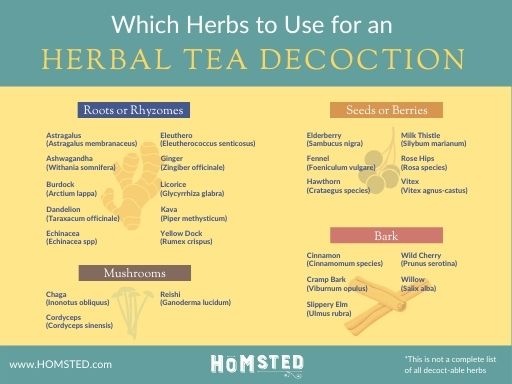
A decoction is another method of preparing herbal liquids by submerging plant material in cold water and then heating it to extract the desired compounds. The key difference between infusion and decoction lies in the preparation process:
- Cold water: Plant materials are added to cold water and left to steep for several hours or overnight.
- Heat: The mixture is then heated until boiling, after which it’s reduced and filtered.
Decoctions involve a longer cooking time compared to infusions and can result in a more concentrated liquid. This process allows for the extraction of deeper, richer compounds from plant materials.
Some benefits of decoctions include:
- Increased potency: Decoctions allow for a more efficient extraction of plant compounds due to the heat process.
- Improved bioavailability: The longer cooking time enables better absorption of nutrients into the bloodstream.
- Traditional use: Decoctions have been used for centuries in traditional medicine, making them a valuable option for those seeking holistic remedies.
Conclusion
Understanding the differences between infusion, decoction, and maceration is essential for harnessing their full potential as herbal remedies. Whether you’re looking to create teas, salves, or fertilizers, these three methods can help unlock the benefits of nature’s bounty.
By choosing the right method for your needs, you can enjoy a wide range of health benefits from plant-based ingredients.


