
As we go about our daily lives, it’s easy to get caught up in the news about viruses and vaccines, leading us to confuse germs and bacteria. But what exactly are these microorganisms, and how do they differ? In this article, we’ll delve into the world of germs and bacteria, exploring their differences, characteristics, and importance.
Why Germs and Bacteria Are Different
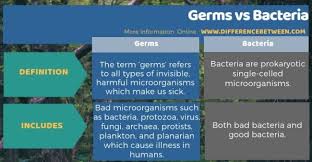
Germs and bacteria are not interchangeable terms. While both can cause harm, they belong to different categories of microorganisms. The term “germ” is often used to describe a wide range of microorganisms, including viruses, fungi, protozoa, spores, toxins, and more. These entities are often referred to as pathogens or disease-causing agents.
On the other hand, bacteria are a specific type of germ that are prokaryotic, meaning they lack a nucleus and other complex cellular structures. Bacteria are single-celled organisms that can be found in various environments, including soil, water, air, and even inside our bodies.
What Are Germs?
Germs are microorganisms that can cause disease or harm to humans and other living organisms. They include viruses, fungi, protozoa, spores, toxins, and more. The term “germ” was first used by scientists to describe the invisible particles present in the air and on objects that could cause diseases.
However, it’s essential to understand that not all germs are created equal. While some germs can cause severe illnesses, others may be harmless or even beneficial to our health.
What Are Bacteria?
Bacteria are a specific type of germ that are prokaryotic and single-celled. They can be found in various environments, including soil, water, air, and even inside our bodies. While some bacteria can cause harm, many are harmless or even beneficial to our health.
For example, certain types of bacteria live in our gut and help us digest food. Others are used in the production of medicines, food, and other products. However, it’s essential to note that not all bacteria are created equal, and some can cause serious illnesses if left untreated.
Why Do We Confuse Germs and Bacteria?
Despite the differences between germs and bacteria, we often confuse the two. This may be due to the fact that both can be present in our environment and can cause harm. However, it’s essential to understand the distinction between these microorganisms to take appropriate precautions and maintain good health.
The Impact of Microorganisms on Human Health
Microorganisms play a significant role in human health, and understanding their differences is crucial for maintaining good health. Some microorganisms can cause severe illnesses, while others may be harmless or even beneficial.
For example, certain types of bacteria live in our gut and help us digest food. These beneficial bacteria are known as the “gut microbiome,” and they play a critical role in maintaining our overall health. On the other hand, some microorganisms can cause diseases such as tuberculosis, meningitis, and pneumonia.
Types of Microorganisms
There are several types of microorganisms that can be found in our environment and on our bodies. These include:
- Bacteria: single-celled organisms that lack a nucleus and other complex cellular structures
- Viruses: tiny particles made up of genetic material and proteins that can cause disease
- Fungi: organisms that obtain their nutrients by decomposing organic matter or forming symbiotic relationships with plants
- Protozoa: single-celled organisms that are typically found in water or soil
- Spores: reproductive structures produced by fungi, bacteria, and other microorganisms
How Microorganisms Cause Disease
Microorganisms can cause disease in several ways:
- Invasion of tissues: some microorganisms can invade tissues and multiply within them, causing damage and inflammation.
- Production of toxins: some microorganisms produce toxins that can harm humans and other living organisms.
- Interference with host cell functions: some microorganisms can interfere with the normal functioning of host cells, leading to disease.
Prevention and Treatment
Preventing the spread of microorganisms is critical for maintaining good health. Some ways to prevent the spread of germs and bacteria include:
- Practicing good hygiene, such as washing your hands regularly
- Avoiding close contact with people who are sick
- Staying up-to-date on vaccinations and medications
- Maintaining a healthy lifestyle, including eating a balanced diet and exercising regularly
Treating microorganisms requires a comprehensive approach that takes into account the type of microorganism, its virulence, and the severity of the disease. Some common treatments for microorganisms include:
- Antibiotics: medications that target specific types of bacteria
- Anti-viral medications: medications that target specific types of viruses
- Fungal medications: medications that target specific types of fungi
Conclusion
In conclusion, germs and bacteria are distinct categories of microorganisms that belong to different realms. While some germs can cause harm, many are harmless or even beneficial to our health. By understanding the differences between these entities and their characteristics, we can take appropriate precautions to maintain good health and reduce the risk of illness.
Frequently Asked Questions
- What is the difference between a germ and a bacterium?
A germ refers to a wide range of microorganisms that can cause disease or harm, while a bacterium is a specific type of germ that is prokaryotic and single-celled. - Why do we get sick from germs and bacteria?
We get sick when germs or bacteria enter our bodies and cause an infection, which can lead to inflammation, damage to tissues, and other health problems. - Can all bacteria be harmful?
No, not all bacteria are created equal. While some can cause serious illnesses, many are harmless or even beneficial to our health. - How do we prevent the spread of germs and bacteria?
We can prevent the spread of germs and bacteria by practicing good hygiene, washing our hands regularly, avoiding close contact with people who are sick, and staying up-to-date on vaccinations and medications. - Can germs and bacteria be beneficial to our health?
Yes, many germs and bacteria are beneficial to our health. For example, certain types of bacteria live in our gut and help us digest food, while others are used in the production of medicines, food, and other products.
By understanding the differences between germs and bacteria, their characteristics, and the risks associated with different types of microorganisms, we can take appropriate precautions to maintain good health and reduce the risk of illness.


