
In recent years, the European Union has reached an agreement with Germany that will allow the continued production of gasoline-powered vehicles until 2035, provided they are fueled by e-fuel. In contrast, Italy’s efforts to promote biofuels as a sustainable alternative have been met with limited success. This article aims to provide an in-depth look at the differences between e-fuel and biofuels, their potential impact on the environment, and the current state of affairs regarding their adoption.
What are e-Fuels?
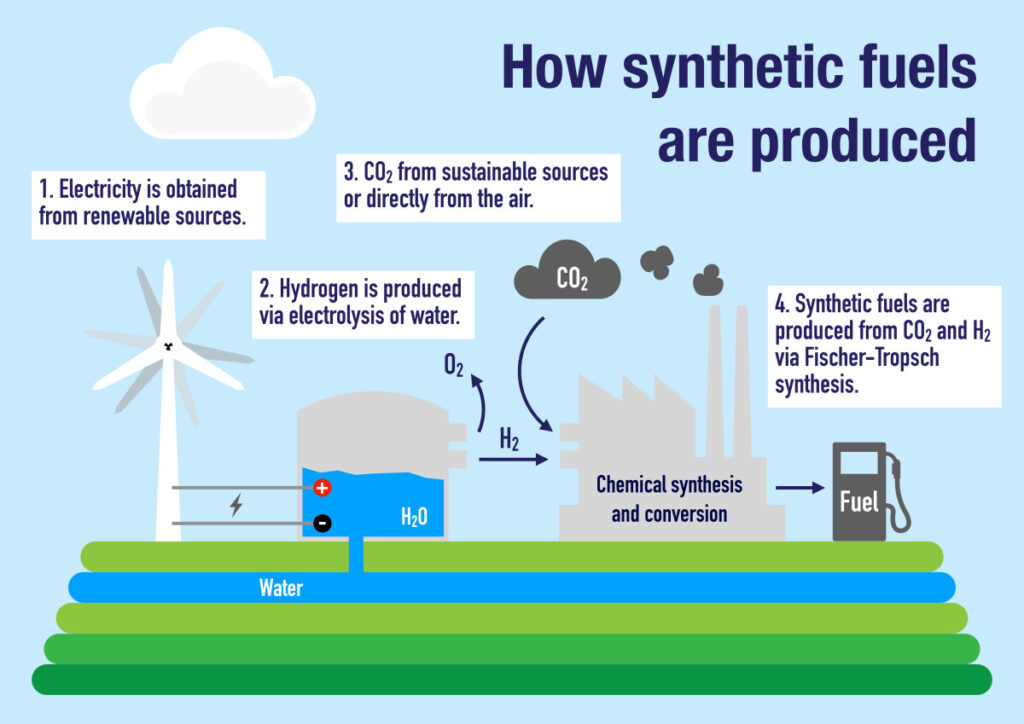
e-Fuels, also known as synthetic fuels, are a type of fuel produced through chemical synthesis using renewable energy sources like solar, wind, or hydroelectric power. This process involves combining carbon dioxide (CO2) and hydrogen (H2) to create liquid fuels such as methanol, diesel, and synthetic gasoline.
The primary goal of e-fuels is to replace fossil fuels, which are a significant contributor to greenhouse gas emissions and climate change. By using renewable energy sources, e-fuels can help reduce the carbon footprint of transportation and support Europe’s ambitious emission reduction targets.
What are Biofuels?
Biofuels, on the other hand, are fuels derived from organic matter such as plants, algae, or animal waste. They can be produced through various processes, including fermentation, transesterification, or pyrolysis.
There are several types of biofuels, including ethanol (produced from crops like corn, sugarcane, or wheat), biodiesel (derived from vegetable oils or animal fats), and biogas (produced from organic waste).
The Production Process
E-fuel production involves a complex process that requires significant amounts of renewable energy. The most common method is the electrolysis of water, which involves using electricity to split water molecules into hydrogen and oxygen.
The next step is to combine carbon dioxide with hydrogen to produce liquid fuels through various chemical reactions. These reactions can be catalyzed by materials like zeolites or metal-organic frameworks (MOFs).
Biofuel production, on the other hand, typically involves fermenting organic matter to produce ethanol or biodiesel. This process can occur in various stages, including the conversion of biomass into sugars, followed by microbial fermentation.
The Environmental Impact
One of the primary benefits of e-fuels is their potential to reduce greenhouse gas emissions from transportation. Since e-fuel production can be powered by renewable energy sources, it can help mitigate climate change and support Europe’s ambitious emission reduction targets.
Biofuels, particularly second-generation biofuels, can also contribute to reducing emissions while promoting sustainable agriculture practices. However, first-generation biofuels (like ethanol and biodiesel) may divert food crops away from human consumption, potentially exacerbating land use changes.
The Role of Second-Generation Biofuels
Second-generation biofuels are produced from non-food biomass like agricultural waste, forestry residues, or algae. These fuels can help reduce emissions while promoting sustainable agriculture practices by providing an alternative to food crops.
Examples of second-generation biofuels include:
- Algae-based biofuels: Algae can be grown using wastewater or other non-arable land sources, reducing the need for agricultural land and minimizing water usage.
- Agricultural waste-based biofuels: Agricultural waste like corn stalks, sugarcane bagasse, or potato peels can be converted into fuels through various biochemical processes.
The Current State of Affairs
The European Union’s agreement with Germany allows for the continued production of gasoline-powered vehicles until 2035, provided they are fueled by e-fuel. This has raised concerns among environmental groups about the sustainability of this policy and the potential impact on land use changes and energy consumption.
Italy’s efforts to promote biofuels as a sustainable alternative have been met with limited success. The country has set ambitious targets for biofuel production, but challenges in scaling up production and ensuring the sustainability of agricultural practices remain significant hurdles.
Conclusion
The transition to sustainable transportation requires careful consideration of various factors, including energy sources, greenhouse gas emissions, and land use changes. While e-fuels offer promise as a low-carbon alternative to fossil fuels, their high energy requirements and limited availability raise concerns about scalability and feasibility.
Biofuels, particularly second-generation biofuels, can play a role in reducing emissions while promoting sustainable agriculture practices. However, their production should be accompanied by careful assessment of social and environmental impacts.
As the European Union continues to navigate the complexities of e-fuel and biofuel production, it is essential to engage with environmental associations, policymakers, and industry stakeholders to ensure that sustainable transportation solutions are developed in a responsible and equitable manner.
FAQs
-
What is e-fuel, and how is it produced?
E-fuel is a type of fuel produced through chemical synthesis using renewable energy sources like solar, wind, or hydroelectric power. The production process involves combining carbon dioxide (CO2) and hydrogen (H2) to create liquid fuels. -
How does biofuel differ from e-fuel?
Biofuel is a type of fuel derived from organic matter such as plants, algae, or animal waste. It can be produced through various processes, including fermentation, transesterification, or pyrolysis. -
What are the benefits of e-fuel and biofuel for sustainable transportation?
E-fuel and biofuel can help reduce greenhouse gas emissions from transportation, promote renewable energy sources, and support sustainable agriculture practices. -
How do environmental associations view e-fuel and biofuel?
Environmental associations have varying views on e-fuel and biofuel, with some seeing them as positive developments for reducing emissions without land use changes and others raising concerns about high energy requirements and limited availability of renewable energy sources. -
What role can second-generation biofuels play in sustainable transportation?
Second-generation biofuels produced from non-food biomass like agricultural waste, forestry residues, or algae can help reduce emissions while promoting sustainable agriculture practices. -
How can the EU balance e-fuel and biofuel production with environmental concerns?
The EU should prioritize a balanced approach that considers both environmental benefits and social impacts, engaging with environmental associations, policymakers, and industry stakeholders to ensure responsible development of sustainable transportation solutions. -
What are the potential impacts of e-fuel and biofuel production on land use changes and energy consumption?
E-fuel production requires significant amounts of renewable energy, which can raise concerns about scalability and feasibility. Biofuel production can divert food crops away from human consumption if not managed sustainably. -
How can policymakers support the transition to sustainable transportation?
Policymakers should prioritize research and development of e-fuel and biofuel technologies, promote sustainable agriculture practices, and engage with industry stakeholders to ensure responsible development of sustainable transportation solutions. -
What are some examples of second-generation biofuels?
Examples of second-generation biofuels include algae-based biofuels, agricultural waste-based biofuels, and biogas produced from organic waste. -
How can consumers support the transition to sustainable transportation?
Consumers can support the transition to sustainable transportation by choosing fuel-efficient vehicles, promoting renewable energy sources, and advocating for policies that prioritize sustainability and environmental protection.


