
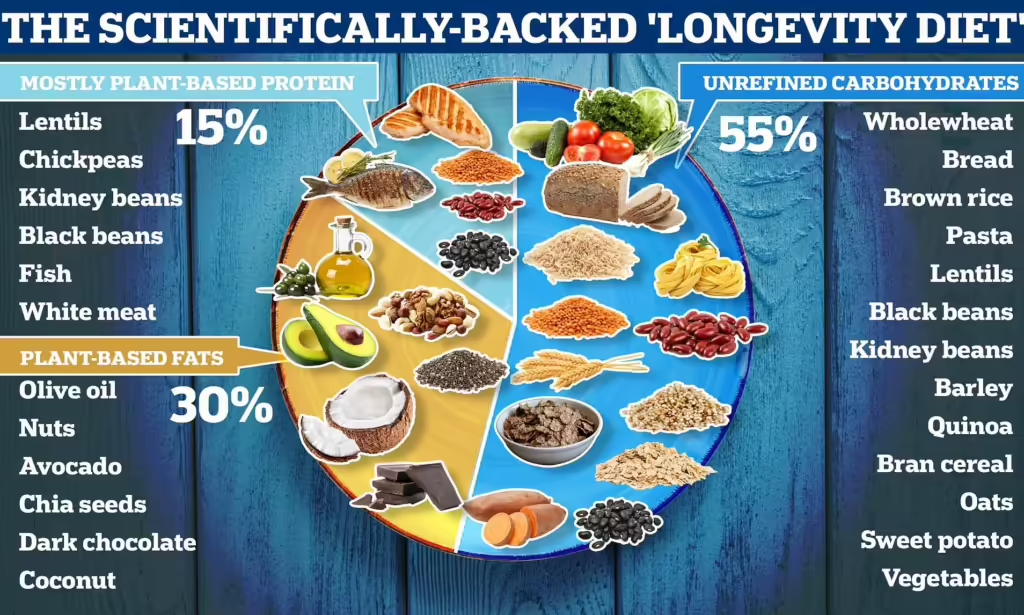
As we age, our bodies undergo various changes that can affect our overall health and well-being. While we can’t stop time by eating the right foods, research suggests that a balanced diet can significantly reduce the risk of chronic diseases like cancer, cardiovascular disease, autoimmune disorders, diabetes, and neurodegenerative diseases such as Alzheimer’s. In fact, a healthy lifestyle, including regular physical activity and a nutritious diet, can help us live longer and healthier lives.
Understanding the Connection between Diet and Longevity
The relationship between diet and longevity is complex and influenced by various factors, including genetics, lifestyle choices, and environmental exposures. While we can’t control our genetic predispositions, we can take steps to mitigate the effects of certain dietary components on our health.
One key area of focus is the role of inflammation in chronic diseases. Chronic inflammation can lead to tissue damage and contribute to the development of various diseases. A balanced diet rich in fruits, vegetables, whole grains, and healthy fats can help reduce inflammation and promote overall health.
Another critical aspect is the impact of nutrient deficiencies on longevity. Certain nutrients, such as vitamin D, omega-3 fatty acids, and antioxidants, play a crucial role in maintaining optimal health. Deficiencies in these nutrients have been linked to an increased risk of chronic diseases.
The Key to Longevity: What to Eat
So, what should we eat to promote longevity? The answer lies in choosing whole, unprocessed foods that are rich in nutrients and low in added sugars, refined carbohydrates, and unhealthy fats. Aim for a diet that is high in:
- Vegetables (dark leafy greens, bell peppers, carrots, and more)
- Fruits (berries, citrus fruits, apples, and pears)
- Whole grains (quinoa, brown rice, whole wheat bread, and pasta)
- Lean protein sources (chicken, fish, beans, lentils, and tofu)
- Healthy fats (nuts, seeds, avocado, and olive oil)
In contrast, limit or avoid:
- Processed meats
- Refined sugars
- Saturated and trans fats
The Benefits of a Plant-Based Diet
A plant-based diet has been shown to have numerous health benefits, including reducing the risk of chronic diseases. By incorporating more plant-based foods into your diet, you may experience:
- Weight loss
- Improved blood sugar control
- Lower cholesterol levels
- Reduced inflammation
- A stronger immune system
Foods to Emphasize in Your Diet
Incorporate these nutrient-dense foods into your diet to support overall health and longevity:
- Leafy Greens: Spinach, kale, collard greens, and other leafy greens are rich in vitamins A, C, and K, as well as minerals like calcium and iron.
- Berries: Blueberries, strawberries, raspberries, and blackberries are high in antioxidants and fiber.
- Fatty Fish: Fatty fish like salmon, sardines, and mackerel are rich in omega-3 fatty acids, which support heart health and brain function.
- Nuts and Seeds: Almonds, walnuts, chia seeds, and flaxseeds are high in healthy fats, protein, and fiber.
The Importance of Portion Control
While it’s essential to eat a balanced diet, portion control is crucial to maintaining a healthy weight and reducing the risk of chronic diseases. Aim for:
- 3 main meals per day
- 2-3 snacks between meals
- 1-2 cups of fruits and vegetables per meal
- 1/2 cup of whole grains per meal
The Role of Physical Activity in Longevity
Regular physical activity is essential for maintaining overall health and reducing the risk of chronic diseases. Aim for:
- At least 30 minutes of moderate-intensity exercise per day
- 150 minutes of vigorous-intensity exercise per week
- Strength training exercises at least twice a week
Tips for a Healthy Lifestyle
In addition to a balanced diet and regular physical activity, here are some tips for a healthy lifestyle:
- Stay hydrated: Drink plenty of water throughout the day.
- Get enough sleep: Aim for 7-9 hours of sleep per night.
- Manage stress: Engage in stress-reducing activities like meditation or yoga.
- Connect with others: Build and maintain strong social connections.
Conclusion
A healthy lifestyle, including a balanced diet and regular physical activity, can significantly reduce the risk of chronic diseases and promote overall health and longevity. By incorporating whole, unprocessed foods into your diet and staying hydrated, getting enough sleep, managing stress, and connecting with others, you can take control of your health and live a longer, healthier life.
Frequently Asked Questions
- What is the best way to lose weight for longevity?
- A balanced diet and regular physical activity are essential for sustainable weight loss.
- Can I still get enough nutrients on a plant-based diet?
- Yes, plant-based diets can be rich in nutrients if planned properly.
- How much exercise should I do to support longevity?
- Aim for at least 30 minutes of moderate-intensity exercise per day and 150 minutes of vigorous-intensity exercise per week.
- Can stress affect my health and longevity?
- Yes, chronic stress can have negative effects on overall health and increase the risk of chronic diseases.
- How much sleep do I need for optimal health and longevity?
- Aim for 7-9 hours of sleep per night to support overall health and well-being.
Additional Resources
- National Institute on Aging: www.nia.nih.gov
- American Heart Association: www.heart.org
- Academy of Nutrition and Dietetics: www.andjrnl.org
By incorporating these tips and resources into your daily life, you can take control of your health and promote overall well-being for a longer, healthier life.


