
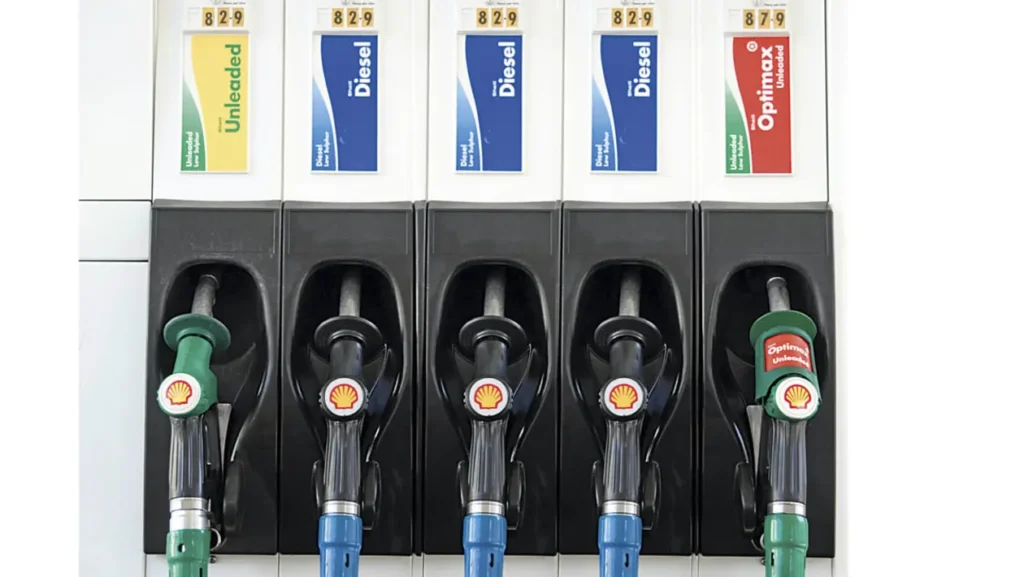
The Diesel vs Gasoline Debate: A New Era of Regulation
Introduction
The European Commission is considering eliminating the tax advantage enjoyed by diesel over gasoline. This proposal aims to combat climate change, but it may also lead to further price increases for diesel fuel. As we explore this topic, let’s examine the implications and potential consequences for consumers, policymakers, and the environment.
Historical Context
The debate surrounding diesel and gasoline has been ongoing for years. Diesel was initially considered a more efficient alternative to gasoline due to its higher energy density. However, as concerns about climate change grew, so did the focus on reducing emissions from transportation fuels. The European Commission’s proposal is part of this effort.
The Proposal
The Commission proposes that taxes on energy products (including electricity and fuels) be calculated based on CO2 emissions and potential energy value. This approach would incentivize countries to adopt cleaner energy sources, such as wind and solar power. While the intention is laudable, the impact on diesel prices remains uncertain.
Potential Consequences
If the proposal becomes law, it could lead to increased taxes on diesel fuel, further reducing its affordability for consumers. In countries where diesel benefits from tax advantages over gasoline, this would exacerbate price disparities between the two fuels.
Economic Implications
The potential increase in diesel prices could have far-reaching economic consequences. For instance:
- Farmers and agricultural businesses might struggle to maintain profit margins if they rely heavily on diesel-powered equipment.
- The transportation sector, which relies on diesel fuel for many vehicles, could face increased operating costs.
- Consumers may be forced to adjust their purchasing habits or seek alternative energy sources.
Environmental Benefits
On the other hand, reducing emissions from diesel fuel could lead to a decrease in air pollution and greenhouse gas emissions. This would have positive effects on public health and the environment.
Alternative Perspectives
Some argue that the proposal overlooks regional differences in energy efficiency and costs. For example:
- Diesel-powered equipment might be more efficient for certain agricultural practices, such as crop drying.
- In regions with access to abundant renewable energy sources, taxes on diesel fuel might not be as burdensome.
Implementation Challenges
The European Commission’s proposal will require careful consideration of various factors, including:
- Balancing economic and environmental concerns
- Ensuring fairness across different member states
- Addressing regional disparities in energy efficiency and costs
Conclusion
As the debate surrounding diesel and gasoline continues, it is essential to consider the potential consequences of regulatory changes. Policymakers must weigh the benefits of reducing emissions against the potential economic and social impacts on consumers and industries.
Frequently Asked Questions
- What is the purpose of the European Commission’s proposal?
- The proposal aims to combat climate change by reducing emissions from energy products, including diesel fuel.
- How will taxes on energy products be calculated under the new proposal?
- Taxes will be based on CO2 emissions and potential energy value.
- Could the proposal lead to increased prices for diesel fuel?
- Yes, it is possible that increased taxes could further reduce the affordability of diesel fuel.
- How might farmers and agricultural businesses be affected by the proposal?
- They may struggle to maintain profit margins if they rely heavily on diesel-powered equipment.
- What are some potential regional differences in energy efficiency and costs that policymakers should consider?
- Regional disparities in energy efficiency and costs, such as access to abundant renewable energy sources or efficient agricultural practices, should be taken into account when implementing the proposal.
By understanding the complexities of the diesel vs gasoline debate, we can better navigate the regulatory landscape and make informed decisions about our energy choices.


