
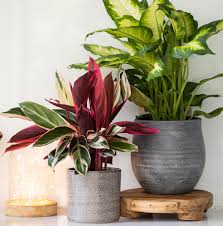
Dieffenbachia, a plant that may seem unknown to us, but is actually present in our homes without our knowledge. Its name may suggest obscurity, but it is actually widely found inside our houses. Originating from Central and Southern America, it belongs to the Araceae family and comes in many varieties, with only a few being present in Italy due to its size and ability to adapt to our climate.
Dieffenbachia Amoena: The Majestic Plant
The Dieffenbachia amoena, likely derived from D. picta, arrives from Columbia and Costa Rica. It distinguishes itself from other varieties for its impressive appearance, conveying robustness and solidity. It is undoubtedly one of the most common types of Dieffenbachia, although not always easy to accommodate in apartments due to its height. Its trunk is robust and green, leaves are large and have a long petiole, measuring up to 60 cm and displaying green color with yellow and cream stripes.
The Unique Features of Dieffenbachia
Dieffenbachia has several unique features that make it an attractive plant for indoor gardening. Its ability to thrive in low-light conditions makes it an excellent choice for rooms with limited natural light. Additionally, its large leaves provide ample space for decorative arrangements, while its robust trunk adds a sense of stability and grounding.
Why Dieffenbachia Makes a Great Indoor Plant
As an indoor plant, Dieffenbachia adapts well to our home climate conditions. However, its size can be a problem. Appreciated for its beauty and elegance, and also because it is relatively easy to care for, Dieffenbachia must be placed in a way that does not obstruct the rooms.
It’s a evergreen plant with fleshy and upright trunk, large oval leaves, and green color often spotted with yellow or cream shades depending on the variety. This unique combination of features makes Dieffenbachia an attractive addition to any indoor space.
The Benefits of Growing Dieffenbachia
Growing Dieffenbachia can provide numerous benefits for indoor gardeners. For one, it is relatively low-maintenance and easy to care for, making it an excellent choice for beginners. Additionally, its ability to thrive in low-light conditions makes it an excellent choice for rooms with limited natural light.
Moreover, Dieffenbachia has air-purifying properties that can help improve indoor air quality. Its large leaves are also a great source of shade, providing a cooling effect on hot summer days.
How to Grow and Care for Dieffenbachia
When growing Dieffenbachia, it is essential to be aware that all its parts contain crystalline calcium oxalate cells that can cause irritation. Wearing gloves when handling the plant is crucial.
The optimal placement of the plant should take into account that it loves heat and dislikes cold blows and air currents. It prefers high humidity (80-90%) but if we do not live in humid areas, regular misting is recommended.
Pruning Dieffenbachia: The Right Moment
As mentioned earlier, Dieffenbachia should not be pruned unless specific cases arise where branches need to be removed or dry ones need to be eliminated. In general, it’s enough to free the plant from dry leaves to make space for new growth.
During autumn and winter, we can also suspend fertilization and avoid overwatering to prevent stagnation. A warning: when pruning Dieffenbachia, a toxic sap may emerge, irritating the skin.
Dieffenbachia Striped Leaves
In all Dieffenbachia varieties, or almost, the leaves display yellow stripes or cream colors that are not signs of disease or poor health. This occurs in D. Bausei, derived from D. maculata and Weirii, displaying leaves with yellow speckles having a decorative effect.
Similarly, it happens for D. Picta Exotica, recognizable because it lacks a trunk and has irregularly variegated white and yellow leaves. From Costa Rica comes the D. Oerstedii, with much larger and greener leaves, but without yellow stripes, displaying white nerve along its costal margin.
Dieffenbachia Price: Affordable Luxury
Buying an online Dieffenbachia can cost around €10, while in flower shops or nurseries, the price is similar.
Frequently Asked Questions (FAQs)
- What is the best way to care for a Dieffenbachia?
To provide optimal conditions, it’s essential to maintain heat and avoid cold blows and air currents. High humidity (80-90%) is also necessary. - How can I prevent Dieffenbachia from flowering indoors?
Unfortunately, it’s extremely difficult to make Dieffenbachia bloom indoors due to the vastly different climate compared to its native regions. - Why are the leaves of my Dieffenbachia turning yellow?
Yellow stripes or cream colors on the leaves are not signs of disease or poor health and can occur in various varieties. - Can I prune a mature Dieffenbachia?
Pruning should only be done when necessary, as removing branches or dry leaves can help maintain plant health.
Common Problems with Dieffenbachia
Dieffenbachia is generally a low-maintenance plant, but it’s not immune to common problems. Here are some of the most common issues that gardeners may encounter:
- Yellowing Leaves: Yellowing leaves can be caused by overwatering, underwatering, or exposure to direct sunlight.
- Brown Tips: Brown tips on the leaves can be caused by dry air, low humidity, or overfertilization.
- Pests: Dieffenbachia can be susceptible to pests like spider mites, mealybugs, and scale.
- Diseases: Dieffenbachia can be prone to diseases like root rot, leaf spot, and crown rot.
Conclusion
Dieffenbachia is a beautiful and versatile plant that can add elegance and sophistication to any indoor space. With its low-maintenance requirements and air-purifying properties, it’s an excellent choice for gardeners of all levels. By understanding the unique features and needs of this plant, you can ensure its optimal health and thrive in your own home.
Tips for Choosing a Healthy Dieffenbachia
When choosing a Dieffenbachia, look for the following signs of health:
- Green leaves with yellow stripes or cream colors
- A robust trunk with no signs of dryness or cracking
- A well-developed root system with healthy roots
By choosing a healthy plant and providing optimal care, you can enjoy the beauty and benefits of Dieffenbachia for years to come.


