
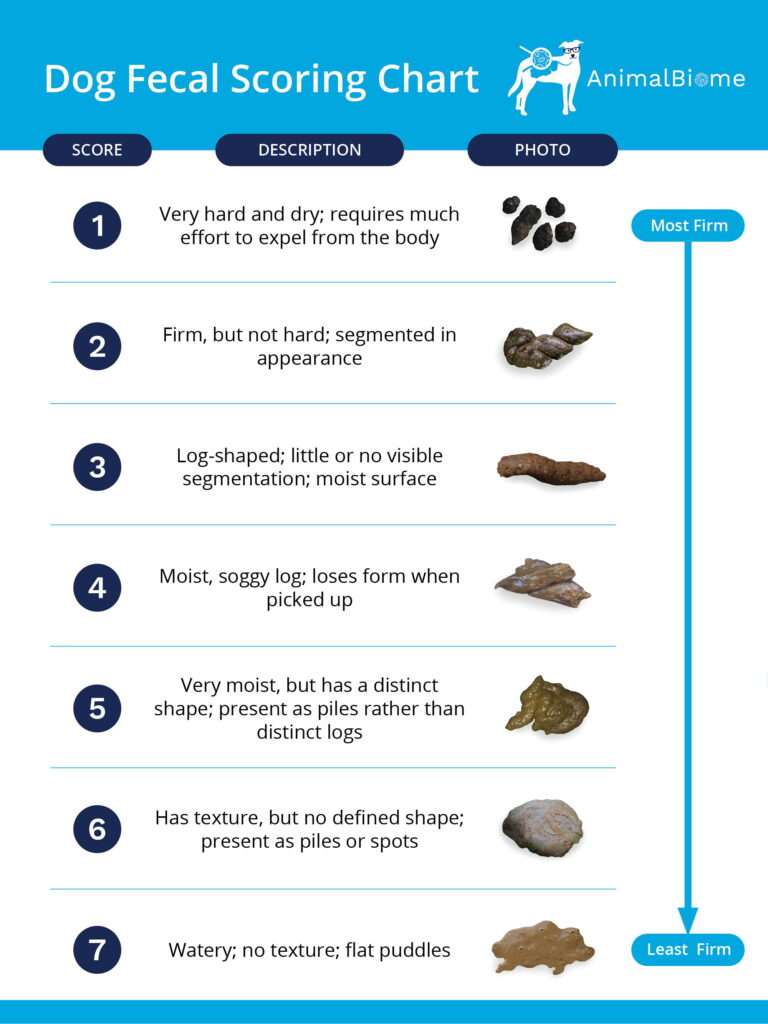
As a pet owner, there’s nothing more distressing than seeing your furry friend struggle with digestive issues. One of the most common problems pets face is diarrhea, which can range from mild to severe. In this article, we’ll delve into the causes, symptoms, and treatment options for canine diarrhea, helping you better understand what’s happening in your pet’s body and how to provide the best care.
What is Canine Diarrhea?
Canine diarrhea is a common gastrointestinal disorder that affects dogs of all ages. It’s characterized by an increase in the frequency and volume of feces, often with changes in their consistency, color, and texture. Unlike human diarrhea, canine diarrhea can be caused by various factors, including dietary changes, allergies, parasites, and underlying health issues.
Symptoms of Canine Diarhea
The symptoms of canine diarrhea are quite evident. Here are some common signs to look out for:
- Increased frequency and volume of feces
- Changes in stool color (yellow, brown, or black)
- Presence of blood or mucus in the feces
- Abdominal pain or discomfort
- Loss of appetite
Causes of Canine Diarhea
There are several causes of canine diarrhea, ranging from minor to severe. Some common causes include:
- Dietary changes: Sudden or frequent changes in your dog’s diet can lead to digestive issues.
- Allergies and intolerances: Food allergies or sensitivities can cause inflammation in the gut, leading to diarrhea.
- Parasites: Intestinal parasites like giardia, hookworms, and whipworms can infect your dog’s intestines, causing diarrhea.
- Underlying health issues: Certain medical conditions, such as pancreatitis, inflammatory bowel disease, or cancer, can lead to diarrhea.
Risks of Canine Diarhea
Canine diarrhea can be a serious condition if left untreated. Risks include:
- Dehydration: Severe diarrhea can cause dehydration, which can lead to more severe complications.
- Malnutrition: Chronic diarrhea can lead to malabsorption of nutrients, causing weight loss and nutritional deficiencies.
Treatment Options for Canine Diarhea
The treatment options for canine diarrhea depend on the underlying cause. Here are some common treatments:
- Probiotics: Probiotic supplements or fermented foods like yogurt can help restore the balance of good bacteria in the gut.
- Antibiotics: Antibiotics may be prescribed if the diarrhea is caused by a bacterial infection.
- Medications: Anti-diarrheal medications or laxatives can help manage symptoms.
- Dietary changes: Your veterinarian may recommend a specific diet or feeding schedule to help your dog recover.
Preventing Canine Diarhea
While it’s impossible to completely prevent canine diarrhea, there are steps you can take to reduce the risk:
- Feed a balanced diet: Provide a high-quality, balanced diet that meets your dog’s nutritional needs.
- Avoid sudden changes: Gradually introduce new foods or ingredients to avoid digestive upset.
- Keep your dog clean: Regularly clean your dog’s living area and food bowls to reduce the risk of parasite infestation.
Conclusion
Canine diarrhea is a common problem that can be caused by various factors. By understanding the symptoms, causes, and treatment options, you can provide the best care for your furry friend. Remember to monitor your dog’s health closely and seek veterinary advice if you notice any unusual changes in their behavior or stool.
Frequently Asked Questions
Q: What is the most common cause of canine diarrhea?
A: The most common causes of canine diarrhea include dietary changes, allergies, and parasites.
Q: Can human medications be given to dogs with diarrhea?
A: No, human medications should not be given to dogs without consulting a veterinarian first. Some medications can be toxic or cause adverse reactions in dogs.
Q: How long does it take for dogs to recover from diarrhea?
A: The recovery time for dogs with diarrhea depends on the underlying cause and treatment. In some cases, dogs may recover within a few days, while others may require longer-term treatment.
Q: Can dogs get dehydrated from diarrhea?
A: Yes, dogs can become dehydrated if they have severe diarrhea. It’s essential to monitor your dog’s hydration levels and seek veterinary advice if you notice any signs of dehydration.
Q: Can dogs catch diarrhea from other animals?
A: Yes, dogs can contract diarrhea from other animals, especially those with parasites or gastrointestinal issues. Practice good hygiene and regular deworming to reduce the risk of transmission.
Q: What is the best way to prevent canine diarrhea?
A: The best way to prevent canine diarrhea is by feeding a balanced diet, avoiding sudden changes, and keeping your dog’s living area clean and parasite-free.
Q: Can dogs with diarrhea still be active and playful?
A: Yes, dogs can still be active and playful even with diarrhea. However, it’s essential to monitor their energy levels and adjust their exercise routine accordingly.
Common Diarrhea Cures at Home
While it’s always best to consult a veterinarian for proper diagnosis and treatment, there are some common diarrhea cures that you can try at home:
- BRAT Diet: The BRAT diet (bananas, rice, applesauce, and toast) is a common remedy for mild diarrhea. These foods are easily digestible and can help firm up stool.
- Probiotics: Adding probiotics to your dog’s diet can help restore the balance of good bacteria in their gut.
- Chicken Broth: Chicken broth can be used as a warm compress or added to your dog’s food to help soothe an upset stomach.
When to Seek Veterinary Advice
While some cases of diarrhea may resolve on their own, there are times when it’s essential to seek veterinary advice. If you notice any of the following signs, consult with a veterinarian:
- Severe diarrhea: If your dog’s diarrhea is severe or persistent, it’s time to seek veterinary advice.
- Blood in stool: If you notice blood in your dog’s stool, it’s essential to consult with a veterinarian as soon as possible.
- Lack of appetite: If your dog loses their appetite due to diarrhea, it may be a sign of an underlying issue that requires veterinary attention.
Conclusion
Canine diarrhea is a common problem that can be caused by various factors. By understanding the symptoms, causes, and treatment options, you can provide the best care for your furry friend. Remember to monitor your dog’s health closely and seek veterinary advice if you notice any unusual changes in their behavior or stool.
Additional Tips
- Keep a diarrhea journal: Keeping a record of your dog’s symptoms and medication can help you identify patterns and communicate more effectively with your veterinarian.
- Be patient: Recovery from diarrhea can take time, so be patient and give your dog the care they need.
- Stay informed: Stay up-to-date on the latest research and treatment options for canine diarrhea to provide the best possible care for your furry friend.
By following these tips and seeking veterinary advice when necessary, you can help your dog recover from diarrhea and maintain their overall health and well-being.


