
As a responsible pet owner, it’s essential to be aware of the common signs of diabetes in dogs. This metabolic disorder affects millions of canine companions worldwide, and early detection is crucial for effective treatment.
What is Diabetes in Dogs?
Diabetes mellitus is a type of diabetes that occurs in dogs, just like in humans. It’s characterized by an inability of the pancreas to produce insulin, leading to high blood sugar levels. This condition can be challenging to manage, but with proper care and attention, many dogs can lead happy and healthy lives.
Who is Affected?
Some breeds are more prone to developing diabetes due to genetic factors or other health conditions. These include:
- Senior dogs (over 7 years old)
- Spayed female dogs under 8 years
- Dogs that have been overweight or obese from an early age
Genetic predisposition can also play a role in the development of diabetes in dogs.
Symptoms of Diabetes in Dogs
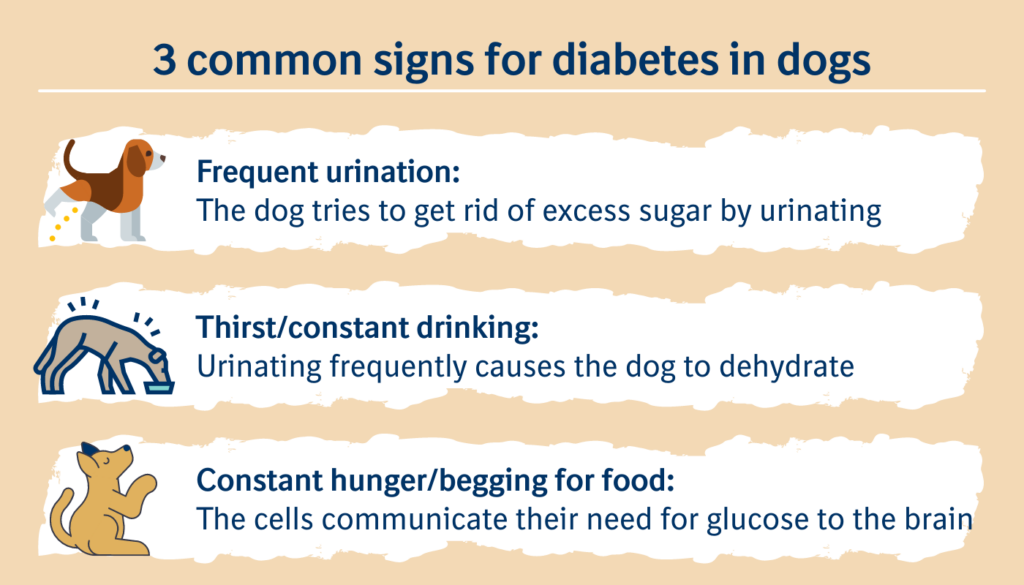
The three most common signs of diabetes in dogs are:
- Weight loss: Despite eating normally, dogs with diabetes may lose weight due to increased urination and decreased appetite.
- Increased thirst: As blood sugar levels rise, dogs may drink more water to compensate for the excess glucose in their system.
- Lethargy: Dogs with diabetes often appear lethargic or listless due to the high blood sugar levels affecting their energy levels.
Other Signs and Symptoms
In addition to the above symptoms, other signs of diabetes in dogs can include:
- Increased urination (polyuria)
- Cloudy or foul-smelling urine
- Bad breath
- Redness or discharge from the eyes
- Cataracts
Diagnosing Diabetes in Dogs
To confirm a diagnosis of diabetes, your veterinarian will perform the following tests:
- Blood glucose testing: Measures the level of glucose in your dog’s blood.
- Urinalysis: Checks for ketones and other signs of diabetic complications.
- Pancreatic function tests: Assesses the pancreas’s ability to produce insulin.
- Chest X-ray or imaging studies: May be ordered to rule out other conditions that could be causing the symptoms.
Treatment Options
While there is no cure for diabetes, treatment can help manage symptoms and prevent long-term complications. Common treatment options include:
- Insulin therapy: Administering insulin via injections or an insulin pump to regulate blood sugar levels.
- Dietary changes: A balanced diet with a low-carbohydrate content can help manage blood sugar levels.
- Exercise management: Regular exercise, such as short walks and playtime, can help maintain weight and improve overall health.
Types of Insulin Therapy
There are several types of insulin therapy that your veterinarian may recommend:
- Short-acting insulin: Typically used for dogs with mild diabetes or those who require frequent blood glucose checks.
- Intermediate-acting insulin: Suitable for dogs with moderate to severe diabetes, as it provides a longer-lasting effect than short-acting insulin.
- Long-acting insulin: Used for dogs with very high blood sugar levels or those who are overweight and require more insulin.
Managing Complications
Diabetes in dogs can lead to several complications if left untreated or poorly managed. Some common issues include:
- Cataracts: Clouding of the lens in the eye due to high blood sugar levels.
- Kidney damage: Prolonged exposure to high glucose levels can damage kidney function.
- Neuropathy: Nerve damage caused by high blood sugar levels, leading to numbness or tingling sensations.
- Foot problems: Increased risk of foot infections and ulcers due to nerve damage.
Preventing Complications
While some complications cannot be prevented entirely, there are steps you can take to reduce the risk:
- Regular veterinary check-ups: Schedule regular appointments with your veterinarian to monitor blood sugar levels and adjust treatment plans as needed.
- Dietary changes: Make adjustments to your dog’s diet to help manage blood sugar levels and prevent complications.
- Exercise management: Provide regular exercise, such as short walks and playtime, to maintain weight and improve overall health.
Conclusion
Diabetes is a common condition in dogs, but with proper care and attention, many dogs can lead happy and healthy lives. By recognizing the symptoms of diabetes, working closely with your veterinarian, and implementing effective treatment plans, you can help manage this condition and prevent long-term complications.
Frequently Asked Questions (FAQs)
- Q: How is diabetes diagnosed in dogs?
A: Diabetes is typically diagnosed through a combination of blood glucose testing, urinalysis, and pancreatic function tests. - Q: What are the symptoms of diabetes in dogs?
A: The three most common signs of diabetes in dogs are weight loss, increased thirst, and lethargy. - Q: Can diabetes be cured in dogs?
A: While there is no cure for diabetes, treatment can help manage symptoms and prevent long-term complications. - Q: How often do I need to check my dog’s blood sugar levels?
A: The frequency of blood sugar checks will depend on your veterinarian’s recommendations and the severity of your dog’s condition. - Q: Can dogs with diabetes lead normal lives?
A: Yes, many dogs with diabetes can lead happy and healthy lives with proper treatment and care. - Q: What are the common complications of diabetes in dogs?
A: Common complications include cataracts, kidney damage, neuropathy, and foot problems. - Q: Can I prevent my dog from developing diabetes?
A: While there is no guaranteed way to prevent diabetes, maintaining a healthy weight, providing regular exercise, and feeding a balanced diet can help reduce the risk of developing this condition. - Q: How do I manage my dog’s insulin therapy?
A: Your veterinarian will provide guidance on administering insulin therapy, including the correct dosages and administration methods.
Additional Tips for Managing Diabetes in Dogs
- Keep a food diary: Track your dog’s eating habits and any changes to their diet.
- Monitor water intake: Ensure your dog is drinking enough water to compensate for increased urination.
- Watch for signs of hypoglycemia: Be aware of symptoms such as shakiness, tremors, and seizures, which can occur when blood sugar levels drop too low.
- Provide regular veterinary check-ups: Schedule regular appointments with your veterinarian to monitor blood sugar levels and adjust treatment plans as needed.
By following these tips and working closely with your veterinarian, you can help manage diabetes in dogs and ensure they lead happy and healthy lives.



