
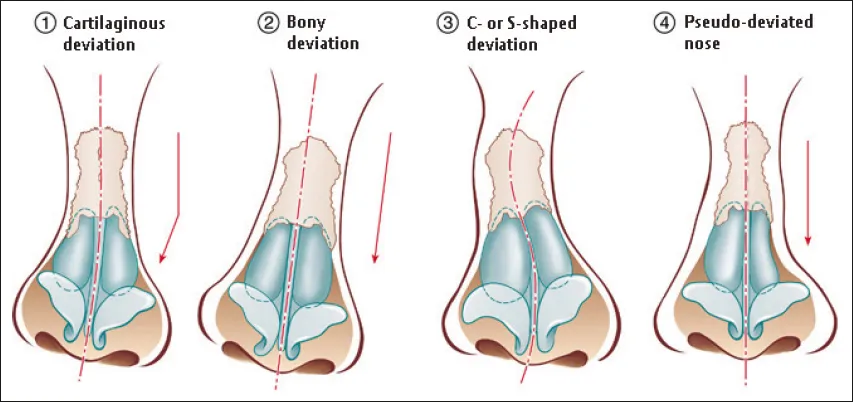
Understanding Nasal Piramides: A Guide to Nasal Deviations and Reconstruction
As we navigate through life, our faces undergo various changes, from birth to adulthood. One such change is the shape of our nose, which can sometimes lead to nasal deviations or piramides. In this article, we’ll delve into the world of nasal anatomy, explore the causes and consequences of nasal deviations, and discuss the treatment options available.
What is a Nasal Piramide?
A nasal piramide refers to the structure of the nose, specifically the area above the nostrils. It’s an anatomical term that describes the shape of the nose as a pyramid-like formation, with the base being the root of the nose and the apex (or tip) being the pointed end. The nasal piramide is composed of several areas, including the radix, bridge, and ala nasali.
Causes of Nasal Deviations
Nasal deviations can occur due to various reasons, such as genetics, trauma, or developmental issues. Some people may be born with a deviated septum, while others may experience nasal deviations after an injury or during childhood development. In some cases, the deviation can lead to breathing difficulties, nasal congestion, and aesthetic concerns.
Types of Nasal Deviations
There are two main types of nasal deviations: congenital and acquired. Congenital deviations occur at birth, while acquired deviations develop over time due to various factors such as genetics, environment, or trauma. Some common causes of acquired nasal deviations include:
• Inheritance: Genetic factors can contribute to the development of a deviated septum.
• Trauma: Injuries to the nose, such as a blow to the face or a fall, can cause nasal deviations.
• Developmental issues: Conditions like cleft palate or other craniofacial abnormalities can lead to nasal deviations.
Consequences of Nasal Deviations
Nasal deviations can have both aesthetic and functional consequences. Some common effects include:
- Aesthetic concerns: Nasal deviations can affect the overall appearance of the face, making it appear unbalanced or asymmetrical.
- Breathing difficulties: Nasal deviations can narrow the nasal passages, leading to breathing problems, particularly during exercise or in cold weather.
- Nasal congestion: Deviated septums can cause chronic nasal congestion, leading to discomfort and decreased quality of life.
Treatment Options for Nasal Deviations
Fortunately, there are several treatment options available for nasal deviations. The choice of treatment depends on the severity of the deviation, as well as individual factors such as age, health status, and desired outcome. Some common treatments include:
- Surgery: Rhinoplasty (or septoplasty) is a surgical procedure that aims to realign the nasal structure and improve breathing.
- Nasal strips: Adhesive strips can be applied to the nose to help straighten the nasal passages.
- Corticosteroids: Inhalers or nasal sprays containing corticosteroids can help reduce inflammation and swelling.
Rhinoplasty: A Comprehensive Guide
Rhinoplasty, also known as a nose job, is a surgical procedure that aims to reshape the nose. There are two main types of rhinoplasty:
- Septoplasty: This type of surgery focuses on realigning the nasal septum (the partition between the nostrils).
- Rhinoplasty: This type of surgery involves reshaping the entire nose, including the bridge, tip, and nostrils.
Recovery from Rhinoplasty
Recovery from rhinoplasty typically takes several weeks to months. During this time, patients may experience swelling, bruising, and discomfort. It’s essential to follow post-operative instructions carefully to ensure a smooth recovery.
Conclusion
Nasal deviations can affect both the aesthetic and functional aspects of our lives. Understanding the causes, consequences, and treatment options available is crucial in addressing these issues. By exploring the world of nasal anatomy and discussing treatment options with a qualified healthcare professional, we can take the first step towards achieving a healthier, happier nose.
FAQs
- What are the most common causes of nasal deviations?
- Genetics
- Trauma
- Developmental issues
- Can nasal deviations be treated with surgery?
- Yes, rhinoplasty (or septoplasty) is a surgical procedure that aims to realign the nasal structure and improve breathing.
- What are the benefits of rhinoplasty?
- Improved breathing
- Enhanced appearance
- Increased self-confidence
- How long does recovery from rhinoplasty take?
- Several weeks to months
- Can nasal deviations be treated with non-surgical methods?
- Yes, adhesive strips and corticosteroids can help alleviate symptoms.
- Is rhinoplasty right for me?
- Consult a qualified healthcare professional to determine if rhinoplasty is the best option for you.
Additional Resources
- American Academy of Otolaryngology – Head and Neck Surgery
- The Rhinoplasty Society
- National Institute of Dental and Craniofacial Research
By understanding nasal anatomy, exploring treatment options, and discussing individual needs with a healthcare professional, we can take the first step towards achieving a healthier, happier nose.


