
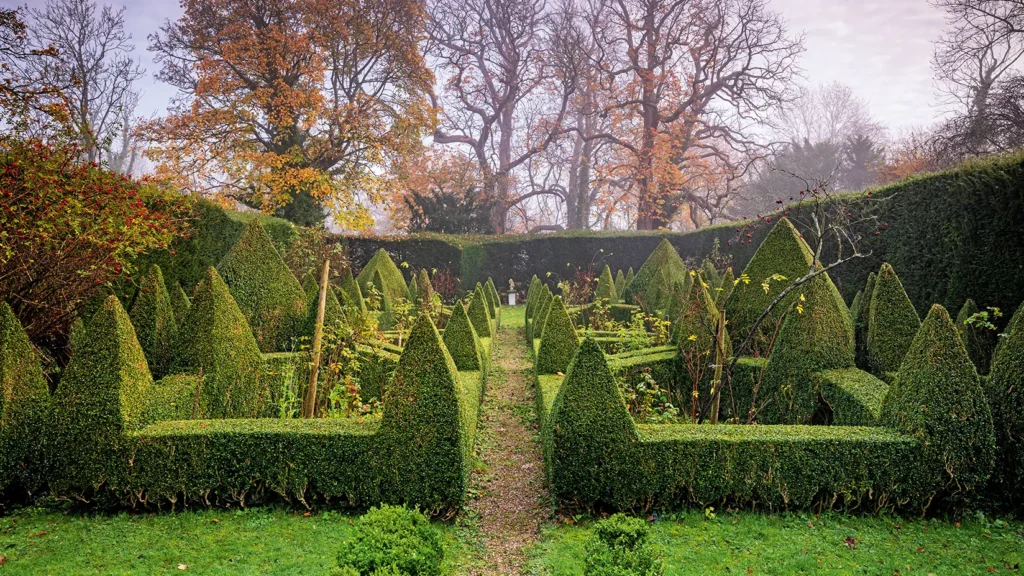
Designing a Fence: Useful Tips
Designing a fence is not a simple task. Before installing it, you need to make the necessary assessments and surveys. When it comes to locating where to plant the fence, often the entire property boundary is chosen; however, in certain cases, the fence may only visually define specific areas, enclose the garden or separate relaxation areas from cultivated fields.
Understanding Fence Design Requirements
Before starting your fence design project, it’s essential to understand the requirements and considerations involved. A well-designed fence should not only serve its purpose but also enhance the aesthetic appeal of your property. Here are some key factors to consider:
- Purpose: Define the primary function of your fence. Is it to mark boundaries, provide privacy, or create a barrier between different areas?
- Soil and Climate: Consider the soil type, climate conditions, and local weather patterns that may affect plant growth and durability.
- Budget: Determine how much you’re willing to spend on materials, labor, and potential maintenance costs.
- Property Size and Shape: Assess your property’s size and shape to determine the optimal fence design and layout.
Choosing the Right Fence Species
Once the cultivation line has been identified, it’s essential to choose the right species for your fence. The ideal species should be suitable for both the soil structure and the local climate conditions. Additionally, consider the function that the fence will serve (merely a divider, to increase privacy, or to host biodiversity…), which will help you determine whether you need shrub-like plants or arboreal vegetation.
Key Considerations for Choosing Fence Plants
When selecting plants for your fence, keep in mind the following factors:
- Native Species: Choose plants native to your region, as they are more likely to be resistant to local pests and diseases.
- Climate Hardiness: Select plants that can thrive in your local climate conditions, including temperature extremes and rainfall patterns.
- Soil Type: Ensure the plant is adapted to your soil type, whether it’s sandy, clay, or loamy.
- Growth Habit: Consider the mature size of the plant and its growth habit to ensure it won’t overgrow or obstruct paths.
Types of Fences
There are various types of fences to choose from, each with its own unique characteristics and benefits:
- Wooden Fences: Made from natural wood, these fences are durable and can be stained or painted for a rustic look.
- Vinyl Fences: Made from synthetic materials, vinyl fences are low-maintenance and resistant to rot, decay, and insect damage.
- Metal Fences: Durable and long-lasting, metal fences come in various styles, including ornamental and decorative designs.
- Composite Fences: A blend of wood and plastic materials, composite fences offer durability and resistance to weathering.
Designing a Fence for Maximum Effectiveness
When designing your fence, consider the following tips:
- Use a Variety of Plant Species: Incorporate multiple plant species to create a diverse and resilient ecosystem.
- Incorporate Visual Interest: Add decorative elements, such as trellises or arbors, to enhance the aesthetic appeal of your fence.
- Consider Wildlife Habitat: Design your fence to provide a habitat for local wildlife, including birds, bees, and butterflies.
Common Mistakes to Avoid
When designing a fence, avoid the following common mistakes:
- Underestimating Plant Growth: Don’t assume plants will grow smaller than their mature size; factor in potential growth to ensure a successful installation.
- Ignoring Local Regulations: Familiarize yourself with local regulations and restrictions on fence types, sizes, and materials.
- Not Considering Maintenance: Plan for regular maintenance and upkeep to ensure your fence remains functional and aesthetically pleasing.
Useful Resources for Fence Design
If you’re new to fence design or need guidance on selecting the right plants or materials, consider consulting the following resources:
- Fence Plant Options and Guidance: Utilize online forums, blogs, and websites dedicated to fence design and plant selection.
- How to Grow a Fence: Read articles and guides on gardening and horticulture to learn more about plant care and maintenance.
- Fence Design Apps: Download mobile apps that provide tools for designing and visualizing your fence, including plant placement and layout suggestions.
Conclusion
Designing a fence is a complex process that requires careful consideration of multiple factors. By understanding the requirements and considerations involved, choosing the right fence species, and avoiding common mistakes, you can create a functional and aesthetically pleasing fence that enhances your property’s value and appeal. Remember to consult with professionals if needed, and don’t hesitate to seek guidance from online resources or gardening experts.


