
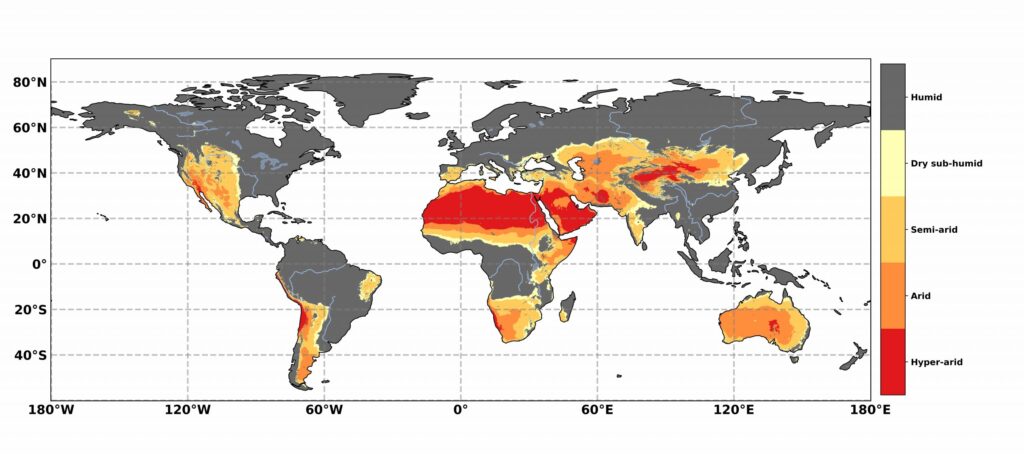
Desertification is a growing concern globally, affecting millions of people, and causing irreparable damage to the environment. On this World Day Against Desertification, it’s essential to understand what desertification is, its causes, consequences, and ways to combat it.
1. The Importance of Understanding Desertification
Desertification is a complex issue that requires a comprehensive understanding of its causes, consequences, and solutions. By grasping the severity of this problem, we can take collective action to prevent or reverse desertification. This understanding will also help us appreciate the interconnectedness of human activities, climate change, and natural factors.
2. Defining Desertification
Desertification is defined as the degradation of land in arid, semi-arid, or sub-humid areas due to various human activities, climate change, and natural factors. This process leads to the loss of biodiversity, soil erosion, and water scarcity, ultimately transforming natural habitats into deserts.
3. The Causes of Desertification
Human activities are the primary cause of desertification, including:
- Overgrazing and livestock farming: Overgrazing can lead to soil degradation, reduced vegetation cover, and increased risk of droughts.
- Deforestation and land conversion for agriculture or urbanization: Widespread deforestation and land conversion for agricultural purposes or urban development contribute significantly to desertification.
- Irrigation and water over-extraction: Unsustainable irrigation practices and excessive water extraction can lead to soil salinization, reduced groundwater levels, and increased evaporation.
- Industrial activities and pollution: Industrial activities such as mining, drilling, and manufacturing processes release pollutants that damage the environment, disrupt ecosystems, and contribute to desertification.
- Urbanization and infrastructure development: The expansion of cities and infrastructure projects often leads to deforestation, soil erosion, and habitat destruction.
Natural factors also contribute to desertification, such as:
- Climate change: Rising temperatures, changing precipitation patterns, and increased frequency of extreme weather events exacerbate the effects of desertification.
- Droughts: Prolonged droughts can lead to soil degradation, reduced vegetation cover, and increased risk of desertification.
- Soil degradation: Soil erosion, salinization, and nutrient depletion are common consequences of overgrazing, deforestation, and intensive agricultural practices.
4. The Consequences of Desertification
Desertification has severe consequences, including:
- Loss of fertile land and reduced agricultural productivity: Desertification leads to reduced crop yields, decreased food security, and economic hardship for communities.
- Water scarcity and decreased access to clean water: Reduced rainfall, increased evaporation, and groundwater depletion lead to water scarcity and decreased access to clean drinking water.
- Increased risk of droughts and heatwaves: Desertification increases the likelihood of severe droughts and heatwaves, which can have devastating impacts on human health, economies, and ecosystems.
- Displacement of communities and loss of livelihoods: As desertification progresses, communities are often forced to migrate or abandon their traditional ways of life, leading to economic hardship and social disruption.
- Reduced biodiversity and ecosystem services: Desertification leads to the loss of unique plant and animal species, reduced pollination services, and decreased carbon sequestration capabilities.
5. Desertification in Italy
Italy is not immune to desertification, with areas like Sicily, Puglia, Molise, Basilicata, Sardinia, Marche, Emilia-Romagna, Umbria, Abruzzo, and Campania facing high risk levels. The Italian government has implemented various measures to address desertification, including:
- Agroforestry initiatives: Promoting agroforestry practices to reduce soil erosion, increase biodiversity, and promote sustainable land use.
- Soil conservation techniques: Implementing conservation agriculture practices, such as reduced tillage and cover cropping, to improve soil health and reduce erosion.
- Community engagement: Engaging local communities in desertification prevention efforts through education and outreach programs.
6. Desertification Globally
Desertification affects over 100 countries, with the majority of affected areas located in Africa. Asia, Oceania, and South America are also experiencing desertification, while Europe and North America are less affected.
Africa is the most severely impacted continent by desertification, with two-thirds of its land area considered at high risk. Countries like Burkina Faso, Mali, and Niger are among the most vulnerable to desertification due to climate change, overgrazing, and land degradation.
7. The African Continent: Most Affected
Africa’s unique combination of climate, geography, and human activities creates an environment conducive to desertification. Factors such as:
- Climate change: Rising temperatures and changing precipitation patterns exacerbate the effects of desertification.
- Overgrazing: Overgrazing by livestock can lead to soil degradation, reduced vegetation cover, and increased risk of desertification.
- Land degradation: Intensive agricultural practices, deforestation, and urbanization contribute significantly to land degradation and desertification.
8. Combating Desertification: The Story of Yacouba Sawadogo
Meet Yacouba Sawadogo, a Burkinabé farmer who has dedicated his life to combating desertification in the Sahel region. Through innovative agricultural practices and traditional methods, he has created an oasis that not only supports local communities but also provides a model for sustainable land management.
Yacouba’s journey began when he realized the devastating impact of desertification on his community. He noticed how soil degradation, reduced vegetation cover, and decreased rainfall were affecting crop yields and food security. Determined to make a difference, Yacouba embarked on a mission to develop innovative agricultural practices that could help his community thrive in the face of climate change.
Through experimentation and trial-and-error, Yacouba discovered that agroforestry and permaculture can be effective tools for combating desertification. By integrating trees into farming systems, he was able to:
- Improve soil health: Tree roots helped stabilize soil, reduce erosion, and increase nutrient availability.
- Increase biodiversity: Agroforestry practices promoted the growth of diverse plant species, which in turn supported local wildlife.
- Enhance water cycles: Tree cover improved precipitation retention, reduced evaporation, and increased groundwater recharge.
9. What is Desertification?
Desertification is a complex process involving climate change, human activities, and natural factors. It leads to the degradation of ecosystems, loss of biodiversity, and soil erosion, ultimately transforming natural habitats into deserts.
10. The Global Impact of Desertification
The global impact of desertification is far-reaching, affecting not only the environment but also human health, economies, and social stability. Understanding the causes, consequences, and solutions to desertification is crucial for mitigating its effects.
Desertification has significant implications for:
- Food security: Reduced crop yields, decreased food availability, and economic hardship can lead to food insecurity.
- Human health: Desertification increases the risk of water-borne diseases, malnutrition, and heat-related illnesses.
- Economic stability: Desertification can lead to loss of livelihoods, reduced economic growth, and increased poverty.
11. Addressing Climate Change
Addressing climate change is essential in preventing or reversing desertification. Reducing greenhouse gas emissions, promoting sustainable land use practices, and supporting climate-resilient agriculture can help mitigate the worst impacts of desertification.
To address climate change:
- Reduce energy consumption: Transition to renewable energy sources, increase energy efficiency, and promote electrification.
- Promote sustainable land use: Implement agroforestry, conservation agriculture, and integrated pest management practices to reduce soil degradation and improve ecosystem services.
- Support climate-resilient agriculture: Develop climate-resilient crop varieties, implement drought-tolerant irrigation systems, and promote climate-smart agriculture.
12. Sustainable Land Management Practices
Implementing sustainable land management practices can help prevent or reverse desertification. These include:
- Agroforestry and permaculture: Promote agroforestry and permaculture practices to improve soil health, increase biodiversity, and enhance water cycles.
- Conservation agriculture: Implement conservation agriculture practices such as reduced tillage, cover cropping, and crop rotation to reduce soil erosion and improve soil fertility.
- Integrated pest management: Promote integrated pest management (IPM) practices to reduce chemical use, minimize harm to non-target species, and promote ecosystem services.
13. Community Engagement and Education
Community engagement and education are crucial in combating desertification. Raising awareness about the causes, consequences, and solutions to desertification can empower local communities to take action.
To engage communities:
- Educate farmers: Provide training on sustainable land management practices, climate-resilient agriculture, and agroforestry.
- Promote community involvement: Engage local communities in decision-making processes, encourage participation in conservation efforts, and promote community-led initiatives.
- Support policy changes: Advocate for policy changes that support desertification prevention and mitigation efforts.
14. Policy Changes
Policy changes are essential to address desertification effectively. Governments must:
- Develop national policies: Establish national policies and strategies to prevent and mitigate desertification.
- Provide financial incentives: Offer financial incentives, subsidies, and grants to promote sustainable land management practices and climate-resilient agriculture.
- Support research and development: Encourage research and development of new technologies and practices that can help combat desertification.
15. Conclusion
Desertification is a pressing global issue with far-reaching consequences for human health, economies, and ecosystems. To address desertification effectively, we must:
- Address climate change: Reduce greenhouse gas emissions, promote sustainable land use practices, and support climate-resilient agriculture.
- Implement sustainable land management practices: Promote agroforestry, conservation agriculture, and integrated pest management practices to reduce soil degradation and improve ecosystem services.
- Engage communities: Educate farmers, promote community involvement, and advocate for policy changes that support desertification prevention and mitigation efforts.
Together, we can combat desertification and create a more sustainable future for all.


