
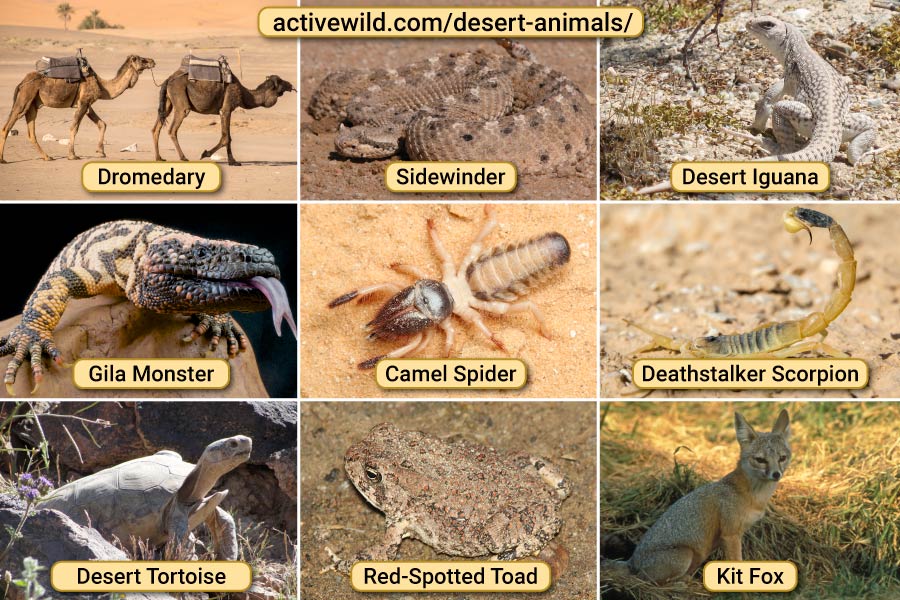
As we often associate deserts with human absence, it’s easy to overlook the thriving populations of animals that call these arid zones home. From the majestic camel to the agile antelope, desert animals have evolved unique characteristics to survive and thrive in some of the harshest environments on Earth.
In this article, we’ll delve into the fascinating world of desert animals, exploring ten representative species that have adapted to the extreme conditions of these ecosystems. We’ll examine their remarkable strategies for conserving energy, finding food, and protecting themselves from predators, as well as provide an overview of their habitats, behaviors, and interesting facts.
What Makes Desert Animals Unique?
Desert animals have adapted to extreme conditions such as scorching temperatures, limited water sources, and sparse vegetation. To cope with these challenges, they’ve developed remarkable strategies that enable them to survive and thrive in desert environments.
Some common characteristics of desert animals include:
- Water conservation: Many desert animals have evolved unique mechanisms to conserve water, such as storing it in their bodies, metabolizing fat for energy, or producing highly concentrated urine.
- Energy-efficient locomotion: Desert animals often use specialized gait patterns, like the camel’s “gait of suspension,” to reduce energy expenditure while traversing sandy dunes.
- Specialized diets: Desert animals have adapted to feed on scarce food sources, such as insects, plants, or small vertebrates, which provide essential nutrients for survival.
- Camouflage and mimicry: Many desert animals have evolved coloration, patterns, or behaviors that help them blend in with their surroundings, making it harder for predators to spot them.
1. Desert Animals: Antelope
Antelopes are agile and fast animals that roam the rocky deserts of North Africa and Asia. With weights ranging up to 120 kg for every meter of height, these mammals have adapted to conserve energy during the hottest parts of the day. They move primarily at dawn and dusk, using their peculiar curved horns as a defense mechanism.
2. Desert Animals: Vulture
Vultures may not be the most pleasant animals to encounter, but they play a vital role in desert ecosystems. These scavenging birds feed on eggs, newborn animals, and carrion, helping to maintain the balance of nature. With excellent vision, vultures can spot their prey even amidst rocky terrain.
3. Desert Animals: Camel
The camel is an iconic symbol of deserts worldwide. Native to arid zones in Asia and Africa, these artiodactyl mammals have developed a remarkable mechanism to survive without food and water. By accumulating fat in their humps, camels can cross areas with no shade or food sources.
4. Desert Animals: Road Runner
Contrary to its name, the road runner is a bird that prefers to stay on its feet rather than flying. This volatile lives in coastal desert plains between Mexico and the United States, feeding on small reptiles, insects, and even plants. Its unique tail serves as a “steering wheel” during sharp turns.
5. Desert Animals: Coyote
Coyotes are carnivorous mammals that thrive in desert environments. With their name meaning “dog that howls,” these canines have adapted to survive without water, scavenging for food and shelter in areas with scarce vegetation.
6. Desert Animals: Dingo
The dingo is an animal halfway between a dog and a wolf, living in packs and territory-marking with its presence. Native to Australia, this wild dog has developed a coat that blends into the desert landscape, allowing it to hunt and protect its territory effectively.
7. Desert Animals: Pheasant
Believe it or not, pheasants inhabit the Atacama Desert in South America. These social birds feed on grasshoppers, crabs, insects, and build mud nests to protect their eggs. Their unique coloration is linked to their diet, accumulating pigments from algae that thrive in saltwater environments.
8. Desert Animals: Dorcas Gazelle
The dorcas gazelle is a smaller cousin of the camel, living in the Sahara Desert in North Africa. With its wide ears and curved horns, this artiodactyl mammal has adapted to conserve energy during long periods without drinking water. Its brownish coat blends into desert landscapes.
9. Desert Animals: Guanaco
The guanaco is a social mammal that roams the deserts of South America, feeding on small plants and shrubs. With its fragile physical structure and double coat, this camelid has developed a remarkable ability to adapt to desert environments.
10. Desert Animals: Red-necked Ostrich
Native to North Africa, the red-necked ostrich is one of the fastest and most muscular birds in the world. Its reddish-brown coloration helps it blend into desert landscapes, while its exceptional resistance enables it to survive without water for days at a time.
Conclusion
Desert animals have evolved extraordinary strategies to thrive in some of the harshest environments on Earth. From camel camels to road runners, each species has developed unique characteristics that enable them to conserve energy, find food, and protect themselves from predators.
By exploring these fascinating desert animal species, we can gain a deeper appreciation for the resilience and adaptability of life in arid zones.
Frequently Asked Questions
- What are some common characteristics of desert animals?
Desert animals have adapted to extreme conditions such as limited water sources, sparse vegetation, and scorching temperatures. - How do camels survive without food and water?
Camels accumulate fat in their humps, which serves as a storage mechanism for energy during periods of scarcity. - What is the role of vultures in desert ecosystems?
Vultures play a vital role in maintaining balance by scavenging eggs, newborn animals, and carrion, helping to regulate populations. - Can coyotes survive without water?
Yes, coyotes have adapted to survive without water, scavenging for food and shelter in areas with scarce vegetation. - How do pheasants adapt to their desert habitat?
Pheasants’ coloration is linked to their diet, accumulating pigments from algae that thrive in saltwater environments. - What is unique about the dorcas gazelle’s coat?
The dorcas gazelle’s brownish coat blends into desert landscapes, while its wide ears and curved horns serve as a defense mechanism. - Can guanacos survive without water for long periods?
Yes, guanacos have developed an ability to adapt to desert environments, conserving energy and finding food sources during periods of scarcity.
Additional Resources
- National Geographic: “Desert Animals”
- BBC Earth: “Deserts Around the World”
- Animal Planet: “Desert Animals”
Stay up-to-date with the latest research and discoveries about desert animals by following reputable sources like these.


