
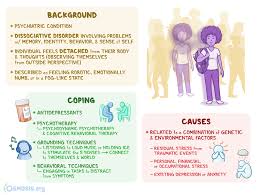
Depersonalization, a term often associated with sci-fi horror films, is a real psychological phenomenon that affects millions of people worldwide. It’s the feeling of being detached from one’s body or mental processes, as if observing oneself like an outsider. Imagine being a director with a camera, filming your life without being part of it.
What is Depersonalization?
In simple terms, depersonalization refers to the loss of sense of self, where individuals feel disconnected from their own thoughts, emotions, and experiences. It can occur after a significant stressful event and is considered a dissociative disorder. The condition can be challenging to diagnose, as those affected may struggle to define their symptoms and describe their emotions.
Depersonalization is often described as feeling like being in a movie or a dream, where the self is observing from outside. This detachment can manifest in various ways, such as:
- Feeling like an outsider looking in
- Difficulty connecting with emotions or memories
- Feeling disconnected from one’s body or physical sensations
- Experiencing a sense of detachment from life events
A Key Difference: Self-Awareness
One crucial distinction between depersonalization and psychotic disorders is the level of self-awareness. Those experiencing depersonalization are typically aware that they’re detached from their experiences and don’t believe these feelings are real. This self-awareness is essential for distinguishing depersonalization from other conditions.
Recognizing Depersonalization Symptoms
The most common symptom is feeling disconnected from one’s body and surroundings, similar to observing a movie or book where characters seem distant. Other symptoms may include:
- Feeling like an observer rather than an active participant in life
- Difficulty recalling memories or emotions
- Sensory distortions (e.g., feeling numbness, tingling, or pain)
- Feeling disconnected from others or having trouble forming meaningful relationships
The Complexity of Depersonalization
Depersonalization is a multifaceted condition, and its effects vary from person to person. Factors like age, mental health, life experiences, and environmental influences can contribute to the development of this disorder.
Research suggests that depersonalization may be linked to:
- Neurotransmitter imbalances (e.g., serotonin and dopamine)
- Stressful life events or trauma
- Anxiety disorders (e.g., generalized anxiety, social anxiety)
- Substance abuse (e.g., marijuana, ketamine)
- Sleep deprivation
Breaking Free: Healing Strategies
While depersonalization can’t be cured independently, seeking professional help from experts is essential. Some effective strategies include:
- Cognitive defusion: A technique that helps individuals detach from their thoughts and emotions.
- Mindfulness techniques: Practices like meditation and deep breathing can enhance immediate awareness of experiences.
- Dialectical behavior therapy (DBT): A type of therapy that focuses on accepting life’s complexities and developing coping skills.
- Traditional cognitive-behavioral therapy (CBT) and pharmacological interventions: May be used to address related conditions like anxiety disorders.
Finding Hope in Literature
While books alone can’t cure depersonalization, they offer valuable insights and coping strategies. Some recommended reads include:
- “The Life is a Dream” by Miguel de Cervantes
- “The Bell Jar” by Sylvia Plath (explores themes of dissociation and mental health)
- “Prozac Nation” by Elizabeth Wurtzel (offers a personal account of living with depression)
Conclusion
Depersonalization is a complex condition that requires understanding, self-awareness, and professional help. By exploring the causes, symptoms, and healing strategies, individuals can take the first steps towards recovery and reclaim their sense of self. Remember, you’re not alone in this journey.
Frequently Asked Questions:
- What is depersonalization?
Depersonalization is a psychological phenomenon where individuals feel detached from their body or mental processes. - Is depersonalization a sign of insanity?
No, it’s distinct from psychotic disorders and typically involves self-awareness that the feelings are not real. - Can depersonalization be caused by stress?
Yes, significant stressful events can trigger depersonalization symptoms. - How is depersonalization treated?
Seeking professional help from experts and using strategies like cognitive defusion, mindfulness, and DBT can aid in recovery. - Is depersonalization a permanent condition?
With proper treatment and self-awareness, individuals can learn to manage and recover from depersonalization. - Can I cure myself of depersonalization?
While some coping strategies can help, professional guidance is essential for effective treatment. - How common is depersonalization?
It’s a relatively rare condition, but affects millions of people worldwide. - Is there hope for recovery from depersonalization?
Yes, with the right approach and support, individuals can regain their sense of self and live a fulfilling life.
Get in Touch
Stay up-to-date on mental health topics and connect with me on Twitter, Facebook, Google+, Pinterest, or wherever you’d like to follow.


