
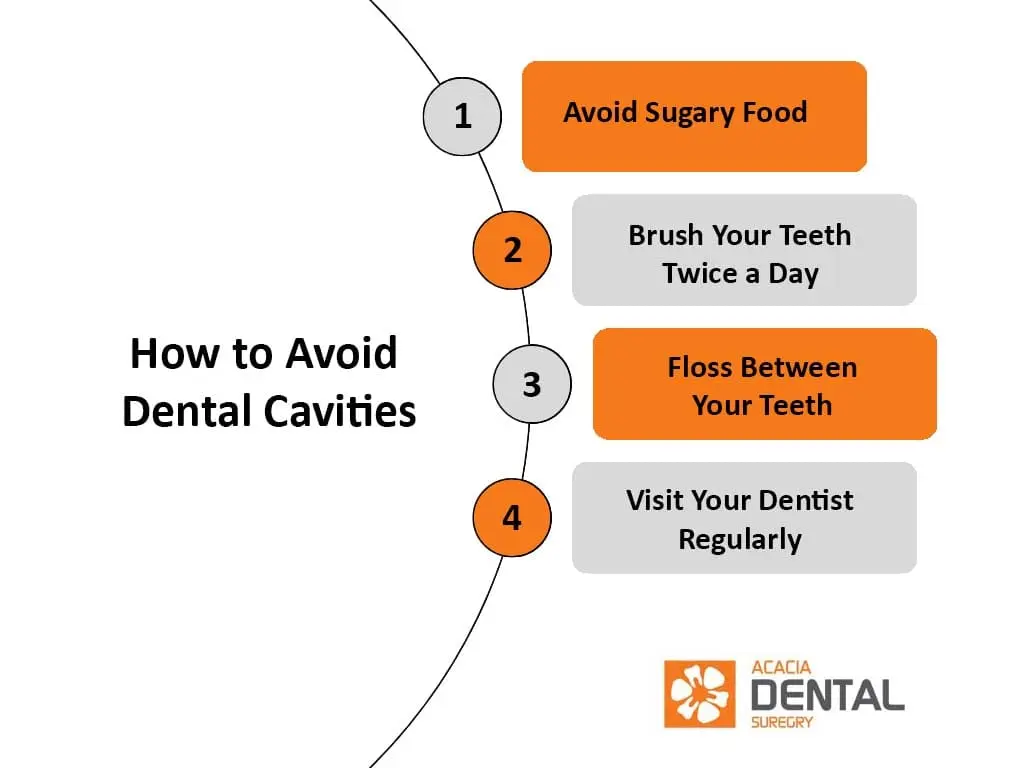
Dental caries, also known as tooth decay, is a common problem that affects millions of people worldwide. According to the National Institute of Dental and Craniofacial Research (NIDCR), approximately 26% of adults between the ages of 20 and 64 who have undergone dental treatments for caries may experience recurrences or worsening symptoms due to prolonged bad habits. This highlights the importance of adopting natural remedies to prevent and manage dental caries.
Understanding Dental Caries
Dental caries is a bacterial infection that causes demineralization of tooth enamel, leading to cavities and potentially serious health issues if left untreated. The development of caries can be slowed down or arrested by maintaining good oral hygiene habits and using natural remedies.
Dental caries is caused by the presence of bacteria in the mouth, which feed on carbohydrates and produce acid that damages tooth enamel. If left untreated, dental caries can lead to more serious health issues such as:
- Tooth loss
- Gum disease
- Abscesses
- Infections
Causes of Dental Caries
There are several factors that contribute to the development of dental caries, including:
- Poor oral hygiene habits
- Consuming sugary foods and drinks
- Lack of fluoride in drinking water
- Genetics
- Medical conditions such as diabetes or dry mouth
- Certain medications such as antibiotics
Natural Remedies for Dental Caries
-
Avoid Refined Sugars
Refined sugars are the best friends of plaque. Avoid consuming sugary foods and drinks like chocolate, Nutella, caramels, and colas, which can easily get stuck in your teeth and be difficult to clean off. -
Drink Green Tea and Black Tea
Green tea and black tea have been shown to reduce the accumulation of plaque and contribute to the breakdown of bacteria present in the mouth. -
Brush Your Teeth Before Breakfast
Many people brush their teeth only after breakfast, but it’s essential to do so first thing in the morning when your mouth is most active. Brushing your teeth before breakfast helps protect them from acid attacks. -
Brush After Meals
After eating, wait for 60 minutes before brushing your teeth again. If you’ve consumed only liquids or acidic drinks like orange juice, soda, or coffee, brush your teeth after 20 minutes. -
Masticate Sugar-Free Gum
Chewing sugar-free gum stimulates saliva production, which helps keep your teeth clean and removes food particles trapped between your teeth. -
Xylitol
Xylitol is a natural sweetener that prevents the growth of bacteria in the mouth. Choose products like chewing gum, toothpaste, or lozenges containing xylitol. -
Healthy Diet for Dental Health
Some foods can help prevent dental caries by stimulating saliva production and protecting your teeth naturally. Include fiber-rich fruits and vegetables in your diet, as well as nuts and apples to combat caries. -
Licorice Root and Micronutrients
Research has shown that licorice root has antibacterial properties that can eliminate bacteria causing gum diseases and dental caries. Additionally, ensure you’re getting the right amount of vitamins A, D, E, and K, as well as minerals like calcium, phosphorus, and magnesium, to support overall oral health. -
Tea Tree Oil
Tea tree oil has potent antibacterial properties that can help combat bacteria causing dental caries. Mix a few drops of tea tree oil with water and swish it around your mouth throughout the day. -
Interdental Floss
Using interdental floss is crucial in preventing caries, tartar buildup, bad breath, and other oral health issues. Watch our video guide on how to use interdental floss properly and consult with your dentist for personalized advice. -
Oil Pulling with Coconut Oil or Sesame Oil
Swish coconut oil or sesame oil around your mouth before brushing your teeth. This can help reduce bacteria in the mouth and freshen breath. -
Avoid Fluoride-Free Toothpaste
If you’re looking to avoid fluoride, choose a toothpaste that contains xylitol or essential oils like tea tree oil instead of fluoride.
Frequently Asked Questions (FAQs)
-
Q: What is the best way to prevent dental caries?
A: Maintaining good oral hygiene habits and using natural remedies like those mentioned in this article can help prevent dental caries. -
Q: Can I use regular toothpaste if I’m trying to avoid refined sugars?
A: Yes, you can still use regular toothpaste, but make sure to choose a sugar-free option or one that contains xylitol to support your oral health goals. -
Q: How often should I brush my teeth?
A: Brush your teeth at least twice a day, in the morning and before bedtime, using fluoride toothpaste and a soft-bristled toothbrush. -
Q: Can I use interdental floss if I have sensitive teeth?
A: If you’re unsure about using interdental floss due to sensitive teeth, consult with your dentist for personalized advice. -
Q: Are natural remedies effective in preventing dental caries?
A: Natural remedies can be an effective complement to traditional oral care practices, but they should not replace regular dental check-ups and professional cleanings. -
Q: Can I use tea tree oil on my gums if I have sensitive teeth?
A: If you’re unsure about using tea tree oil on your gums due to sensitivity, consult with your dentist for guidance. -
Q: How long does it take to see results from using natural remedies for dental caries prevention?
A: The effectiveness of natural remedies may vary depending on individual factors, but consistent use and good oral hygiene habits can lead to noticeable improvements in oral health over time. -
Q: Can I combine natural remedies with traditional dental care practices?
A: Yes, combining natural remedies like those mentioned in this article with regular dental check-ups and professional cleanings can provide the best possible oral health outcomes. -
Q: What is the best way to maintain good oral hygiene habits?
A: Maintain good oral hygiene habits by brushing your teeth at least twice a day, flossing daily, and visiting your dentist regularly for check-ups and cleanings. -
Q: Can natural remedies help with tooth sensitivity?
A: Some natural remedies like xylitol and tea tree oil may help reduce tooth sensitivity, but consult with your dentist before trying any new oral care products or practices.
By incorporating these natural remedies into your daily routine, you can significantly reduce the risk of developing dental caries and maintain a healthy, beautiful smile. Remember to also visit your dentist regularly for check-ups and cleanings to ensure your teeth and gums remain healthy.


