
As we go about our daily lives, it’s easy to overlook one of the most essential aspects of our health: hydration. Dehydration, or the lack of water in our bodies, can have severe consequences if left unchecked. In this article, we’ll delve into the world of dehydration, exploring its symptoms, causes, types, and prevention strategies.
Dehydration Symptoms
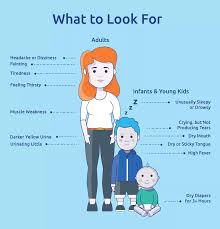
While some dehydration symptoms may be subtle, others can be quite alarming. These include:
- Thirst: A dry mouth and feeling thirsty are common signs of dehydration.
- Fatigue: Feeling weak and tired is a common symptom of dehydration.
- Dehydration can also cause:
- Dark urine: If your urine is dark yellow or amber-colored, it may be a sign that you’re not drinking enough water.
- Low blood pressure: Dehydration can lead to a decrease in blood pressure, which can cause dizziness and lightheadedness.
- Headaches: Dehydration headaches are common and can range from mild to severe.
Causes of Dehydration
Dehydration can be caused by a variety of factors, including:
- Diarrhea:
- Vomiting
- Diuretic medications
- Gastroenteritis (stomach flu)
- Fecal-oral transmission (e.g., contaminated food or water)
- Urinary tract infections (UTIs):
- Bacterial, viral, or fungal infections
- Urine leakage
- Catheterization
- Medications:
- Diuretics (water pills)
- Blood pressure medications
- Certain psychiatric medications
- Environmental factors:
- High temperatures and humidity
- Intense physical activity
Types of Dehydration
There are three main types of dehydration: isotonica, hypotonic, and hypertonic.
- Isotonic Dehydration: This type occurs when the body loses an equal amount of water and electrolytes (such as sodium). Symptoms may include:
- Fatigue
- Headaches
- Dizziness
- Hypotonic Dehydration: In this case, the body loses more water than electrolytes, leading to a decrease in blood volume. Symptoms can include:
- Muscle cramps
- Weakness
- Hypertonic Dehydration: This type is characterized by an excess of electrolytes (such as sodium) compared to water, causing the body’s fluids to become more concentrated than normal.
Rehydrating after Dehydration
After experiencing dehydration, it’s essential to replenish lost fluids and electrolytes. Here are some tips:
- Drink plenty of fluids: Water, sports drinks, or electrolyte-rich beverages can help rehydrate the body.
- Monitor urine output: If your urine is still dark yellow after a few hours, you may need more time to fully recover.
- Eat hydrating foods: Fresh fruits and vegetables can contribute to overall hydration.
Prevention Strategies
While dehydration can occur at any time, there are ways to prevent it. Here are some prevention strategies:
- Drink plenty of water: Aim for at least eight glasses of water per day.
- Monitor your urine output: If your urine is dark yellow or you’re not urinating frequently enough, drink more water.
- Eat hydrating foods: Fresh fruits and vegetables can contribute to overall hydration.
- Avoid dehydration-causing substances: Limit caffeine, sugary drinks, and medications that can cause dehydration.
Managing Dehydration in Different Situations
Dehydration can occur in various situations. Here are some ways to manage it:
- During intense physical activity: Drink water or electrolyte-rich beverages before, during, and after exercise.
- In hot weather: Stay hydrated by drinking plenty of water and taking regular breaks in shaded areas.
- After illness: Drink water or electrolyte-rich beverages to replenish lost fluids and electrolytes.
Common Dehydration-Related Conditions
Dehydration can lead to various health problems. Here are some common dehydration-related conditions:
- Heat stroke: A life-threatening condition that occurs when the body’s temperature regulation system is overloaded, leading to a rapid rise in body temperature.
- Kidney damage: Prolonged dehydration can cause kidney damage or even kidney failure.
- Electrolyte imbalance: Dehydration can lead to an electrolyte imbalance, which can cause muscle cramps, weakness, and other symptoms.
Conclusion
Dehydration can be a serious condition if left untreated. By understanding its symptoms, causes, types, and prevention strategies, we can take proactive steps to prevent dehydration and stay healthy. Always drink plenty of water throughout the day and listen to your body’s needs to avoid this common health issue. If you’re experiencing any symptoms of dehydration, seek medical attention immediately.
Additional Tips
Here are some additional tips for managing dehydration:
- Carry a hydration pack: If you’re engaging in prolonged physical activity or working outdoors, consider carrying a hydration pack to stay hydrated.
- Drink water before meals: Drinking water before meals can help prevent dehydration and support digestion.
- Avoid overhydration: While rehydrating is essential after dehydration, overhydration can also occur. Monitor your urine output and adjust your fluid intake accordingly.
References
- National Institute of Diabetes and Digestive and Kidney Diseases. (2020). Dehydration.
- Mayo Clinic. (2022). Dehydration: Symptoms & causes.
- MedlinePlus. (2020). Dehydration.
- American Academy of Family Physicians. (2019). Dehydration.
By following these tips and staying informed, you can take control of your hydration and maintain optimal health.


