
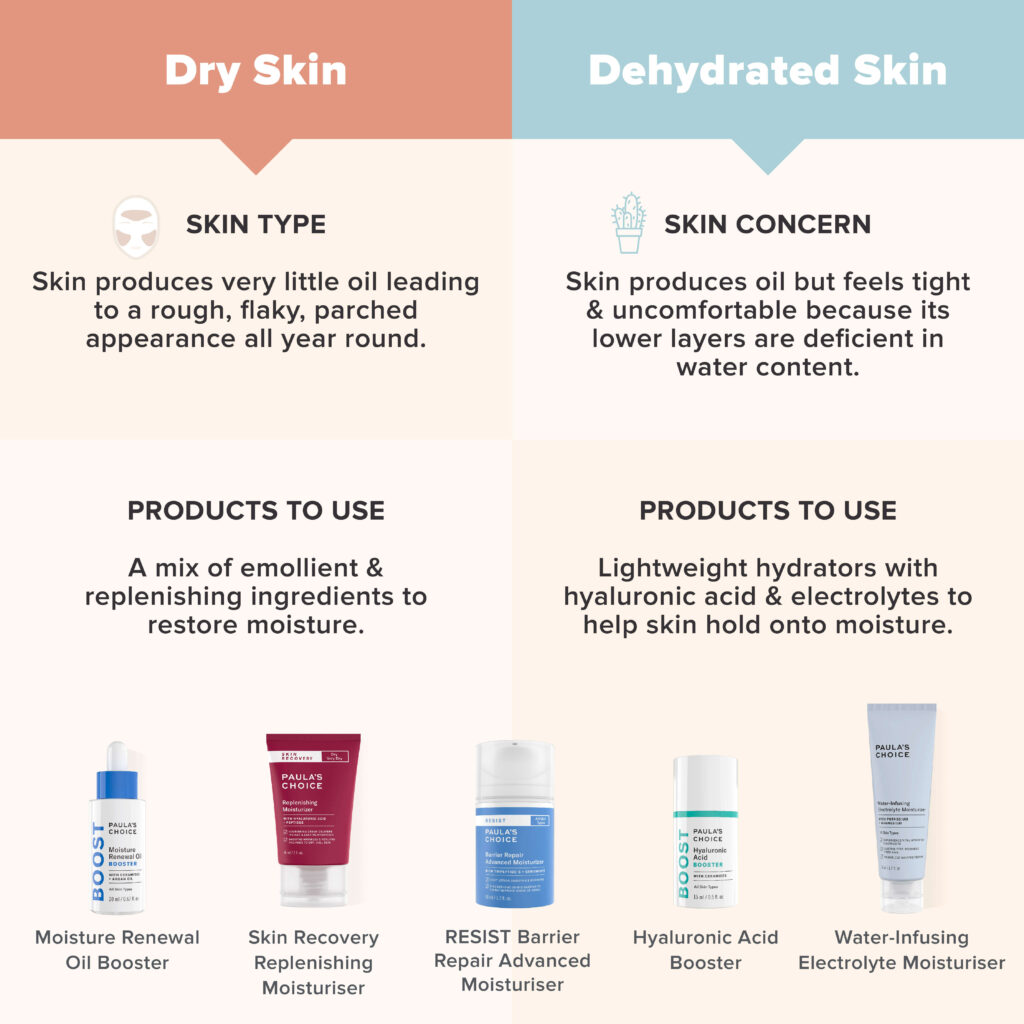
As we take care of our skin, it’s essential to remember that healthy skin is not just about aesthetics; it’s also crucial for our overall well-being. One of the most common skin issues people face is dryness, which can lead to discomfort, irritation, and even long-term damage if left untreated. In this article, we’ll explore some effective natural remedies to help you combat dry skin and achieve a radiant complexion.
Understanding Dry Skin
Our skin is our largest organ, covering over 22 square feet of surface area and performing vital functions such as protecting us from the sun’s UV rays, regulating body temperature, and aiding in the production of vitamin D. However, when our skin becomes dry and dehydrated, it can lead to a host of issues, including itchiness, redness, and an increased risk of infections.
The Importance of Hydration
One of the most critical steps in combatting dry skin is to drink plenty of water. Aim for at least two liters a day to keep your skin hydrated from the inside out. While moisturizers can provide temporary relief, they only penetrate the top layers of the skin, leaving it vulnerable to further dryness.
Beverage vs. Moisturizer: Which Comes First?
While moisturizers are essential for hydrating the surface of the skin, drinking plenty of water is crucial for maintaining overall hydration and preventing dryness from the inside out. Combining both methods can lead to a synergistic effect, where your skin becomes more receptive to moisture and better equipped to retain it.
The Dangers of Frequent Showers
Contrary to popular belief, frequent showers can actually exacerbate dry skin rather than alleviate it. The harsh chemicals in soaps and shampoos can strip the skin of its natural oils, leading to further dryness and irritation. To minimize the risks associated with showering, follow these guidelines:
- Limit your shower time to once a day (unless you’re engaging in strenuous physical activity)
- Use lukewarm water instead of hot water
- Avoid using harsh soaps or cleansers that contain artificial fragrances or dyes
- Rinse off thoroughly and pat dry with a towel, rather than rubbing vigorously
Using Oils to Hydrate Your Skin
After your shower, apply a nourishing oil to help lock in moisture and soothe dry skin. Coconut oil is an excellent choice, as it’s rich in antioxidants and has anti-inflammatory properties that can help reduce redness and inflammation.
When selecting a coconut oil, look for products that are labeled as “extra virgin” or “cold-pressed,” as these tend to be of higher quality and contain fewer additives.
Depilatory Care: The Right Way
Depilating your skin can lead to irritation and dryness if not done properly. To avoid this, follow these tips:
- Depilate immediately after showering when the skin is softest
- Use a gentle exfoliating scrub or a chemical depilator instead of a razor
- Apply a soothing moisturizer or after-care cream to reduce inflammation
Protecting Your Skin from the Sun
One of the primary causes of dry, dehydrated skin is exposure to UV radiation. To prevent damage, make sure to apply a broad-spectrum sunscreen with at least SPF 30 daily, even on cloudy days.
When the temperature drops or rises significantly, it’s essential to take extra precautions to protect your skin from the sun. Use protective clothing, seek shade when possible, and reapply sunscreen regularly to maintain optimal hydration levels.
Exfoliating: The Importance of Removing Dead Skin Cells
Exfoliating is an essential step in maintaining healthy, radiant skin. By removing dead skin cells, you can help improve skin texture, reduce the appearance of fine lines and wrinkles, and promote even skin tone.
When exfoliating, use a gentle exfoliant such as a sugar or salt scrub, or a chemical exfoliant like alpha-hydroxy acids (AHAs) or beta-hydroxy acids (BHAs). Avoid over-exfoliating, as this can lead to irritation and dryness.
Natural Exfoliants: What Are Your Options?
There are several natural exfoliants you can use to promote healthy skin. Some effective options include:
- Sugar: A natural humectant that can help retain moisture in the skin
- Salt: Can help reduce inflammation and improve skin tone
- Coffee grounds: Rich in antioxidants, which can help reduce inflammation and dark spots
- Lemon juice: Has natural astringent properties that can help tighten pores
- Olive oil: Can help moisturize and nourish the skin
Moisturizing: The Key to Hydration
Moisturizers are essential for hydrating the surface of the skin, but they only provide temporary relief. To keep your skin hydrated and healthy in the long term, use a moisturizer that is rich in emollients and humectants.
When selecting a moisturizer, look for products that contain natural ingredients such as shea butter, coconut oil, and olive oil. Avoid moisturizers that contain harsh chemicals or artificial fragrances.
The Importance of pH Balance
Maintaining a healthy skin pH balance is crucial for preventing dryness and irritation. The ideal pH level for the skin is between 4.5 and 5.5.
To maintain a healthy skin pH, avoid using products that contain harsh chemicals or acidic ingredients. Instead, opt for natural ingredients that are gentle on the skin.
Conclusion
Combating dry skin requires patience, persistence, and a willingness to try new approaches. By incorporating these natural remedies into your daily routine, you can achieve a healthy, glowing complexion that’s free from irritation and discomfort.
Frequently Asked Questions
- What is the best way to hydrate my skin?
Drink plenty of water throughout the day and apply moisturizers or oils as needed.
- Can I use any type of oil for hydration?
No, choose high-quality oils like coconut oil that are rich in antioxidants and have anti-inflammatory properties.
- How often should I shower to maintain healthy skin?
Limit your shower time to once a day unless you’re engaging in strenuous physical activity.
- What is the best sunscreen to use for dry skin?
Choose a broad-spectrum sunscreen with at least SPF 30 and apply it daily, even on cloudy days.
- How can I prevent irritation when depilating my skin?
Depilate immediately after showering, use gentle exfoliating scrubs or chemical depilators, and apply soothing moisturizers to reduce inflammation.
- What are some natural remedies for dry skin?
Some effective natural remedies include coconut oil, aloe vera gel, honey, olive oil, and oatmeal baths.
- Can I use hot water when showering my skin?
Avoid using hot water as it can strip your skin of its natural oils and exacerbate dryness.
- How often should I reapply sunscreen to maintain optimal hydration levels?
Reapply sunscreen every two hours or immediately after swimming or sweating.
- Can I use sugar as an exfoliant?
Yes, sugar is a gentle and effective natural exfoliant that can help remove dead skin cells and improve skin texture.
- What are some other ways to protect my skin from the sun?
In addition to using sunscreen, wear protective clothing, seek shade when possible, and reapply sunscreen regularly to maintain optimal hydration levels.
By incorporating these tips into your daily routine, you can say goodbye to dry, dehydrated skin and hello to a radiant, healthy complexion that’s free from irritation and discomfort.


