
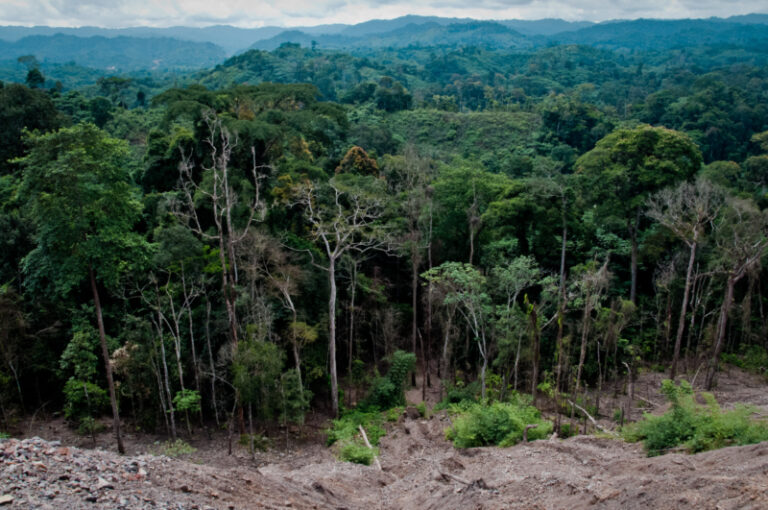
The Devastating Impact of Deforestation and Climate Change
Deforestation and climate change are two of the most pressing issues of our time, with far-reaching consequences for the environment, human health, and the economy. In this article, we will delve into the causes, effects, and solutions to these complex problems, exploring the intersection of deforestation and climate change in unprecedented detail.
What is Deforestation?
Deforestation is the clearance of forests, usually as a result of human activities such as agriculture, urbanization, and logging. This process not only destroys habitats for countless species but also contributes significantly to climate change by releasing stored carbon into the atmosphere. The main drivers of deforestation are:
- Land-use changes, such as agricultural expansion and urbanization
- Over-exploitation of forest resources, including logging and mining
- Climate change itself, which can lead to increased fire risk and drought
Causes of Deforestation
Deforestation is a multifaceted issue with various causes. Some of the most significant factors include:
- Agricultural expansion, particularly for crops like soy and palm oil
- Urbanization and infrastructure development
- Logging and wood production
- Climate change, which can lead to increased fire risk and drought
Aims of Forests
Forests play a vital role in maintaining ecosystem health and providing numerous benefits to humans. Some of the most significant aims of forests include:
- Biodiversity conservation
- Carbon sequestration and climate regulation
- Soil formation and water cycling
- Recreation and tourism
Consequences of Deforestation
The consequences of deforestation are far-reaching and devastating, affecting not only the environment but also human health and the economy. Some of the most significant impacts include:
- Loss of biodiversity and ecosystem disruption
- Climate change mitigation
- Water scarcity and soil degradation
- Negative economic impacts, including loss of livelihoods and income
The FAO Report on Forest Loss
The Food and Agriculture Organization (FAO) publishes an annual report on forest loss, highlighting the severity of this issue. The 2020 report emphasizes the need for sustainable forest management and the importance of forests in achieving the Sustainable Development Goals (SDGs).
Solutions to Deforestation and Climate Change
Addressing deforestation and climate change requires a collective effort from governments, businesses, and individuals. Some potential solutions include:
- Sustainable forest management and certification
- Eco-friendly agriculture practices
- Renewable energy production and consumption
- Carbon offsetting and reforestation efforts
Reducing Deforestation: A Global Perspective
Reducing deforestation is a critical step in addressing the environmental and climate challenges we face. This can be achieved through various means, including:
- Sustainable forest management: Implementing sustainable forest management practices can help reduce deforestation by promoting responsible land-use planning and forestry practices.
- Eco-friendly agriculture: Encouraging eco-friendly agriculture practices can reduce the pressure on forests for agricultural land use, allowing forests to remain intact and healthy.
- Renewable energy production: Promoting renewable energy production and consumption can reduce greenhouse gas emissions associated with fossil fuel extraction and combustion, which contribute to climate change.
- Carbon offsetting: Implementing carbon offsetting schemes can help compensate for the emissions caused by human activities that lead to deforestation.
Promoting Reforestation and Afforestation
Reforestation and afforestation efforts are crucial in restoring degraded forests and promoting biodiversity. These efforts can be promoted through:
- Community engagement: Engaging local communities in reforestation and afforestation initiatives can help build support for these efforts and promote sustainable forest management practices.
- Government support: Governments can provide incentives, funding, and policy support to encourage reforestation and afforestation efforts.
- Individual participation: Individuals can participate in reforestation and afforestation efforts by volunteering their time or providing financial support.
Mitigating Climate Change: A Key Role for Deforestation
Climate change is a pressing global issue that requires immediate attention. One of the key factors contributing to climate change is deforestation, which releases stored carbon into the atmosphere. Mitigating climate change involves reducing greenhouse gas emissions and promoting sustainable forest management practices.
In conclusion, addressing deforestation and climate change requires a collective effort from governments, businesses, and individuals. By understanding the causes and consequences of these problems, we can work towards finding solutions that benefit both humans and the environment.
Frequently Asked Questions (FAQs)
- What is deforestation?
- Deforestation is the clearance of forests, usually as a result of human activities such as agriculture, urbanization, and logging.
- Why is deforestation important to address?
- Deforestation has severe environmental consequences, including loss of biodiversity, climate change mitigation, water scarcity, and soil degradation.
- What are some common causes of deforestation?
- Agricultural expansion, over-exploitation of forest resources, logging, and urbanization are major drivers of deforestation.
- How can we mitigate the effects of deforestation?
- Sustainable forest management, eco-friendly agriculture practices, renewable energy production and consumption, and carbon offsetting are potential solutions to address deforestation and climate change.
- What is the role of forests in achieving the SDGs?
- Forests play a vital role in maintaining ecosystem health and providing numerous benefits to humans, making them essential for achieving the Sustainable Development Goals (SDGs).
- How can we balance human needs with environmental protection?
- Balancing human needs with environmental protection requires sustainable forest management, eco-friendly agriculture practices, renewable energy production and consumption, and carbon offsetting efforts.
- What are some effective strategies to reduce deforestation?
- Strategies include sustainable forest management certification, eco-friendly agriculture practices, renewable energy production and consumption, and carbon offsetting efforts.
- How can we promote reforestation and afforestation efforts?
- Promoting reforestation and afforestation efforts requires government support, community engagement, and individual participation in conservation initiatives.
By working together to address the complex issues surrounding deforestation and climate change, we can create a more sustainable future for all.


