
The Amazon Rainforest: A Tipping Point for Climate Change
1. Introduction to the Amazon Rainforest
The Amazon rainforest is the largest tropical rainforest in the world, spanning across nine countries in South America. It is a vital component of the Earth’s ecosystem, supporting an incredible array of biodiversity and playing a crucial role in regulating the climate.
Located between 5° and 15° south latitude and 50° to 70° west longitude, the Amazon rainforest covers over 5.5 million square kilometers (2.1 million sq mi), making it roughly 40% of the South American continent. The region spans across Brazil (about 60%), Peru (about 13%), Colombia (about 10%), Venezuela, Ecuador, Bolivia, Guyana, Suriname, and French Guiana.
2. The Role of the Amazon Rainforest in Climate Regulation
The Amazon rainforest acts as a massive carbon sink, absorbing and storing large amounts of carbon dioxide from the atmosphere. The forest also plays a key role in regulating the water cycle, with evapotranspiration and convection helping to create precipitation patterns that sustain life on Earth.
The Amazon produces about 20% of the world’s oxygen and is home to an estimated 10% of all known plant and animal species. The forest provides numerous ecosystem services, including carbon sequestration, climate regulation, soil conservation, water filtration, and nutrient cycling.
3. Causes of Deforestation in the Amazon Rainforest
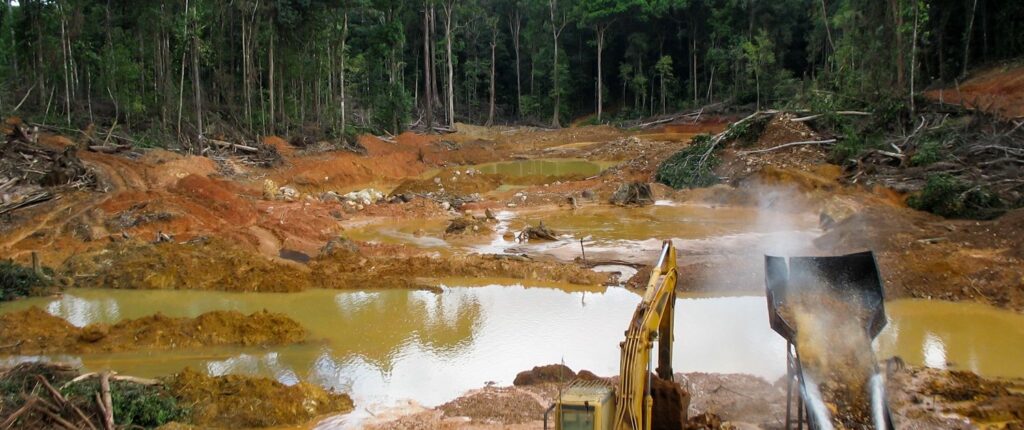
Deforestation is one of the primary causes of the Amazon rainforest’s decline. The main drivers of deforestation are:
- Climate change: Rising temperatures and changing rainfall patterns make it more difficult for the forest to survive.
- Land use changes: Agricultural expansion, logging, and mining have led to widespread clearance of the forest.
- Fires: In recent years, massive fires have ravaged parts of the Amazon, releasing large amounts of carbon dioxide into the atmosphere.
Other factors contributing to deforestation include:
- Population growth: As population numbers increase, so does demand for land, leading to deforestation and habitat loss.
- Economic development: Governments and private companies seek to develop the forest’s natural resources, such as timber, minerals, and agricultural land.
- Lack of regulation: Inadequate laws and policies fail to protect the forest from human activities.
4. The Consequences of Deforestation
The consequences of deforestation are far-reaching and devastating:
- Loss of biodiversity: The Amazon is home to an estimated 10% of all known plant and animal species.
- Climate change: The loss of the forest’s ability to absorb carbon dioxide will accelerate global warming.
- Social impacts: Indigenous communities, who depend on the forest for their livelihoods, are being displaced and marginalized.
5. The Amazon Rainforest as a Tipping Point
The Amazon rainforest is considered a tipping point because of its critical role in regulating the climate. Once the forest is lost, it may be irreparable, leading to catastrophic consequences for the planet.
A tipping point occurs when the delicate balance of the ecosystem is disrupted, causing a sudden and irreversible change. In this case, deforestation threatens to disrupt the Amazon’s ability to regulate the climate, potentially triggering a cascade of devastating effects.
6. The Importance of Sustainable Forest Management
Sustainable forest management is essential for maintaining the health and resilience of the Amazon rainforest. This includes:
- Reducing deforestation: Implementing policies and practices that prevent deforestation.
- Protecting indigenous lands: Respecting the rights of indigenous communities to manage their own lands.
- Promoting sustainable agriculture: Encouraging agricultural practices that minimize harm to the forest.
7. The Role of Climate Change in Deforestation
Climate change is a key driver of deforestation, with rising temperatures and changing rainfall patterns making it more difficult for the forest to survive. This highlights the urgent need to address climate change through reducing greenhouse gas emissions and transitioning to renewable energy sources.
The Amazon rainforest plays a crucial role in regulating the Earth’s climate, and its loss will have far-reaching consequences. Understanding the causes of deforestation is essential for developing effective strategies to mitigate its impacts.
8. The Impact on Local Communities
Deforestation has severe impacts on local communities, including:
- Loss of livelihoods: Indigenous communities rely on the forest for their livelihoods.
- Displacement: Deforestation can lead to displacement and marginalization of indigenous communities.
- Health impacts: Air pollution from forest fires can have serious health consequences.
9. The Global Implications of Deforestation
Deforestation has far-reaching global implications, including:
- Climate change: The loss of the forest’s ability to absorb carbon dioxide will accelerate global warming.
- Biodiversity loss: The Amazon is home to an estimated 10% of all known plant and animal species.
- Economic impacts: Deforestation can have significant economic impacts, including loss of revenue from tourism and agriculture.
10. Conclusion
The Amazon rainforest is a critical component of the Earth’s ecosystem, supporting biodiversity and regulating the climate. Deforestation poses a significant threat to the forest’s survival, with far-reaching consequences for the planet. It is essential that we take immediate action to address deforestation, including promoting sustainable forest management, protecting indigenous lands, and reducing greenhouse gas emissions.
By working together to protect the Amazon rainforest, we can mitigate the impacts of climate change and ensure a sustainable future for generations to come.
FAQs
- What is the Amazon rainforest?
- Why is the Amazon rainforest important?
- What are the main causes of deforestation in the Amazon rainforest?
- What are the consequences of deforestation?
- How can we mitigate the impacts of deforestation?
- What role does climate change play in deforestation?
- How do indigenous communities depend on the forest?
- Can the Amazon rainforest be saved?


