
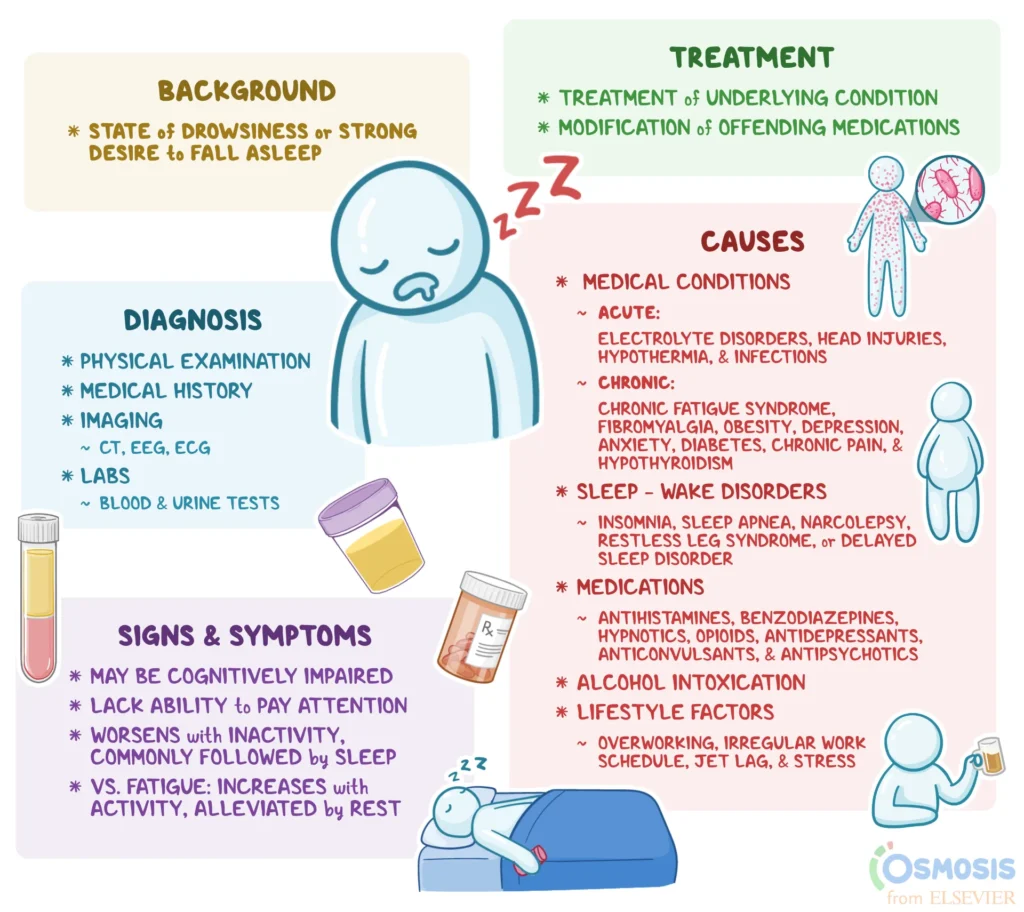
Are you tired of feeling groggy and sluggish during the day? Do you struggle to stay focused and productive due to excessive daytime sleepiness? You’re not alone. Approximately 20% of people experience excessive daytime sleepiness, making it one of the most common “complaints” made to doctors.
It’s essential to note that daytime sleepiness is not a disorder in itself but rather a symptom of underlying conditions that can have severe effects on your health. In this article, we’ll delve into the causes and treatment options for excessive daytime sleepiness.
Symptoms of Excessive Daytime Sleepiness
Excessive daytime sleepiness (EDS) is characterized by an overwhelming need to sleep during the day, often accompanied by other symptoms such as:
• Feeling tired or drowsy throughout the day
• Difficulty staying awake during key hours of the day
• Frequent napping or taking long breaks
• Reduced productivity and performance at work or school
• Increased risk of accidents and errors
EDS is not just fatigue; it can also affect your cognitive function, memory, and mood. If you’re experiencing any of these symptoms, it’s crucial to seek professional help to determine the underlying cause.
Causes of Excessive Daytime Sleepiness
The primary cause of EDS is a lack of adequate sleep. Adults need 7-9 hours of sleep per night, but many people fail to get this amount due to various factors such as:
• Irregular sleep schedules
• Poor sleep hygiene (e.g., using electronic devices before bed)
• Stress and anxiety
• Certain medications or substances (e.g., caffeine, nicotine)
• Sleep disorders (e.g., apnea, narcolepsy)
Other potential causes of EDS include:
• Work-related stress and fatigue
• Lack of physical activity
• Social isolation
• Certain medical conditions (e.g., anemia, hypothyroidism)
• Environmental factors (e.g., noise pollution, lack of natural light)
• Genetic predisposition
Treatment Options for Excessive Daytime Sleepiness
While there is no cure for EDS, various treatments can help alleviate symptoms. Here are some effective strategies:
Lifestyle Changes
- Establish a regular sleep schedule: Go to bed and wake up at the same time every day, including weekends.
- Avoid napping: Napping can disrupt your ability to fall asleep at night. If you need a nap, keep it short (under 30 minutes) and avoid napping close to bedtime.
- Limit electronic device use before bed: The blue light emitted by devices can suppress melatonin production, making it harder to fall asleep.
- Exercise regularly: Regular physical activity can help improve sleep quality, but avoid vigorous exercise within a few hours of bedtime.
- Create a relaxing sleep environment: Ensure your bedroom is dark, quiet, and at a comfortable temperature.
Behavioral Therapies
- Cognitive-behavioral therapy for insomnia (CBT-I): This type of therapy can help you identify and change negative thoughts and behaviors that contribute to EDS.
- Relaxation techniques: Stress-reducing activities like meditation, deep breathing, or yoga can help alleviate symptoms.
Medications
- Stimulants: Prescription medications such as Ritalin or Adderall can be effective in treating EDS caused by sleep disorders or certain medical conditions.
- Antidepressants: Certain antidepressants like selective serotonin reuptake inhibitors (SSRIs) can help regulate sleep patterns.
Alternative Therapies
- Acupuncture: This traditional Chinese medicine technique involves inserting thin needles into specific points on the body to stimulate energy flow and promote relaxation.
- Massage therapy: Regular massages can help reduce stress, anxiety, and fatigue associated with EDS.
- Herbal supplements: Certain herbs like melatonin or valerian root may help regulate sleep patterns.
Diagnosing Excessive Daytime Sleepiness
Diagnosing EDS can be challenging, as it may be confused with other conditions like general fatigue or depression. If you’re experiencing excessive daytime sleepiness, consult with a healthcare professional who specializes in sleep disorders. They will:
• Conduct a thorough medical history: Discuss your symptoms, lifestyle, and medical conditions.
• Perform physical examinations: Rule out underlying health issues that may be contributing to EDS.
• Order sleep studies or tests: Determine the cause of your EDS and develop an effective treatment plan.
Conclusion
Excessive daytime sleepiness is a common issue that can significantly impact daily life. By understanding its causes, symptoms, and treatment options, you can take the first step towards managing this condition. If you’re struggling with excessive daytime sleepiness, consult with a healthcare professional for personalized guidance and support.
Frequently Asked Questions (FAQs)
- What is excessive daytime sleepiness?
Excessive daytime sleepiness (EDS) is a condition characterized by an overwhelming need to sleep during the day, often accompanied by other symptoms such as fatigue, reduced productivity, and decreased cognitive function.
- Is EDS a disorder or a symptom of another condition?
EDS is not a disorder in itself but rather a symptom of underlying conditions that can have severe effects on your health.
- Can I treat excessive daytime sleepiness without medical attention?
While some lifestyle changes, such as establishing a regular sleep schedule and avoiding electronic devices before bed, can help alleviate symptoms, it’s essential to consult with a healthcare professional for personalized guidance and treatment.
- What are the long-term effects of excessive daytime sleepiness?
Untreated EDS can lead to decreased productivity, reduced cognitive function, increased risk of accidents, and negative impacts on mental health.
- Can I prevent excessive daytime sleepiness?
Establishing good sleep hygiene practices, avoiding substances that disrupt sleep, and managing stress and anxiety can help reduce the risk of developing EDS.
- Is there a cure for excessive daytime sleepiness?
While there is no cure for EDS, various treatments can help alleviate symptoms and improve overall quality of life.
- Can I still function normally with excessive daytime sleepiness?
EDS can significantly impact daily functioning, but with proper treatment and lifestyle changes, you can learn to manage your condition and improve your overall well-being.
- How common is excessive daytime sleepiness?
Approximately 20% of people experience excessive daytime sleepiness, making it one of the most common “complaints” made to doctors.
Additional Resources
If you’re struggling with EDS, there are many additional resources available to help you manage your symptoms and improve your quality of life. Some recommended resources include:
• National Sleep Foundation: A non-profit organization dedicated to promoting sleep health and providing information on sleep disorders.
• American Academy of Sleep Medicine: A professional organization that provides information on sleep disorders, treatment options, and research studies.
• Sleep Health Foundation: An Australian-based organization that provides information on sleep disorders, treatment options, and lifestyle changes.
By understanding the causes, symptoms, and treatment options for excessive daytime sleepiness, you can take the first step towards managing this condition and improving your overall well-being.



