
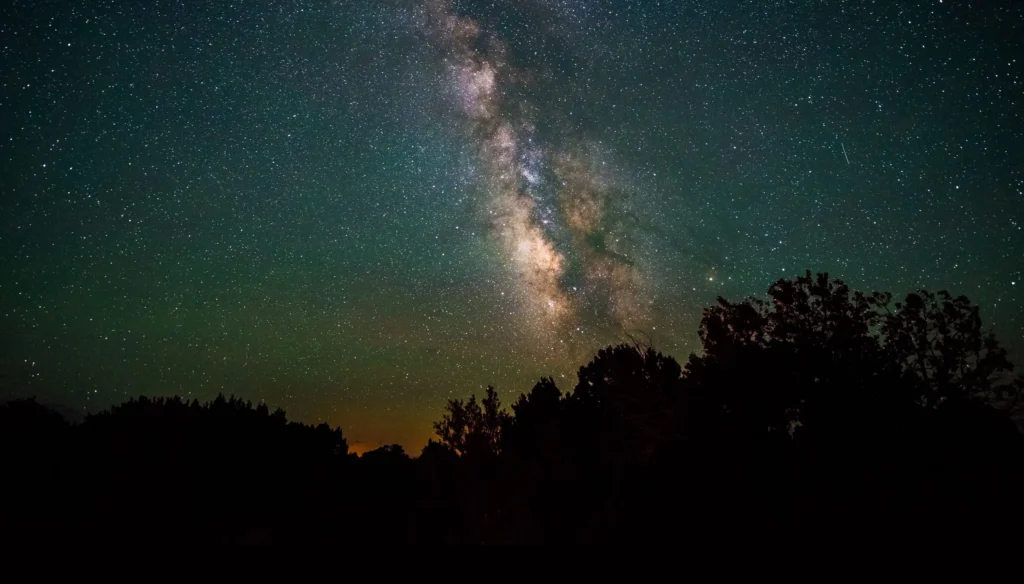
Imagine a world where you can see the stars twinkling above, where the night sky is as black as coal, and the only light comes from distant galaxies. This was once the reality for humans, but with the advent of artificial lighting, we have lost that opportunity. The consequences of this are far-reaching, affecting not just our cultural heritage but also our health and well-being.
In this article, we will delve into the world of light pollution, a growing concern that affects us all. We’ll explore its causes, effects, and solutions, as well as highlighting successful initiatives in Italy and beyond.
What is Light Pollution?
Light pollution, simply put, is the alteration of natural light levels in our environment due to human-made sources like streetlights, building lights, and other artificial illuminations. This can have severe consequences for both humans and wildlife.
The effects of light pollution are multifaceted:
- Loss of Cultural Heritage: The night sky has been a source of inspiration for art, literature, science, and philosophy throughout history. By losing the opportunity to see this celestial wonder, we risk erasing a significant part of our cultural identity.
- Disruption of Natural Cycles: Light pollution can interfere with natural biological processes, such as migration patterns and breeding habits. This can have devastating consequences for ecosystems and biodiversity.
- Negative Impact on Human Health: Exposure to artificial light at night has been linked to various health issues, including sleep disorders, circadian rhythm disruption, and increased risk of chronic diseases.
The Italian Perspective
In Italy, the situation is dire. With only one location remaining unspoiled – the island of Montecristo – the rest of the country is bathed in artificial light, making it difficult to see the night sky.
However, there are signs of hope:
- Legislation and Enforcement: Some regions, like Lombardy, have implemented effective laws against light pollution, setting an example for others to follow.
- Community Efforts: Municipalities, schools, and individuals are working together to raise awareness about the issue and take action.
Solutions and Best Practices
While there is no single solution to this complex problem, there are steps we can take:
- Education and Awareness: Educating ourselves and others about the effects of light pollution is crucial. This includes understanding local regulations, reporting instances of excessive lighting, and advocating for change.
- Smart Lighting Solutions: Implementing smart lighting systems that adjust brightness based on natural light availability can help reduce unnecessary illumination.
- Collaboration and Policy Change: Encouraging policy changes at local, national, and international levels is vital. This includes supporting legislation aimed at reducing light pollution and promoting sustainable lighting practices.
Technological Innovations
Advances in technology have led to the development of innovative solutions for mitigating light pollution:
- Smart Lighting Systems: These systems use sensors and algorithms to adjust brightness based on natural light availability, reducing unnecessary illumination.
- Light-Directed LED Lights: These lights are designed to emit light downwards, reducing glare and minimizing impact on the environment.
- Phase-Based Lighting Systems: These systems adjust lighting schedules based on astronomical events, such as moon phases and planetary alignments.
The Role of Individual Action
While technological innovations can play a significant role in mitigating light pollution, individual action is also crucial. Here are some simple steps you can take:
- Conduct an Energy Audit: Assess the energy efficiency of your home or business, identifying areas for improvement.
- Install Smart Lighting Systems: Consider installing smart lighting systems that adjust brightness based on natural light availability.
- Use Energy-Efficient Light Bulbs: Replace traditional incandescent bulbs with energy-efficient LED bulbs.
Conclusion
The sky is not the limit; it’s a fragile resource that requires our protection. By understanding the causes and effects of light pollution, we can work together to create a brighter, more sustainable future for all.
Frequently Asked Questions
- Q: What is the most effective way to reduce light pollution?
A: Implementing smart lighting systems and enforcing local regulations are key steps in reducing light pollution. - Q: How can I contribute to the effort to protect the night sky?
A: By spreading awareness, supporting policy changes, and making conscious choices about your own lighting habits. - Q: Are there any successful initiatives globally aimed at addressing light pollution?
A: Yes, several countries and organizations have implemented innovative solutions to reduce light pollution.


