
Introduction
As the world becomes increasingly aware of the importance of environmental sustainability, the tourism industry is no exception. Visitors are now eager to explore destinations that not only showcase local culture but also demonstrate a commitment to eco-friendliness. The Danish Maritime Museum, located in Helsingør (Elsinore), Denmark, is an exemplary case study in sustainable design and environmental responsibility.
The Birth of the Museum
In 2013, a team of architects was tasked with transforming a former water basin into a museum that would not only showcase the maritime history of Denmark but also adhere to the highest standards of sustainability. The project required careful consideration of both form and function, as the goal was to preserve the natural beauty of the surrounding landscape while creating an innovative and eco-friendly space.
The Challenges
One of the primary challenges faced by the architects was balancing the needs of preservation with those of innovation. On one hand, they had to work with a pre-existing structure (the water basin) that needed to be integrated into the design without compromising its original character. On the other hand, they had to ensure that the museum met the stringent requirements set by UNESCO for maintaining the natural landscape.
A Unique Design
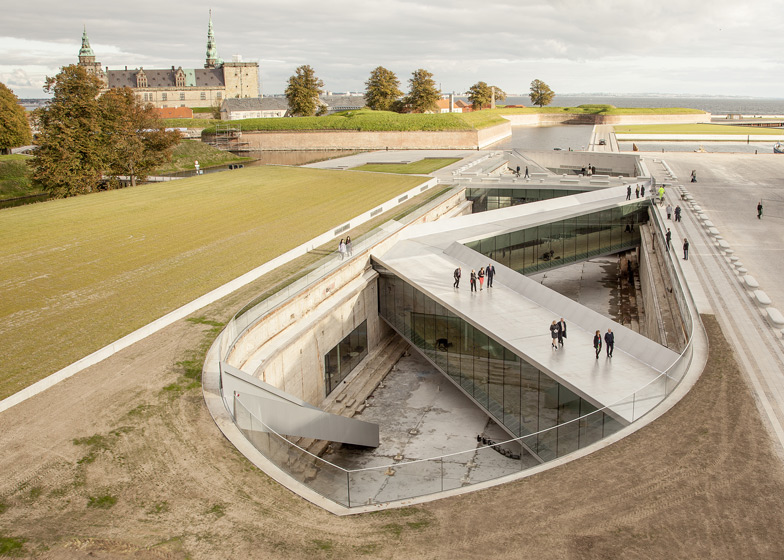
The result of this challenge is a museum that defies conventional wisdom and pushes the boundaries of sustainable design. Instead of burying the water basin, the architects decided to “inter the museum” within it. The result is a 3D-shaped building that appears to be floating on top of the water.
The Water Basin: A Hidden Gem
The original water basin has been left partially exposed, creating an artificial lake-like environment that not only adds to the aesthetic appeal but also helps regulate the museum’s climate. Strategically placed windows and skylights allow natural light to penetrate the space, reducing the need for artificial illumination.
A Sustainable Space
Inside the museum, visitors are treated to an immersive experience that showcases the maritime history of Denmark while promoting environmental awareness. The exhibitions are designed to be energy-efficient, using LED lighting and smart glass technology to minimize energy consumption.
Elsinor: A City with a Rich History
Helsingør (Elsinore) is a city rich in history and culture, boasting several UNESCO World Heritage sites, including the Kronborg Castle. The museum’s proximity to this iconic landmark has helped to boost tourism in the area while providing an opportunity for visitors to explore Denmark’s maritime heritage.
Sustainable Features
The Danish Maritime Museum incorporates several sustainable features that set it apart from other museums. These include:
- Renewable Energy: The museum is powered by 100% renewable energy, generated from on-site wind turbines.
- Rainwater Harvesting: Rainwater is collected and used for irrigation purposes, reducing the need for potable water.
- Recycled Materials: Many of the building materials used in the construction process were sourced from recycled or sustainable suppliers.
Exhibitions and Activities
The museum features a wide range of exhibitions and activities that showcase the maritime history of Denmark. Some highlights include:
- Maritime History Exhibits: The museum showcases an extensive collection of artifacts, including ship models, navigational instruments, and personal belongings of sailors.
- Interactive Displays: Visitors can engage with interactive displays that simulate what it would have been like to live on a sailing vessel during the 18th century.
- Sailing Demonstrations: The museum offers regular sailing demonstrations, allowing visitors to experience the thrill of sailing on a historic ship.
Conservation Efforts
The Danish Maritime Museum is committed to preserving the maritime heritage of Denmark and promoting environmental awareness. Some conservation efforts include:
- Restoration Projects: The museum is involved in several restoration projects aimed at preserving historic ships and vessels.
- Environmental Education: The museum offers regular environmental education programs, teaching visitors about the importance of sustainability and eco-friendliness.
Conclusion
The Danish Maritime Museum serves as a shining example of sustainable design and environmental responsibility. By embracing innovative technologies and traditional craftsmanship, the architects have created a unique space that not only showcases the history of Denmark but also promotes eco-friendly practices. As we move forward in an increasingly uncertain world, it is essential to learn from this remarkable project and strive for similar levels of sustainability in our own endeavors.
Frequently Asked Questions
Q: What inspired the design of the Danish Maritime Museum?
A: The architects drew inspiration from the surrounding landscape and the need to preserve natural beauty while creating an innovative space.
Q: How does the museum achieve energy efficiency?
A: The museum uses LED lighting, smart glass technology, and other sustainable features to minimize energy consumption.
Q: What is the significance of the water basin in the design?
A: The water basin serves as a natural air conditioning system, regulating the climate inside the museum while also creating an artificial lake-like environment.
Q: Can visitors explore the museum’s underwater spaces?
A: Yes, the “museum sommerso” (submerged museum) offers a unique opportunity for visitors to explore the maritime history of Denmark in an immersive and interactive way.
Q: How does the museum contribute to environmental awareness?
A: The museum promotes eco-friendly practices through its exhibitions, design, and sustainable features, inspiring visitors to adopt environmentally responsible behaviors.
Q: Is the museum easily accessible?
A: Yes, the museum is located near the Kronborg Castle, making it an ideal destination for tourists and history enthusiasts alike.
Q: What types of exhibitions can visitors expect to see at the museum?
A: The museum features a wide range of exhibitions showcasing the maritime history of Denmark, including artifacts, interactive displays, and immersive experiences.
Q: How can I plan my visit to the Danish Maritime Museum?
A: Visitors can plan their visit by visiting the official website or contacting the museum directly for more information on opening hours, ticket prices, and exhibition schedules.


