
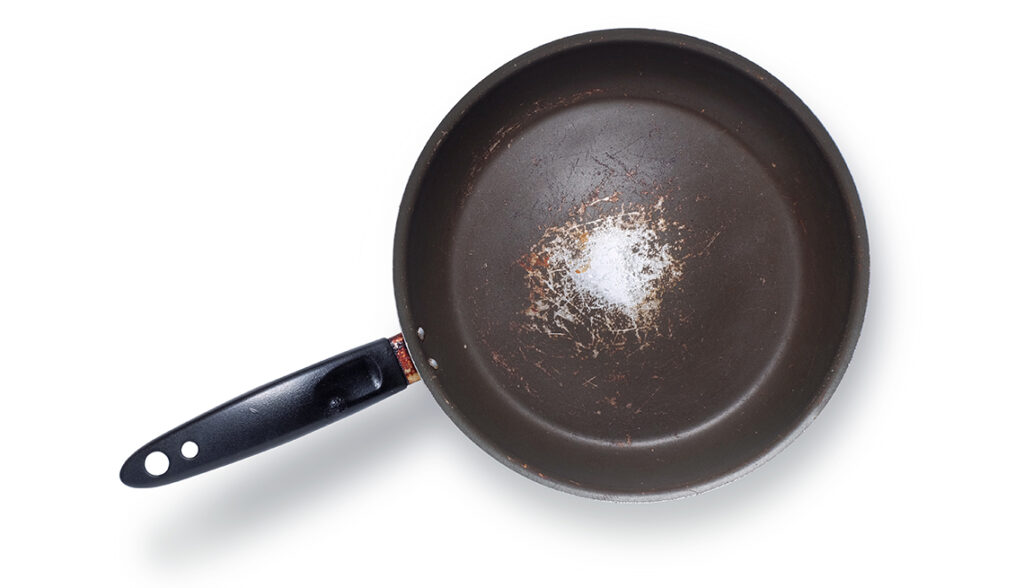
As we strive for healthier eating habits, it’s essential to consider the quality of our cooking vessels. While many of us focus on choosing organic food, we often overlook the potential harm caused by non-stick pans. The coating on these pans can contaminate our food with toxic chemicals, making them a hazardous choice for health-conscious cooks.
The Risks of PTFE and PFOA
Many non-stick pans contain a synthetic polymer called polytetrafluoroethylene (PTFE) or perfluorooctanoic acid (PFOA). These chemicals have been linked to various health problems, including cancer, thyroid disease, and reproductive issues. When heated to high temperatures, PTFE can break down and release toxic fumes into your food.
The Science Behind Non-Stick Coatings
Non-stick coatings are made from a mixture of polymers and chemicals that create a slippery surface on the pan. The most common type of non-stick coating is Teflon, which is made from PTFE. When heated to high temperatures, PTFE can break down into small particles called fluoropolymers, which can then be ingested with food.
The Health Risks Associated with Non-Stick Pans
Research has shown that exposure to PFOA and PTFE can have serious health consequences. Some of the most significant risks include:
- Cancer: The International Agency for Research on Cancer (IARC) has classified PFOA as a “possible human carcinogen,” which means that it may increase the risk of cancer.
- Thyroid Disease: Exposure to PFOA and PTFE has been linked to an increased risk of thyroid disease, including hypothyroidism and hyperthyroidism.
- Reproductive Issues: The use of non-stick pans has been associated with reproductive problems, including infertility and miscarriage.
The Alternative: Sandflow Coating
Fortunately, there are safer alternatives available. Sandflow is a non-stick coating made from a “sand-like” material that’s less toxic than traditional PTFE or PFOA-based coatings. This innovative surface is free from these hazardous chemicals and can be used at high temperatures without compromising its integrity.
Finding Safe Non-Stick Pans
If you’re looking to replace your non-stick pan, you can find Sandflow-coated pans on Amazon or by shopping with a reputable vendor who specializes in cookware. When purchasing online, make sure to read reviews and check the manufacturer’s claims about their products being PFOA-free and PTFE-free.
What to Look for in a Safe Non-Stick Pan
Before making a purchase, consider the following factors:
- Lidability: Can the pan be washed in a dishwasher?
- Temperature Resistance: Can the pan withstand high temperatures (up to 450°C)?
- Material: Avoid pans made from Teflon or similar materials
The Importance of Choosing Safe Cookware
While it’s easy to overlook the potential risks associated with non-stick pans, choosing safe cookware is crucial for maintaining a healthy diet. By opting for PFOA-free and PTFE-free coatings like Sandflow, you can minimize your exposure to toxic chemicals.
Alternatives to Non-Stick Pans
If you’re concerned about the safety of non-stick pans, consider these alternatives:
- Cast Iron: A durable and heat-retentive option that’s perfect for slow-cooking.
- Stainless Steel: A versatile and resistant material ideal for everyday cooking.
- Ceramic Coated Pans: A safe and non-toxic alternative to traditional non-stick pans.
The Impact of Non-Stick Pans on the Environment
In addition to health concerns, non-stick pans can also have a negative impact on the environment. The production process for these pans involves chemicals that contribute to air pollution.
Conclusion
Choosing the right cookware is essential for maintaining a healthy diet and reducing our environmental footprint. By understanding the risks associated with non-stick pans and opting for safer alternatives, we can make informed decisions about our cooking vessels.
Frequently Asked Questions (FAQs)
- What are the health risks associated with PTFE and PFOA?
- Exposure to these chemicals has been linked to various health problems, including cancer, thyroid disease, and reproductive issues.
- How can I avoid exposure to toxic fumes from non-stick pans?
- Use a non-stick pan with a Sandflow coating or opt for alternative cookware options like cast iron or stainless steel.
- What are the benefits of choosing PFOA-free and PTFE-free coatings?
- These coatings eliminate the risk of exposure to toxic chemicals, ensuring a safer cooking experience.
- Can I wash my non-stick pan in a dishwasher?
- Always check the manufacturer’s instructions before washing your pan in a dishwasher.
- What are some alternative cookware options to non-stick pans?
- Consider cast iron, stainless steel, or ceramic-coated pans for a safer and healthier cooking experience.
- How can I reduce my environmental impact when choosing cookware?
- Opt for durable materials like stainless steel or cast iron, which require less maintenance and have a lower carbon footprint.
- Are there any other chemicals of concern in non-stick pans besides PFOA and PTFE?
- Yes, some non-stick coatings may contain additional hazardous chemicals like perfluorinated compounds (PFCs).
- Can I still use non-stick pans if I have a thyroid condition or are pregnant/breastfeeding?
- Consult with your healthcare provider before using non-stick pans, as exposure to PFOA and PTFE may exacerbate certain health conditions.
- How can I dispose of my old non-stick pan safely?
- Recycle your pan if possible or discard it responsibly by following local guidelines for hazardous waste disposal.
- Are there any certifications that guarantee the safety of non-stick pans?
- Look for third-party certifications like Greenguard Gold or UL Environment, which ensure compliance with rigorous safety standards.
By being aware of the potential risks associated with non-stick pans and opting for safer alternatives, you can make informed decisions about your cooking vessels and prioritize a healthier lifestyle.


