
As the arrival of spring brings new life to our surroundings, so do the vibrant flowers that dot our landscapes. Among these, the tarassaco plant stands out for its intense yellow blooms, which have captivated us with their beauty. This herbaceous plant has gained popularity in recent years, not only for its culinary uses but also for its health benefits and medicinal properties.
Understanding Tarassaco: A Brief Overview
Tarassaco is a type of plant that grows predominantly in grasslands, easily recognizable by its bright yellow flowers. Its usage in cooking and cosmetics has been increasing due to its beneficial and salutary properties. The best time to harvest tarassaco is in February or September, before the plant blooms.
History of Tarassaco
The history of tarassaco dates back to ancient civilizations, where it was used for both medicinal and culinary purposes. The Greek physician Hippocrates mentioned tarassaco as a natural remedy for various ailments, including fever and rheumatism. In modern times, tarassaco has gained popularity in Europe, particularly in France, Italy, and Spain, where it is often used in traditional medicine.
Chemical Composition of Tarassaco
Tarassaco contains a variety of bioactive compounds, including flavonoids, terpenes, and phenolic acids. These compounds have been shown to exhibit antioxidant, anti-inflammatory, and antimicrobial properties, making tarassaco an attractive ingredient for various applications.
Using Tarassaco in Cooking
One common way to consume tarassaco is in salads with extra virgin olive oil, salt, and onion. Fresh leaves can be added directly to dishes, while other parts of the plant can be dried for later use. The roots can be pressed to extract juice, which can then be dried and stored.
Tarassaco Leaves: A Versatile Ingredient
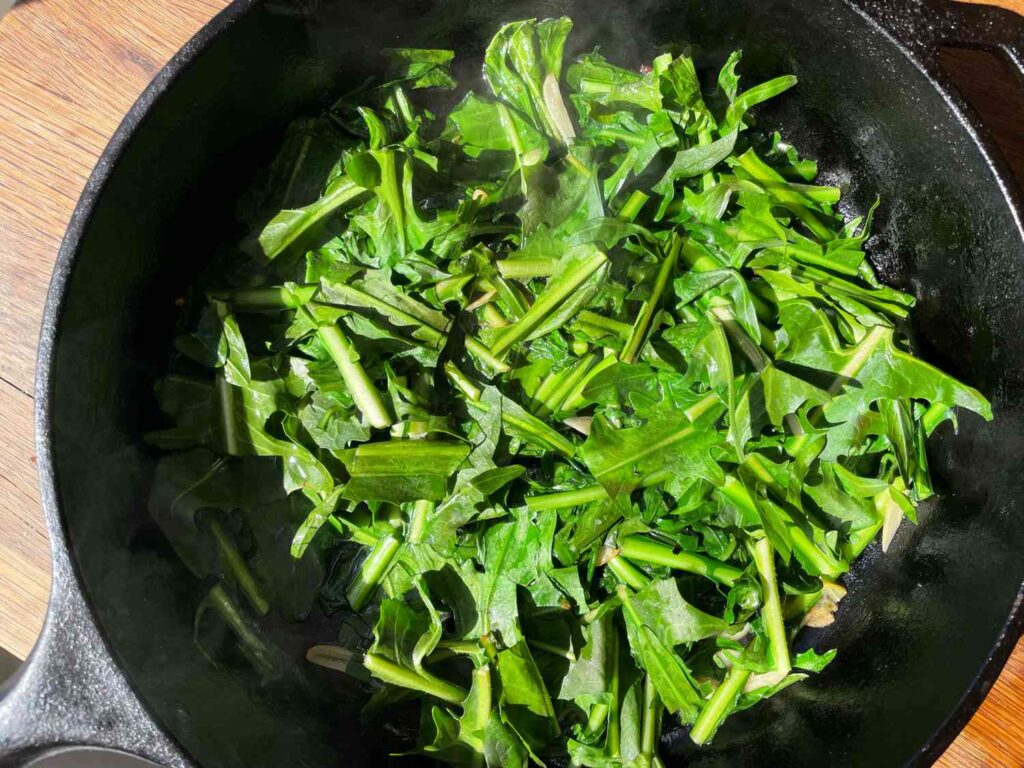
Fresh tarassaco leaves can be sautéed in olive oil with garlic and lemon, making them a great addition to various dishes. They can also be added to frittatas, soups, and salads, as well as used as a filling for fresh pasta.
Tarassaco as a Diuretic
Due to its high potassium content, tarassaco has diuretic properties. To prepare an infusion, about 20 leaves should be added to 1 liter of hot water for 20 minutes. The drink should be consumed warm and in moderation, with 3-4 cups per day.
Pickled Flower Buds: A Traditional Recipe
To make pickled flower buds, combine 1 liter of vinegar with 2 tablespoons of salt in a pot. Bring to a boil, then add the tarassaco flower buds and cook for 2 minutes. Let them cool on cotton cloth covered with another cloth for at least one night. Cover them with other ingredients like allspice, juniper berries, and olive oil, allowing it to rest for at least two weeks before consumption.
Warning: Handling Tarassaco Flower Buds
When cutting the tarassaco flower stem, a white, oily liquid will be released. Be cautious, as this substance is irritating to the skin and toxic if ingested.
Tarassaco Tisana: A Natural Detoxifier
Commercial tisane depurative products featuring tarassaco can be found in stores. One such product is Tisana Depurativa Bonomelli, made from a combination of tarassaco extract, dandelion, cardamom, and turmeric. The recommended daily intake is 2 cups, which can be consumed at any time. To prepare, add the powder to boiling water in a teapot, allowing it to infuse for 4-5 minutes.
Precautions and Contraindications
While tarassaco is generally considered safe, there are some precautions and contraindications to be aware of. Tarassaco may interact with certain medications, such as blood thinners and diabetes medications. It is also recommended to consult with a medical professional before consuming tarassaco if you have any underlying health conditions or allergies.
Conclusion
Tarassaco has proven its worth as an ingredient in both cooking and traditional medicine. From its nutritional benefits to its diuretic properties, this plant has many uses. Whether consumed fresh or dried, tarassaco offers a multitude of possibilities for those seeking natural solutions.
Frequently Asked Questions
- What is tarassaco?
Tarassaco is a herbaceous plant that grows in grasslands and is recognized by its bright yellow flowers. - How do I harvest tarassaco?
The best time to harvest tarassaco is in February or September, before the plant blooms. - Can I use tarassaco leaves raw?
Yes, fresh tarassaco leaves can be added directly to dishes and used as a filling for pasta. - Is tarassaco good for digestion?
While not specifically known for its digestive benefits, tarassaco may have some beneficial effects due to its potassium content. - Can I make tisana with tarassaco only?
No, commercial products often combine tarassaco with other herbs like dandelion and cardamom for enhanced benefits. - Is it safe to consume tarassaco roots?
Yes, the roots can be pressed to extract juice, which can then be dried and stored for later use. - Can I make pickled flower buds at home?
Yes, follow the traditional recipe provided earlier to create your own pickled flower buds. - How do I store tarassaco leaves?
Fresh tarassaco leaves should be stored in a cool, dry place to maintain their flavor and nutritional value.
Additional Tips for Using Tarassaco
- Fresh tarassaco leaves can be frozen or refrigerated for later use.
- Tarassaco tea can be consumed after meals to aid digestion.
- Pickled flower buds can be used as a garnish for various dishes, adding flavor and color.
- Tarassaco root juice can be taken daily as a natural remedy for kidney stones.
Future Research Directions
While tarassaco has shown promising results in various studies, more research is needed to fully understand its potential benefits. Future studies should investigate the pharmacological properties of tarassaco, including its antioxidant and anti-inflammatory effects. Additionally, clinical trials are needed to evaluate the efficacy and safety of tarassaco as a natural remedy for various health conditions.
Conclusion
Tarassaco has proven itself to be a valuable ingredient in both cooking and traditional medicine. From its diuretic properties to its potential benefits for kidney stones, this plant has many uses. Whether consumed fresh or dried, tarassaco offers a multitude of possibilities for those seeking natural solutions. As research continues to uncover the full potential of tarassaco, it is likely that this herbaceous plant will become an increasingly popular ingredient in various applications.


