
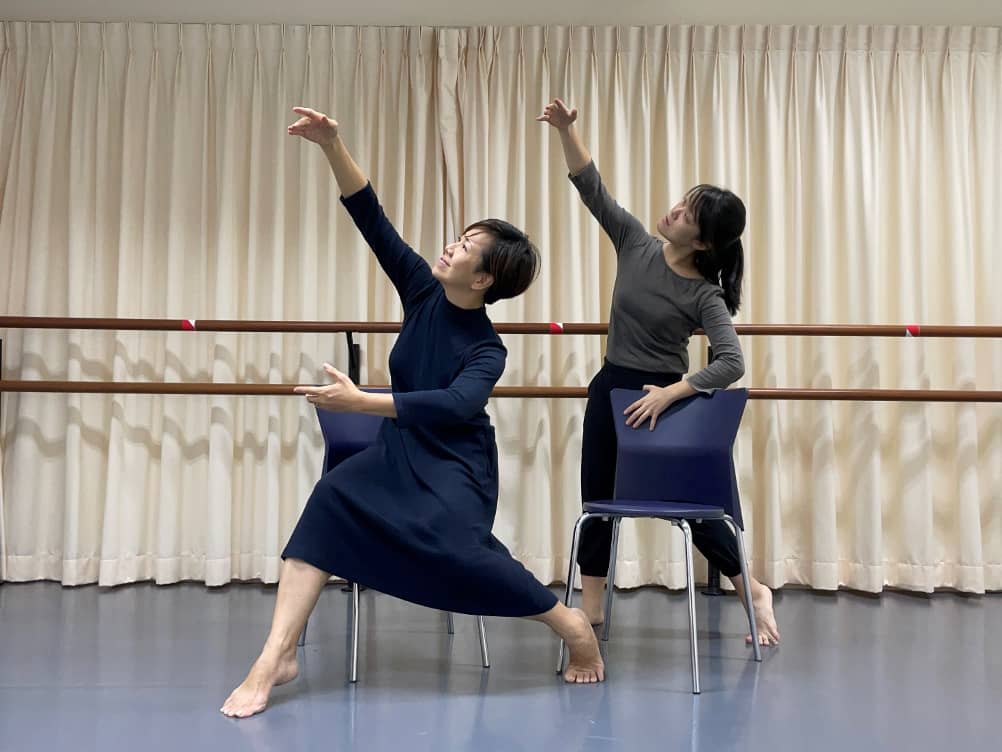
In today’s world, there is an undeniable surge in people’s interest in genuinely pursuing their physical and spiritual well-being. Among the various activities that claim to offer this journey, one stands out – danzaterapia. Although it may not be a medical practice per se, danzaterapia offers liberating moments of dance as a means to find balance in our daily lives.
However, danzaterapia is more than just a fun activity; it’s based on multidisciplinary teachings that help harmonize the body and mind. Like yoga, danzaterapia involves foundational positions, movements, and rules that are learned through experimentation and study, varying according to the type of dance. There are several types of dances.
One example is the “Dance of the 5 Rhythms” created by American dancer and musician Gabrielle Roth. The Dance of the 5 Rhythms aims to bring out one’s emotions through a liberating dance that involves every part of the body in an extremely free movement. This dance is done in groups, with the basic framework provided by the instructor, followed by each participant moving according to their own feelings.
As we delve into the realm of danzaterapia, biodanza, and eurhythmia, it becomes clear that these practices share similarities yet have distinct differences. Let’s break down what sets them apart.
Understanding Danzaterapia: A Holistic Approach
While terms like biodanza and psicodanza may evoke confusion due to their historical origins, danzaterapia simplifies the concept by encompassing all these practices that transform dance into a journey toward overall well-being, where body and mind unite.
Biodanza, for instance, was invented in the 1960s by Chilean psychologist Rolando Toro Araneda. His groundbreaking work involved using music and movement to induce positive emotions and healing in patients. Today, biodanza has evolved into various organizations and movements worldwide that continue to promote its benefits.
Eurhythmia: A Unique Approach
Unlike other practices, eurhythmia is not a dance or gymnastics per se but an art of movement with the aim of achieving physical and mental well-being together. What sets eurhythmia apart is that it’s not just about dance; it’s a holistic approach to health.
Interestingly, there is also a therapeutic version of eurhythmia that plays a significant role in anthroposophical medicine. Given its diverse applications, including education and corporate settings to foster harmony among colleagues, the term danzaterapia seems fitting despite sharing some characteristics with eurhythmia.
What’s the Difference?
While biodanza and eurhythmia are distinct practices, they share commonalities with danzaterapia. Understanding these differences is key to appreciating each practice’s unique value proposition.
The Benefits of Danzaterapia: A New Perspective on Movement and Health
Danzaterapia offers an exciting path toward self-discovery and overall wellness through dance. By embracing its multifaceted approach, individuals can unlock their full potential and find harmony within themselves and others.
Research has shown that practices like danzeterapia can have positive effects on both physical and mental health. The release of endorphins during movement can lead to a sense of well-being and relaxation. Moreover, the social aspect of group classes or workshops can foster connections and support networks, which are essential for overall well-being.
Exploring Different Forms of Danzaterapia: A Journey Within
Danzaterapia encompasses various forms, each with its unique approach and focus. Understanding these differences is crucial to choosing the practice that best suits one’s needs and preferences.
- Biodanza: As mentioned earlier, biodanza was invented by Rolando Toro Araneda in the 1960s. It combines music, movement, and breathwork to induce positive emotions and healing.
- Eurhythmia: This art of movement focuses on achieving physical and mental balance through movement. It’s a holistic approach to health that’s not just about dance but also encompasses nutrition, stress management, and relaxation techniques.
- Dance of the 5 Rhythms: Created by Gabrielle Roth, this practice aims to bring out one’s emotions through liberating dance movements. It’s done in groups with the basic framework provided by the instructor, followed by each participant moving according to their own feelings.
Getting Started with Danzaterapia: Tips and Recommendations
If you’re interested in exploring danzeterapia further, here are some tips and recommendations:
- Find a local class or workshop: Look for local classes or workshops that introduce you to the basics of danzeterapia and its various forms.
- Practice regularly: Consistency is key when it comes to experiencing the benefits of danzaterapia. Practice regularly to develop your skills and build confidence.
- Experiment with different forms: Try out different forms of danzaterapia, such as biodanza or eurhythmia, to find what works best for you.
- Focus on your intentions: Before starting any practice, set clear intentions for what you want to achieve. This will help you stay focused and committed to your journey.
Conclusion: Unlocking the Power of Danzaterapia for Better Well-being
Danzaterapia offers an exciting path toward self-discovery and overall wellness through dance. By embracing its multifaceted approach, individuals can unlock their full potential and find harmony within themselves and others.
Incorporating danzeterapia into your life can have a profound impact on both physical and mental health. The benefits of danzaterapia extend far beyond the dance itself, encompassing emotional expression, social connections, and personal growth.
So why not give it a try? Find a local class or workshop, practice regularly, and experiment with different forms to find what works best for you. With an open mind and a willingness to explore, you can unlock the power of danzaterapia and start your journey toward overall well-being.


