
Tucked away in the vibrant waters of the Mediterranean, the donzella is a fish species that has long been shrouded in mystery. With its striking appearance and elusive nature, it’s no wonder this fish has captivated the hearts of many anglers and aquarists.
What is a Donzella?
But what exactly is a donzella? Two popular species of fish are commonly referred to by this name: the common donzella (Coris julis) and the pavonina donzella (Thalassoma pavo). Both belong to the Labridae family, known for their vibrant colors and playful personalities.
Is Donzella Edible?
One of the most pressing questions about donzella is whether it’s safe to eat. Fortunately, both species are considered edible, although they’re not typically prized for their rich flavor or tender texture. In fact, many fishermen often reject them due to their lack of appeal.
Culinary Delights: Preparing Donzella
Despite its limited culinary value, donzella can still be prepared in a variety of ways. One popular method is to create a hearty fish stew featuring donzella as the star ingredient. In southern Italy, it’s also commonly used to make fritto misto, a dish that showcases the beauty of mixed seafood.
Meet the Common Donzella (Coris julis)
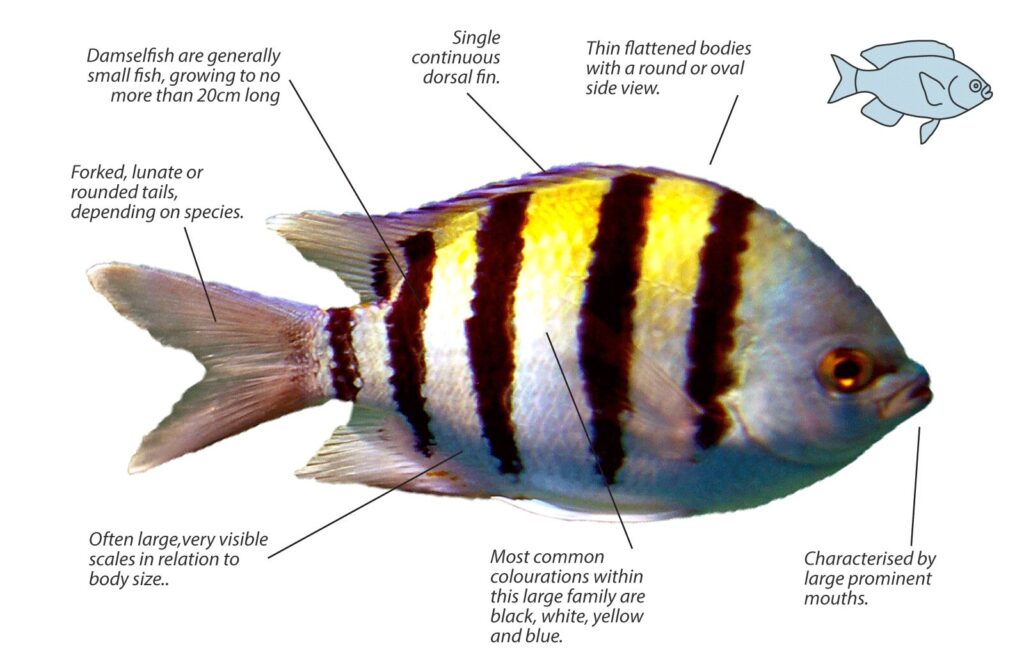
The common donzella is one of the most recognizable species in the Mediterranean. Males can grow up to 25 cm in length and boast striking colors, including shades of green, blue, and reddish-brown. Females, on the other hand, tend to be smaller and sport a distinctive yellow banding pattern.
Habitat and Distribution
Both donzella species can be found on shallow, rocky reefs teeming with life, particularly during the spring and summer months. They thrive in areas where Posidonia oceanica plants dominate the seafloor. The common donzella is typically found in deeper waters, while the pavonina donzella prefers shallower habitats.
The Pavonina Donzella (Thalassoma pavo)
This stunning fish boasts an elongated body, a distinctive oval-shaped head, and impressive labrals that help it feed on mollusks and crustaceans. Males can grow up to 20 cm in length and display dazzling colors, including shades of red, blue, and black.
Unique Characteristics
The pavonina donzella is prized for its striking appearance, but it’s also a bit more challenging to care for than the common species. In captivity, it requires specialized feeding regimens and a gentle handling approach due to its territorial nature. One notable characteristic of this species is its unique courtship behavior, where males will perform elaborate displays of color and movement to attract females.
Where to Find Donzella
Both species can be found on shallow reefs and rocky outcrops, particularly during the summer months. Aquarists who are looking to add these fish to their collections will find them in the wild, but beware: both species have become increasingly popular among recreational fishermen.
Pescating for Donzella
Donzella is a relatively easy catch, especially for beginners. The common species tends to be voracious and responsive to even the simplest lures, while the pavonina donzella requires more patience and finesse. Anglers can increase their chances of landing donzella by targeting areas with shallow water and plenty of cover.
Tips and Tricks for Catching Donzella
- Use a nassa or tramaglio filled with bait like shrimp, crab, or squid.
- Fish during the early morning or late afternoon when waters are calmer and visibility is better.
- Avoid using bottom fishing gear, as this can cause unnecessary stress to these delicate fish.
Aquarium Care: What You Need to Know
To keep these fish thriving in captivity, it’s essential to provide plenty of hiding places and visual barriers to reduce stress. Aquarists should also be aware that both species have a strong territorial instinct and may require specialized housing to prevent aggression.
Setting Up the Perfect Aquarium for Donzella
When setting up an aquarium for donzella, consider the following:
- Use a well-filtered system with plenty of water changes.
- Provide plenty of hiding places, such as live rock or artificial decorations.
- Maintain a temperature range between 18-22°C (64-72°F).
- Feed them a balanced diet consisting of meaty foods like shrimp and crab.
Common Health Issues in Donzella
Donzella are generally hardy fish, but they can still be susceptible to certain health issues. Some common problems include:
- Fin rot: caused by poor water quality or inadequate maintenance.
- Ich: a parasitic infection that can cause white spots on the skin.
- Respiratory infections: often caused by overfeeding or poor water circulation.
Conclusion
The donzella is an enigmatic creature that continues to fascinate anglers and aquarists alike. Whether you’re looking to catch this elusive fish or simply learn more about its fascinating biology, there’s no denying the allure of these Mediterranean wonders.
Frequently Asked Questions (FAQs)
- Q: Is donzella edible?
A: Yes, both species are considered edible, although they may not be particularly prized for their flavor. - Q: How do I care for pavonina donzella in captivity?
A: Provide plenty of hiding places, specialized feeding regimens, and gentle handling to minimize stress. - Q: What is the best time to catch donzella?
A: Early morning or late afternoon tend to produce better results due to calmer waters and increased visibility. - Q: Can I use live bait when fishing for donzella?
A: Yes, shrimp, crab, or squid can be effective baits for both species. - Q: Are pavonina donzella aggressive in captivity?
A: They can become territorial if not provided with sufficient space and hiding places. - Q: Can I keep multiple donzella together?
A: It’s generally recommended to keep them separate, as they have distinct personalities and may fight. - Q: How long does it take for pavonina donzella to mature?
A: Both species typically take several months to develop their adult characteristics. - Q: Are there any specific health concerns when keeping donzella?
A: Regular water changes, proper feeding regimens, and a healthy environment are essential for maintaining the overall well-being of these fish.


