
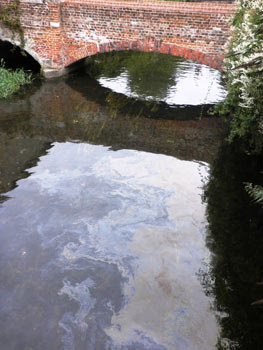
Used cooking oil is a common waste product that can have devastating effects on our environment if not disposed of properly. The consequences of improper disposal are far-reaching and can lead to significant environmental damage and health risks. In this article, we will explore the impact of used cooking oil on soil, groundwater, waterways, and human health.
The Amount of Used Cooking Oil Waste
According to data from CONOE/Adriatica Oli srl, 57% of cooking oil waste is produced domestically and, unfortunately, not all of it is disposed of correctly. In Italy alone, there are approximately 200,000 tons of fried food waste that end up in the environment every year. This staggering amount of waste highlights the importance of proper disposal methods for used cooking oil.
Where Does Used Cooking Oil Go After Use?
Used cooking oil is usually discarded or sent to a recycling facility, but often ends up in sinks or toilets and flows into sewage systems. When the sewer system doesn’t have a treatment plant, the oil waste ends up directly on the ground, contaminating soil, waterways, and groundwater.
The Consequences of Poor Disposal
The improper disposal of used cooking oil causes significant environmental damage and health risks. Some of the consequences include:
- Soil Pollution: When used cooking oil is poured down a drain or toilet, it can create a thin layer on top of soil, preventing water from penetrating and nutrients from reaching plant roots.
- Groundwater Contamination: Used cooking oil can seep into groundwater aquifers, making them undrinkable. A single liter of used cooking oil can contaminate one million liters of clean water.
- Water Pollution: Used cooking oil that enters waterways creates a surface layer, preventing oxygen from penetrating and harming aquatic life. The oil also blocks sunlight, leading to dramatic damage to marine ecosystems and aquatic life.
- Economic Costs: While environmental damage is a significant concern, the economic costs of improper disposal should not be ignored. Treatment plants for sewage systems can result in substantial expenses for households and communities.
The Role of Human Health
In addition to environmental damage, the improper disposal of used cooking oil also poses health risks to humans. The pollutants present in used cooking oil can contaminate water sources, leading to the consumption of contaminated food products. This can have severe consequences on human health, including:
- Digestive Problems: Consuming contaminated food products can lead to digestive problems such as diarrhea, stomach cramps, and nausea.
- Respiratory Issues: Exposure to pollutants in used cooking oil can also lead to respiratory issues such as asthma, bronchitis, and chronic obstructive pulmonary disease (COPD).
The Importance of Proper Disposal
Proper disposal methods for used cooking oil are crucial to preventing environmental damage and health risks. Some ways to dispose of used cooking oil include:
- Recycling: Used cooking oil can be recycled or sent to specialized facilities for proper disposal.
- Drum collection programs: Many communities offer drum collection programs for used cooking oil.
- Drop-off locations: Some organizations, such as restaurants and food establishments, may offer drop-off locations for used cooking oil.
Conclusion
The disposal of used cooking oil is a critical issue that requires immediate attention. By understanding the consequences of improper disposal and taking steps to recycle or dispose of it correctly, we can reduce environmental damage and protect our planet’s resources. It is essential to adopt proper disposal methods for used cooking oil to prevent harm to our environment and human health.
Frequently Asked Questions (FAQs)
- Q: What happens when used cooking oil is poured down the drain?
A: It creates a layer on top of soil, preventing water from penetrating and nutrients from reaching plant roots. - Q: Can used cooking oil be recycled?
A: Yes, it can be recycled or sent to specialized facilities for proper disposal. - Q: How often should I dispose of used cooking oil?
A: It’s recommended to dispose of used cooking oil every 1-3 months, depending on usage and local regulations. - Q: Can I pour used cooking oil down the toilet?
A: No, it’s not safe for sewage systems and can cause significant environmental damage. - Q: How can I prevent water pollution from used cooking oil?
A: Properly dispose of used cooking oil in recycling bins or take it to a specialized facility for disposal. - Q: Can I reuse used cooking oil for cooking?
A: It’s not recommended, as reusing used cooking oil can lead to health risks and environmental damage. - Q: How can I recycle used cooking oil?
A: Look for local recycling programs or facilities that accept used cooking oil for proper disposal. - Q: Can used cooking oil be composted?
A: No, it’s not recommended, as it can create anaerobic conditions and lead to environmental problems.
By understanding the importance of proper disposal methods for used cooking oil, we can reduce environmental damage and protect our planet’s resources.


