
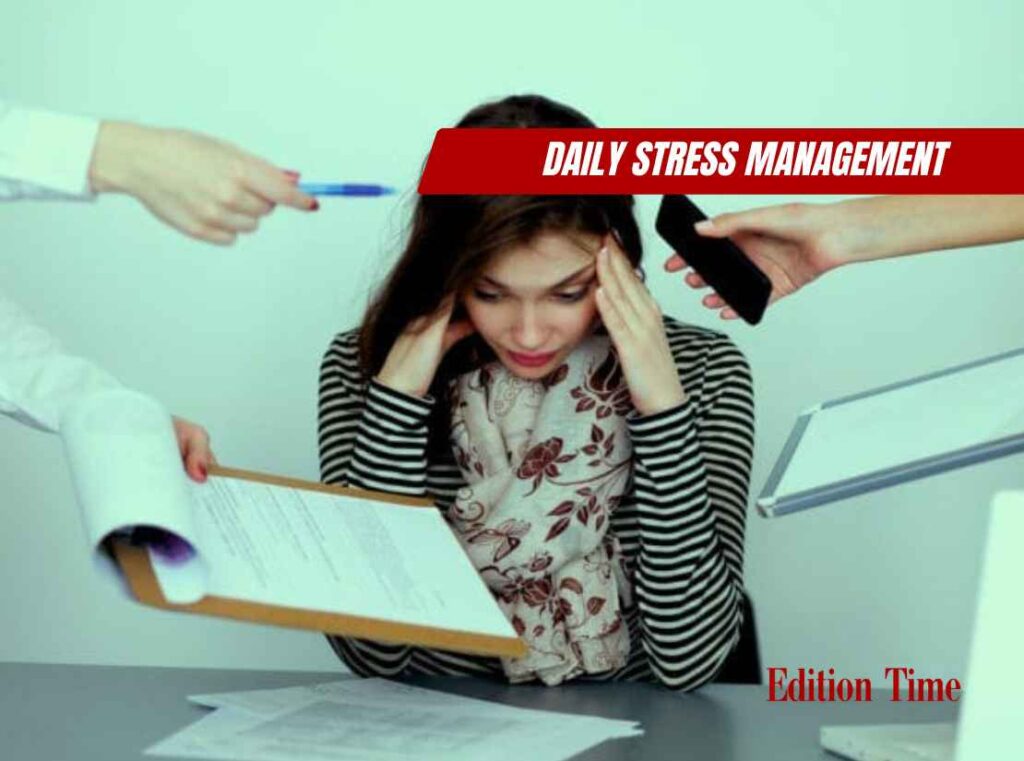
Master daily stress management with proven techniques for busy lifestyles. Learn practical strategies to reduce stress, build resilience, and maintain mental wellness in everyday situations.
Three months ago, I realized that stress had become my default state. From the moment my alarm went off until I collapsed into bed at night, I lived in a constant state of tension—rushing through tasks, worrying about deadlines, and feeling like I was always behind on everything. What scared me most was that this perpetual stress had become so normal I’d stopped noticing it until my body started rebelling with headaches, insomnia, and constant fatigue.
The wake-up call came when my doctor told me my blood pressure was elevated and asked about my stress levels. I realized I couldn’t remember the last time I’d felt truly relaxed or at peace, even during activities I used to enjoy.
Learning to manage daily stress wasn’t about eliminating stressors from my life—that wasn’t realistic. It was about developing practical tools and strategies that I could use throughout the day to prevent stress from accumulating and overwhelming my system. The techniques I discovered didn’t require major life changes; they required small, consistent practices that fit into my actual routine.
If you’re feeling overwhelmed by the constant demands of daily life or recognize that stress has become your default mode, these proven strategies could help you reclaim a sense of calm and control within your busy schedule.
Understanding Daily Stress vs. Chronic Stress
Daily stress comes from the normal challenges and demands of everyday life, while chronic stress develops when these pressures accumulate without adequate recovery time.
Dr. Robert Sapolsky, a stress researcher at Stanford University, explains that “our stress response system evolved for acute challenges, not the constant low-level pressures of modern life. Daily stress management is about preventing the accumulation of stress hormones that leads to chronic health problems.”
Sources of Daily Stress
Work-related stressors include deadlines, meetings, difficult colleagues, and the pressure to multitask effectively.
Relationship demands from family, friends, and social obligations that require emotional energy and time management.
Financial pressures including bills, budgeting decisions, and economic uncertainty that create ongoing worry.
Time management challenges when responsibilities exceed available hours or when unexpected demands arise.
Technology overload from constant connectivity, information bombardment, and digital distractions.
I identified that my stress peaked during specific daily transitions—morning rush, lunch break decisions, and evening task overflow.
The Stress Accumulation Effect
Small stressors throughout the day compound if not addressed, creating an overall stress load that exceeds your coping capacity.
Stress hormones like cortisol remain elevated when you don’t have recovery periods between stressful events.
Physical tension accumulates in muscles, particularly the neck, shoulders, and jaw, creating discomfort that adds to stress.
Mental fatigue develops when you’re constantly in problem-solving mode without restorative activities.
Recognizing Your Stress Signals
Early warning signs include shallow breathing, muscle tension, irritability, or difficulty concentrating.
Physical symptoms like headaches, stomach upset, or changes in appetite often signal stress accumulation.
Behavioral changes such as increased caffeine consumption, social withdrawal, or procrastination indicate stress overload.
Emotional indicators include feeling overwhelmed, impatient, or emotionally reactive to minor situations.
Morning Stress Prevention Strategies
How you start your day sets the tone for your stress levels and resilience throughout the day.
Creating a Calm Morning Routine
Wake up 15-30 minutes earlier to eliminate the rushed feeling that creates immediate stress.
Prepare the night before by laying out clothes, preparing breakfast components, and organizing needed items.
Avoid checking email or news immediately upon waking to prevent external stressors from hijacking your mental state.
Include one enjoyable activity like listening to music, reading, or gentle stretching to start the day positively.
I transformed my mornings by preparing everything the night before and spending 10 minutes with coffee and music before starting my routine.
Mindful Morning Practices
Deep breathing exercises for 3-5 minutes can activate your parasympathetic nervous system before daily demands begin.
Gratitude practice of noting three positive things helps establish a positive mindset for the day.
Intention setting by choosing one priority or positive focus for the day provides direction and purpose.
Gentle movement like stretching or yoga helps release overnight muscle tension and energizes your body.
Nutrition for Stress Resilience
Balanced breakfast with protein and complex carbohydrates provides steady energy and blood sugar stability.
Limit caffeine to avoid jittery feelings that can increase anxiety and stress sensitivity.
Hydration throughout the morning supports cognitive function and physical well-being.
Avoid starting the day with sugar-heavy foods that create energy crashes and increase stress vulnerability.
Workplace Stress Management
Managing stress during work hours requires strategies that fit into professional environments and busy schedules.
Micro-Breaks for Stress Relief
Take 2-3 conscious breaths between tasks or meetings to reset your nervous system.
Look away from screens every 20 minutes and focus on something distant to reduce eye strain and mental fatigue.
Stand and stretch briefly every hour to release physical tension and improve circulation.
Step outside for a few minutes when possible to get fresh air and natural light.
I set hourly phone reminders for micro-breaks and found they significantly reduced my end-of-day exhaustion.
Managing Information Overload
Batch similar tasks like email checking or phone calls to reduce constant task-switching stress.
Set specific times for checking emails rather than responding to every notification immediately.
Use the two-minute rule for small tasks—if it takes less than two minutes, do it now; otherwise, schedule it.
Prioritize ruthlessly by identifying the most important tasks and focusing on those first.
Workplace Boundary Setting
Learn to say no to non-essential requests that would overload your schedule.
Communicate realistic timelines for projects rather than agreeing to unrealistic deadlines.
Take your full lunch break away from your desk to create mental separation from work demands.
Limit after-hours work communication to prevent work stress from invading personal time.
Dealing with Difficult Situations
Pause before reacting to frustrating emails, comments, or situations to prevent stress-driven responses.
Reframe challenges as problems to solve rather than threats to your well-being.
Focus on what you can control rather than spending energy on factors outside your influence.
Use neutral language in difficult conversations to prevent escalation and reduce interpersonal stress.
Evening Stress Recovery
How you end your workday significantly affects your ability to recover from stress and prepare for restful sleep.
Transition Rituals
Create a clear boundary between work and personal time through a specific ritual or activity.
Change clothes to signal the shift from work mode to relaxation mode.
Review the day briefly to acknowledge accomplishments and mentally close work tasks.
Set intentions for the evening that focus on rest, connection, or enjoyable activities.
My transition ritual includes changing clothes, making tea, and spending 5 minutes outside to mentally shift gears.
Physical Stress Release
Gentle exercise like walking, yoga, or stretching helps metabolize stress hormones accumulated during the day.
Progressive muscle relaxation systematically releases tension held in different muscle groups.
Hot bath or shower can help relax tense muscles and create a physical transition to evening.
Massage using tennis balls, foam rollers, or self-massage techniques releases physical stress.
Mental Stress Processing
Journaling for 10-15 minutes helps process the day’s events and clear mental clutter.
Gratitude practice shifts focus from daily stressors to positive experiences and accomplishments.
Worry time involves setting aside 15 minutes to actively worry, then consciously letting go of concerns.
Creative activities like drawing, music, or crafting engage different parts of your brain and provide stress relief.
Quick Stress Relief Techniques
These techniques can be used anywhere to provide immediate stress relief during challenging moments.
Breathing Techniques
4-7-8 breathing (inhale 4, hold 7, exhale 8) quickly activates your relaxation response.
Box breathing (equal counts for inhale, hold, exhale, hold) helps regulate your nervous system.
Belly breathing engages your diaphragm and provides deeper stress relief than shallow chest breathing.
Counted breathing simply counting breaths to 10 and starting over provides mental focus and calm.
I keep breathing techniques simple because complex instructions are hard to remember during stressful moments.
Grounding Techniques
5-4-3-2-1 technique (notice 5 things you see, 4 you hear, etc.) brings attention to the present moment.
Physical grounding like pressing your feet into the floor or holding a textured object provides immediate centering.
Name categories like colors, animals, or foods to engage your thinking brain and reduce emotional overwhelm.
Temperature changes like cold water on wrists or holding ice can interrupt stress responses.
Mindfulness Moments
Single-tasking by focusing completely on one activity at a time reduces mental overwhelm.
Mindful eating during meals provides natural stress breaks and improves digestion.
Walking meditation combines gentle movement with mindful attention to surroundings.
Body scan briefly checking for tension and consciously relaxing tense areas.
Building Long-Term Stress Resilience
Effective stress management involves building your overall capacity to handle stress rather than just managing acute symptoms.
Regular Self-Care Practices
Consistent sleep schedule with 7-9 hours of quality sleep supports stress resilience and emotional regulation.
Regular exercise that you enjoy provides natural stress relief and builds physical resilience.
Healthy nutrition with regular meals and limited caffeine supports stable energy and mood.
Social connections with supportive people provide emotional resources during stressful periods.
Stress-Resistant Thinking
Realistic expectations about what you can accomplish reduce the stress of impossible standards.
Flexible thinking helps you adapt when plans change rather than becoming stressed by unexpected events.
Problem-solving focus on solutions rather than ruminating about problems reduces stress duration.
Acceptance of imperfection reduces the stress of trying to control everything in your environment.
I learned to ask myself “Will this matter in five years?” to put daily stressors in perspective.
Time and Energy Management
Energy management throughout the day by matching high-energy tasks with peak energy times.
Realistic scheduling that includes buffer time for unexpected delays or tasks.
Delegation of tasks that others can do, freeing your energy for priorities only you can handle.
Regular planning sessions to organize upcoming responsibilities and reduce mental load.
Stress Prevention Strategies
Anticipate stressful periods and plan extra support or reduced responsibilities during those times.
Create systems for routine tasks to reduce daily decision fatigue and mental load.
Maintain margins in your schedule rather than booking every available moment.
Regular stress assessment to notice when stress levels are building before they become overwhelming.
Technology and Stress Management
Modern technology can either increase or decrease stress depending on how consciously you use it.
Digital Boundaries
Phone-free zones during meals, conversations, or relaxation time prevent digital stress intrusion.
Notification management by turning off non-essential alerts reduces constant interruption stress.
Social media limits prevent comparison stress and information overload that social platforms can create.
Evening device curfews improve sleep quality and provide mental recovery time.
Technology as Stress Relief Tool
Meditation apps provide guided stress relief practices that fit into busy schedules.
Nature sounds or calming music can mask stressful environmental noise.
Reminder apps for self-care activities help maintain stress-management practices.
Calendar blocking for breaks and self-care prevents overscheduling that creates stress.
I use my phone’s Do Not Disturb feature during focused work time and evening relaxation to reduce digital stress.
Creating Your Personal Stress Management Plan
Effective stress management requires identifying what works specifically for your lifestyle, personality, and stress patterns.
Assessing Your Stress Patterns
Track stress levels throughout the day for one week to identify peak stress times and triggers.
Notice physical signs of stress in your body to develop early warning awareness.
Identify your stressors by categories (work, relationships, finances, health) to target interventions.
Recognize your stress responses including behavioral, emotional, and physical reactions.
Choosing Your Techniques
Start with 2-3 techniques that appeal to you rather than trying to implement everything at once.
Match techniques to situations—breathing for acute stress, exercise for daily stress release, planning for overwhelm.
Practice during calm times so techniques are readily available during stressful moments.
Adjust based on results by continuing what works and trying alternatives for what doesn’t help.
Building Consistency
Link stress management to existing habits like having coffee, commuting, or bedtime routines.
Set realistic goals like “three deep breaths before meetings” rather than “meditate for an hour daily.”
Track practice without judging missed days—consistency matters more than perfection.
Celebrate progress in stress management rather than focusing only on remaining stress.
My stress management plan includes morning breathing, midday walks, and evening journaling—simple practices that fit my actual schedule.
When Stress Becomes Overwhelming
Professional support may be needed when daily stress management techniques aren’t sufficient or when stress significantly impacts your functioning.
Signs You Need Additional Support
Persistent physical symptoms like headaches, insomnia, or digestive issues that don’t improve with stress management.
Difficulty functioning at work, in relationships, or in daily activities due to stress levels.
Increased substance use to cope with stress or anxiety about stress levels.
Feelings of hopelessness or inability to cope with normal life demands.
Professional Resources
Primary care physicians can assess whether stress is affecting your physical health and suggest treatments.
Mental health counselors can provide specialized stress management techniques and address underlying issues.
Employee assistance programs often offer stress management resources and counseling services.
Stress management classes provide group learning and support for developing stress resilience.
Daily stress management has become one of the most valuable skills I’ve developed for overall well-being and life satisfaction. The goal isn’t to eliminate all stress from life—that’s neither possible nor desirable—but to develop the tools and resilience to handle stress effectively.
The most powerful stress management techniques are often the simplest ones practiced consistently rather than complex interventions used occasionally. Small, daily practices compound over time to create significant improvements in stress resilience and overall quality of life.
Investing time in stress management isn’t selfish—it’s essential for maintaining the energy and emotional resources needed to handle life’s inevitable challenges while still enjoying the positive aspects of your daily experience.


