
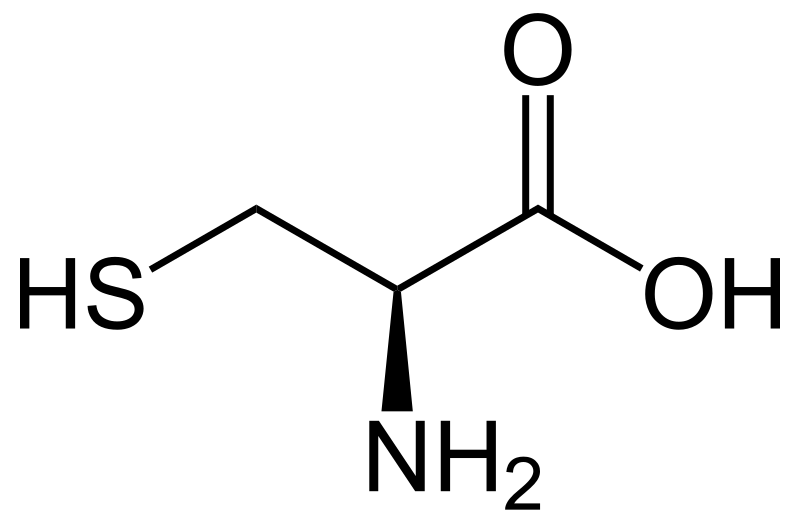
Cysteine is an amino acid found in various foods, including meat, dairy products, vegetables, and even some plant-based options. This essential nutrient plays a crucial role in maintaining overall health, particularly for individuals with specific dietary needs or metabolic disorders. In this article, we’ll delve into the world of cysteine, exploring its benefits, sources, and potential drawbacks.
What is Cysteine?
Cysteine is an amino acid that belongs to the non-essential category, meaning our bodies can synthesize it on their own. However, supplementing with cysteine can be beneficial, especially for individuals who require more of this nutrient due to age, health conditions, or dietary restrictions.
Who Needs Cysteine?
Certain groups of people may benefit from increased cysteine intake:
- Older adults: As we age, our bodies’ ability to produce cysteine decreases. Supplementing with cysteine can help maintain healthy skin, hair, and nails.
- Infants and toddlers: Young children require cysteine for growth and development. Inadequate intake can lead to nutritional deficiencies and health issues.
- Individuals with metabolic disorders: Certain conditions, such as phenylketonuria (PKU), may necessitate a diet rich in cysteine.
Benefits of Cysteine
Cysteine offers numerous benefits for overall health:
- Stomach health: Cysteine promotes the growth of beneficial gut bacteria, supporting a healthy digestive system.
- Skin and hair care: This amino acid helps maintain skin elasticity, reduces fine lines, and strengthens hair follicles.
- Antioxidant properties: Cysteine acts as an antioxidant, shielding cells from oxidative stress and damage caused by free radicals.
- Arthritis relief: Supplementing with cysteine may help alleviate arthritis symptoms, such as joint pain and inflammation.
- Sun protection: Cysteine helps neutralize UV radiation, reducing the risk of skin cancer and sunburn.
Food Sources
Cysteine is present in various foods, including:
- Meat (beef, pork, lamb)
- Dairy products (milk, cheese, yogurt)
- Vegetables (broccoli, cauliflower, Brussels sprouts)
- Fruits (avocados, bananas, berries)
- Legumes (lentils, chickpeas, black beans)
Potential Drawbacks
While cysteine is generally considered safe, excessive intake can lead to:
- Kidney strain: High doses of cysteine may put pressure on the kidneys, potentially causing damage.
- Allergic reactions: Some individuals may experience allergic reactions, such as nausea, vomiting, and skin rashes.
Dosage and Precautions
When supplementing with cysteine, it’s essential to follow these guidelines:
- Recommended daily intake: For adults, the optimal dosage ranges from 500 mg to 1.5 grams per day.
- Pregnancy and breastfeeding: Women should consult their healthcare provider before taking cysteine supplements.
- Diabetes management: Individuals with diabetes should monitor their blood sugar levels closely while taking cysteine supplements.
Benefits of Cysteine for Skin Health
Cysteine plays a crucial role in maintaining healthy skin, and its benefits are numerous:
- Moisturizing properties: Cysteine helps retain moisture in the skin, reducing dryness and flakiness.
- Collagen production: This amino acid stimulates collagen production, which can improve skin elasticity and reduce wrinkles.
- Antioxidant effects: Cysteine’s antioxidant properties help protect the skin from oxidative stress caused by free radicals.
Benefits of Cysteine for Hair Health
Cysteine is also essential for maintaining healthy hair:
- Stronger hair follicles: This amino acid helps strengthen hair follicles, reducing breakage and promoting growth.
- Improved scalp health: Cysteine promotes a healthy scalp environment, reducing dandruff and other scalp issues.
- Reduced frizz: Cysteine’s moisturizing properties can help reduce frizz and add shine to the hair.
Benefits of Cysteine for Joint Health
Cysteine may also have benefits for joint health:
- Inflammation reduction: This amino acid has anti-inflammatory properties, which can help reduce inflammation caused by arthritis.
- Joint pain relief: Supplementing with cysteine may help alleviate joint pain and stiffness.
- Improved flexibility: Cysteine’s antioxidant properties can help improve flexibility and range of motion.
Conclusion
Cysteine is an essential nutrient that offers numerous health benefits, particularly for individuals with specific dietary needs or metabolic disorders. By incorporating foods rich in cysteine into your diet and considering supplements if necessary, you can maintain overall health and well-being.
Frequently Asked Questions (FAQs)
- Q: Can I get enough cysteine from my diet?
A: Yes, but if you have a restricted diet or require more cysteine due to age or health conditions, supplementing may be necessary. - Q: Is cysteine safe for pregnant women?
A: Women should consult their healthcare provider before taking cysteine supplements during pregnancy or breastfeeding. - Q: How much cysteine do I need to take daily?
A: The optimal dosage varies from 500 mg to 1.5 grams per day, depending on age and individual needs. - Q: Can I combine cysteine with other supplements?
A: Consult your healthcare provider before combining cysteine with other supplements, as interactions may occur. - Q: Are there any long-term side effects of taking cysteine supplements?
A: Potential side effects include kidney strain, allergic reactions, and digestive issues. Monitor your health closely while taking cysteine supplements.
Incorporating Cysteine into Your Diet
To maximize the benefits of cysteine, incorporate foods rich in this amino acid into your diet:
- Eat lean meats: Choose lean meats like chicken, turkey, and fish to get a boost of cysteine.
- Consume dairy products: Milk, cheese, and yogurt are all good sources of cysteine.
- Try plant-based options: Legumes, nuts, and seeds can provide cysteine-rich alternatives to meat and dairy products.
- Consider supplements: If you’re struggling to get enough cysteine from your diet, consider supplementing with a high-quality amino acid.
Conclusion
Cysteine is an essential nutrient that plays a crucial role in maintaining overall health. By understanding its benefits, sources, and potential drawbacks, you can make informed decisions about incorporating this nutrient into your diet or supplement routine. Remember to consult your healthcare provider before taking cysteine supplements, especially if you have specific dietary needs or health conditions.


