
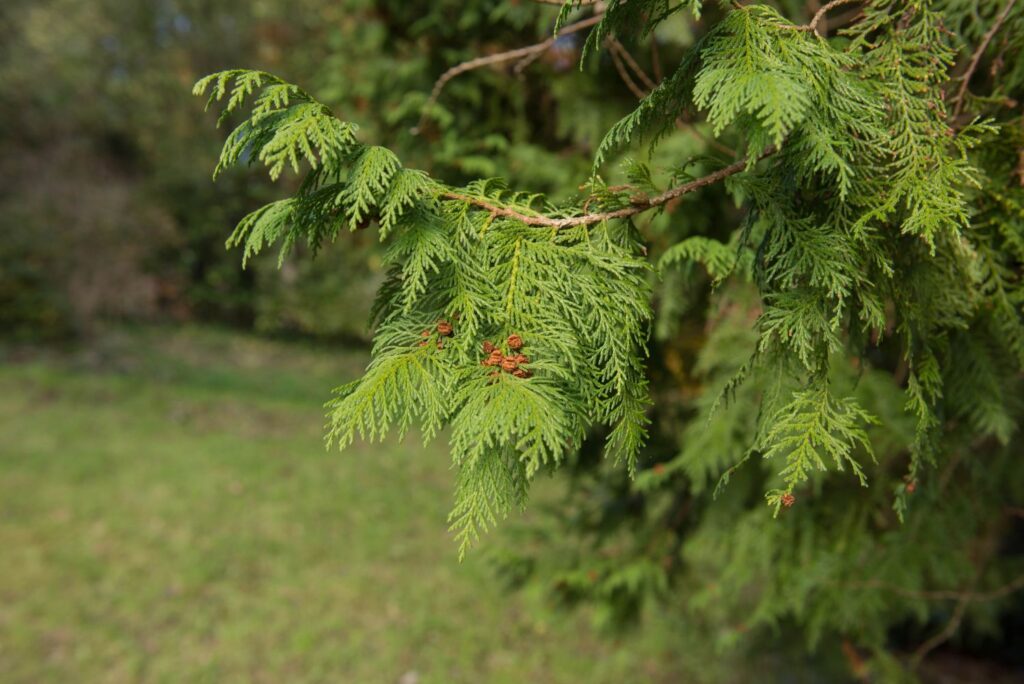
As one of the oldest living tree species, the cypress can live for over 500 years. Its unique characteristics make it an ideal choice for urban landscaping and embellishing small green spaces. In this article, we’ll delve into the fascinating world of the cypress tree, exploring its needs, features, and uses.
Characteristics and Growth Habits
The cypress tree grows upwards, reaching heights of over 35 meters with a trunk diameter rarely exceeding 1 meter. This makes it an excellent choice for small gardens or as a standalone plant. When grown in groups, the cypress can form dense clusters, creating a natural hedge or screen.
One of the most striking features of the cypress is its ability to thrive in harsh conditions. It’s well-suited for Mediterranean climates, tolerating extreme temperatures, irregular rainfall patterns, and even drought. In fact, it can survive without irrigation, making it an excellent choice for low-maintenance gardens.
Adaptability and Hardiness
The cypress tree is incredibly adaptable, thriving on various soil types, including clay, limestone, poor, rocky, and compact soils. It’s particularly resilient to acidic and alkaline conditions, making it a versatile option for gardeners. However, it’s not suitable for wet or sandy soils.
While the cypress can tolerate cold temperatures, it’s more sensitive in its early years. Mature trees, on the other hand, can withstand temperatures as low as -10°C. The only significant concern is snowfall, which can break branches under heavy loads.
Uses and Applications
The cypress tree has a multitude of uses, from landscaping to hedges and screens. Its dense foliage makes it an excellent choice for:
- Boundary definition: Cypress trees can be used to create natural barriers or delimit entranceways.
- Hedging: Dense clusters of cypress trees can form effective screens or hedges.
- Ornamental purposes: The cypress tree’s unique shape and conical crown make it a popular choice for landscaping.
Cultivation in Italy and Tuscany
The cypress tree is an integral part of the Italian landscape, with many notable examples throughout the country. In Tuscany, the city of Bolgheri features a stunning avenue of cypress trees, dating back to the 19th century.
These iconic avenues are not only visually striking but also hold cultural significance. They’re often associated with ancient traditions and customs, adding to their allure.
Allergies and Sensitivities
While the cypress tree is a beautiful addition to any landscape, it can trigger allergic reactions in some individuals. If you suffer from allergies, consider reading our article on “Cypress: Flooding and Allergy” for more information.
Care and Maintenance
To ensure your cypress tree thrives, follow these care tips:
- Planting: Plant the cypress tree in well-draining soil to prevent waterlogged roots.
- Watering: Water the tree regularly during its first year, but avoid overwatering.
- Pruning: Prune the tree annually to maintain its shape and promote healthy growth.
The Benefits of Cypress Trees
In addition to their aesthetic appeal, cypress trees offer numerous benefits for the environment and human health. Some of these benefits include:
- Air Purification: Cypress trees are known to purify the air by removing pollutants and toxins.
- Noise Reduction: The dense foliage of cypress trees can help reduce noise pollution in urban areas.
- Biodiversity: Cypress trees provide habitat for various wildlife species, supporting biodiversity.
The History of Cypress Trees
Cypress trees have been used for centuries in landscaping and other applications. In ancient Greece, cypress trees were often used as a symbol of mourning and death.
In medieval Europe, cypress trees were believed to have healing properties, with some cultures using them to treat various ailments. Today, the cypress tree remains a popular choice for gardeners seeking low-maintenance options.
Conclusion
The ancient cypress tree is a true marvel of nature, with its incredible resilience and versatility making it an ideal choice for urban landscapes and small gardens. Whether used as a standalone plant or in groups, the cypress tree can add beauty and structure to any setting. With proper care and maintenance, your cypress tree will thrive for generations to come.
Additional Resources
- Cypress Tree Care: Learn more about caring for your cypress tree with our comprehensive guide.
- Cypress Tree Types: Discover the different types of cypress trees available, including Monterey Cypress, Cyprus Pine, and Cyprus Cypresses.
- Cypress Trees in Landscape Design: Explore how to incorporate cypress trees into your landscape design, from hedges to screens.


