
Ciclotimia is often misunderstood as a lesser version of bipolar disorder, but it’s actually a distinct condition that affects millions worldwide. In this article, we’ll delve into the world of ciclotimia, exploring its definition, symptoms, diagnosis, treatment, and more.
What is Ciclotimia?
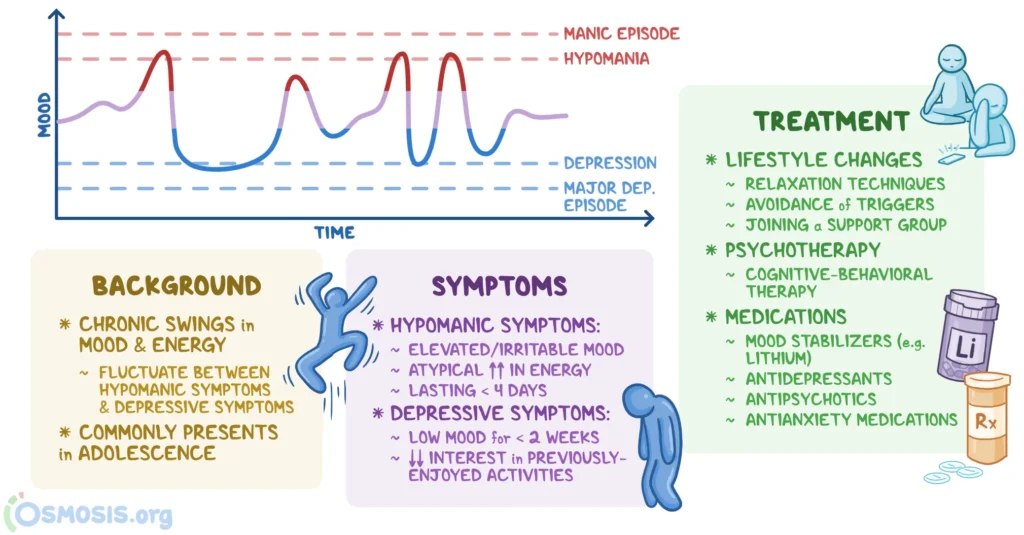
Ciclotimia is an emotional disorder characterized by alternating episodes of depression and hypomania. Unlike bipolar disorder, which involves full-blown manic episodes, ciclotimia features a subtle shift in mood, often manifesting as mild irritability or apathy. It’s essential to note that ciclotimia is not a diagnosis in itself but rather a description of the symptoms.
Signs and Symptoms
The key to understanding ciclotimia lies in recognizing its unique symptoms. The disorder typically presents with:
- Depressive episodes: feelings of sadness, hopelessness, and low self-esteem
- Hypomanic episodes: periods of increased energy, irritability, and grandiosity
- Intermittent mood swings: shifts between depressive and hypomanic states can occur suddenly or gradually
During the depressive phase, individuals may experience:
- Difficulty making decisions
- Concentration and memory problems
- Guilt and low self-esteem
- Loss of appetite and interest in sex
- Insomnia
In contrast, during the hypomanic phase, people may exhibit:
- Euphoria and excessive optimism
- Self-importance and grandiosity
- Restlessness and agitation
- Impulsive behavior
- Excessive spending and exhibitionism
Diagnostic Criteria
To diagnose ciclotimia, a mental health professional will typically use the following criteria:
- Duration: Symptoms must have lasted for at least two years, with alternating episodes of depression and hypomania.
- Frequency: Episodes of depression and hypomania must occur regularly, often on a daily or weekly basis.
- Severity: Symptoms must be severe enough to impact daily life and relationships.
- Symptom pattern: The disorder must exhibit a distinct pattern of alternating depressive and hypomanic episodes.
Diagnostic Tools
Mental health professionals may use various diagnostic tools to assess symptoms, including:
- The Diagnostic and Statistical Manual of Mental Disorders (DSM-5): A comprehensive guide used to diagnose mental health conditions.
- The International Classification of Diseases (ICD-10): A global standard for classifying mental health disorders.
- Self-report questionnaires: Online or in-person assessments that ask individuals about their symptoms and experiences.
Treatment Options
Ciclotimia treatment focuses on managing symptoms, reducing the risk of complications, and improving quality of life. Common approaches include:
- Medications: mood stabilizers (e.g., lithium), anticonvulsants, antidepressants
- Therapy: cognitive-behavioral therapy (CBT), psychodynamic therapy, family therapy
- Lifestyle changes: regular exercise, balanced diet, stress management techniques
Treatment Strategies
Individuals with ciclotimia may benefit from various treatment strategies, including:
- Medication management: Working closely with a mental health professional to find the right medication and dosage.
- Therapy sessions: Regular sessions to address underlying issues and develop coping strategies.
- Support groups: Connecting with others who understand the challenges of ciclotimia can be incredibly helpful.
Living with Ciclotimia
Ciclotimia can be a challenging condition to navigate, but with the right support and treatment, it’s possible to lead a fulfilling life. Here are some key takeaways:
- Seek professional help: Don’t hesitate to consult a mental health expert if you suspect you or someone close is struggling with ciclotimia.
- Develop coping strategies: Engage in activities that bring joy and relaxation, such as exercise, creative pursuits, or spending time with loved ones.
- Join a support group: Connecting with others who understand the challenges of ciclotimia can be incredibly helpful.
Conclusion
Ciclotimia is a complex condition that requires attention, understanding, and compassion. By recognizing its unique symptoms and treatment options, individuals and families can take the first step towards managing this emotional disorder and living a more balanced life.
Frequently Asked Questions
- Q: Is ciclotimia a diagnosis or a description of symptoms?
A: Ciclotimia is not a standalone diagnosis but rather a description of alternating episodes of depression and hypomania. - Q: How long must symptoms persist before seeking treatment?
A: A minimum of two years of symptoms is typically required for an accurate diagnosis. - Q: Can ciclotimia be treated with medication alone?
A: While medications can help manage symptoms, therapy is often necessary to address underlying issues and promote long-term recovery. - Q: How common is ciclotimia in the general population?
A: Ciclotimia affects approximately 1-2% of the global population, making it a relatively rare condition compared to other mental health disorders. - Q: Can ciclotimia be treated with lifestyle changes alone?
A: While lifestyle modifications can help manage symptoms, they are often insufficient on their own and may require additional therapy or medication. - Q: Is ciclotimia more common in men or women?
A: Ciclotimia affects both men and women, but research suggests that it may be slightly more prevalent in women. - Q: Can ciclotimia be inherited?
A: While there is no clear evidence of a genetic link to ciclotimia, family history can play a role in the development of the condition. - Q: How long does treatment typically last?
A: Treatment duration varies depending on individual circumstances, but it’s often necessary for several months or even years to achieve optimal results.
References
- American Psychiatric Association. (2013). Diagnostic and statistical manual of mental disorders (5th ed.). Arlington, VA: American Psychiatric Publishing.
- American Psychological Association. (2020). Understanding ciclotimia: A guide for individuals and families. Retrieved from https://www.apa.org/topics/ciclotimia
- National Institute of Mental Health. (2020). Bipolar disorder: Symptoms & causes. Retrieved from https://www.nimh.nih.gov/health/publications/bipolar-disorder/symptoms-causes/index.shtml
Remember, ciclotimia is a treatable condition that requires patience, understanding, and support. By seeking help and working with a mental health professional, you can take control of your symptoms and improve your quality of life.


