
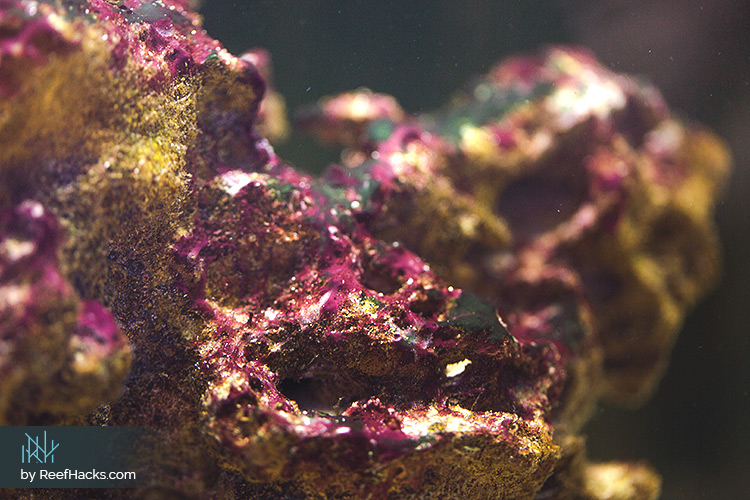
As a marine aquarium enthusiast, you’re likely no stranger to the challenges of maintaining a healthy and thriving ecosystem. One common issue that can arise is the presence of cyanobacteria in your tank. These microorganisms can cause a range of problems, from unsightly algae blooms to toxic waste products. In this article, we’ll explore what causes cyanobacteria in aquariums, how to eliminate them, and provide practical tips for preventing their growth.
What are Cyanobacteria?
Cyanobacteria are a type of bacteria that thrive in aquatic environments. They’re known for their ability to produce toxins, which can be harmful to fish and other aquatic organisms. In aquariums, cyanobacteria can form colonies on rocks, substrates, and even the glass walls of the tank.
Why do Cyanobacteria Grow in Aquariums?
There are several reasons why cyanobacteria can grow in aquariums:
- Insufficient Lighting: Low light levels can lead to an overgrowth of cyanobacteria. This is because these microorganisms thrive in low-light conditions, where they can photosynthesize and produce toxins.
- Inadequate Filtration: Poor filtration can allow excess nutrients to build up in the tank, creating an ideal environment for cyanobacteria growth.
- Poor Water Quality: High levels of nitrates, phosphates, and other nutrients can contribute to the growth of cyanobacteria.
- Inadequate Maintenance: Failure to perform regular water changes, clean the gravel, or replace old equipment can all contribute to the growth of cyanobacteria.
Eliminating Cyanobacteria from Your Aquarium
While it may seem daunting, eliminating cyanobacteria from your aquarium is definitely possible with the right techniques and precautions. Here are some steps you can take:
- Reduce Lighting: If your tank is experiencing an algae bloom, try reducing the lighting to a lower level. This can help slow down the growth of cyanobacteria.
- Increase Filtration: Increase the filtration rate in your tank to remove excess nutrients and waste products that contribute to cyanobacteria growth.
- Perform Regular Water Changes: Regular water changes are essential for maintaining good water quality and preventing the buildup of toxins that can fuel cyanobacteria growth.
- Use a High-Quality Filter Media: Using a high-quality filter media can help remove excess nutrients and waste products from the tank, reducing the risk of cyanobacteria growth.
Preventing Cyanobacteria Growth in Your Aquarium
While it’s possible to eliminate cyanobacteria from your aquarium, preventing their growth is often easier. Here are some tips for maintaining a healthy and toxin-free environment:
- Maintain Good Water Quality: Regular water changes, adequate filtration, and proper nutrient management can all help prevent the growth of cyanobacteria.
- Provide Adequate Lighting: Ensure that your tank has sufficient lighting to support the growth of algae-eating organisms, such as herbivorous fish or invertebrates.
- Monitor Your Tank’s Biochemical Parameters: Regularly test for ammonia, nitrite, and nitrate levels to ensure that your tank is not experiencing a buildup of toxins.
Cyanobacteria Predators: A Natural Solution
One natural solution for controlling cyanobacteria growth is by introducing predators into your aquarium. These microorganisms feed on cyanobacteria, helping to regulate their populations. Some examples of cyanobacteria predators include:
- Lactoria Cornuta: This species of fish is known to feed on cyanobacteria and other algae.
- Amblygobius Phalaena: This species of fish also feeds on cyanobacteria and other microorganisms.
Algae Control Methods
In addition to introducing predators, there are several other methods you can use to control cyanobacteria growth in your aquarium:
- Use an Algaecide: An algaecide is a chemical treatment that can be applied to the tank to kill algae and cyanobacteria. However, be careful when using these products, as they can also harm fish and other aquatic organisms.
- Increase Water Circulation: Increasing water circulation in your tank can help prevent stagnation and reduce the risk of cyanobacteria growth.
- Use a Canopy or Hood: A canopy or hood can help block out excessive sunlight and reduce algae growth.
Tank Maintenance
Regular maintenance is essential for preventing cyanobacteria growth in your aquarium. Here are some tasks you should perform regularly:
- Clean the Gravel: Regularly cleaning the gravel can help remove excess nutrients that contribute to cyanobacteria growth.
- Replace Old Equipment: Replacing old equipment, such as filters and heaters, can help prevent stagnation and reduce the risk of cyanobacteria growth.
- Monitor Water Parameters: Regularly testing for ammonia, nitrite, and nitrate levels can help ensure that your tank is not experiencing a buildup of toxins.
Conclusion
Cyanobacteria can be a significant problem in aquariums, but with the right techniques and precautions, it’s possible to eliminate them. By maintaining good water quality, providing adequate lighting, and monitoring your tank’s biochemical parameters, you can prevent the growth of these microorganisms. Additionally, introducing predators into your aquarium can provide a natural solution for controlling cyanobacteria populations.
FAQs
Q: How do I know if my tank is experiencing cyanobacteria growth?
A: Look for signs such as an algae bloom, cloudy water, or the presence of toxic waste products like ammonia and nitrite.
Q: Can I use antibiotics to control cyanobacteria growth?
A: No, using antibiotics can be harmful to fish and other aquatic organisms. Instead, focus on maintaining good water quality and controlling nutrient levels.
Q: How often should I perform water changes to prevent cyanobacteria growth?
A: Perform regular water changes (about 10-15% every week) to maintain good water quality and remove excess nutrients that can fuel cyanobacteria growth.
Q: Can I use a UV sterilizer to control cyanobacteria growth?
A: Yes, using a UV sterilizer can be an effective way to kill cyanobacteria and other microorganisms in your tank. However, ensure that the device is properly maintained and calibrated to avoid over-sterilization.
By understanding the causes of cyanobacteria growth and implementing preventative measures, you can create a healthy and thriving aquarium environment for your fish and other aquatic organisms.


