
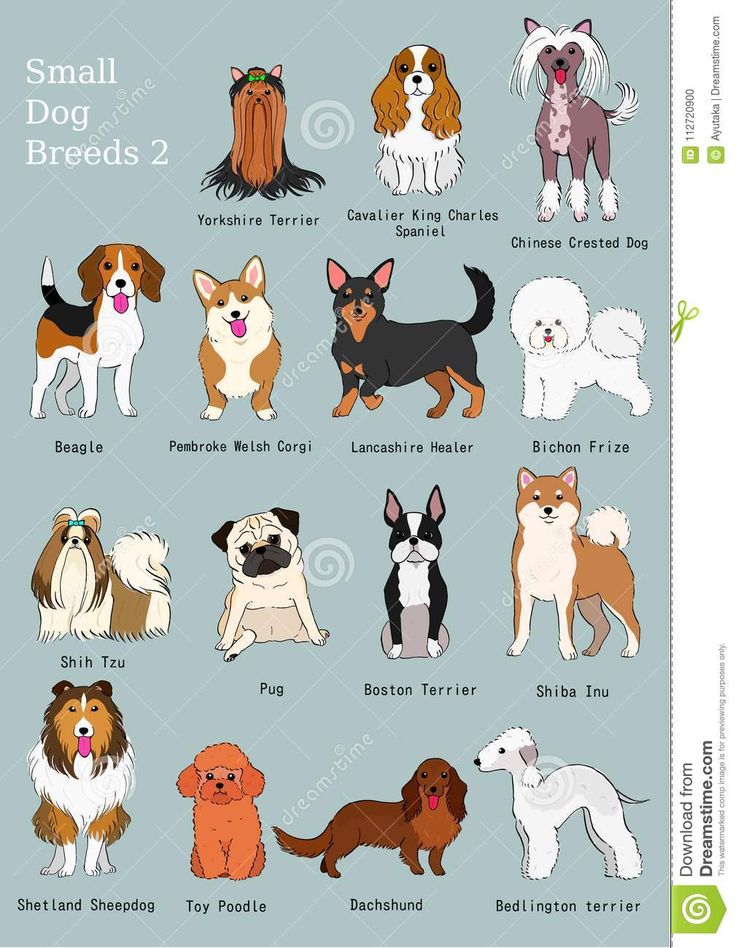
Are you ready to add a furry friend to your family? Look no further than the world of cuddly dogs! With their adorable faces, soft coats, and affectionate nature, it’s no wonder why so many people fall in love with these lovable canines. In this comprehensive guide, we’ll explore the characteristics of cuddly dogs, their needs and requirements, and provide expert tips on how to care for them.
Characteristics of Cuddly Dogs
Cuddly dogs are known for their affectionate and gentle nature, making them perfect companions for families or individuals who want a loyal friend. They come in a wide range of breeds, each with unique characteristics that make them special. Some popular breeds that fit the bill include:
- Cavalier King Charles Spaniel: Friendly, outgoing, and adaptable
- Chow Chow: Independent, loyal, and protective
- Samoyed: Intelligent, energetic, and playful
- Beagle: Curious, friendly, and energetic
- Boxer: Playful, loyal, and patient
- Basset Hound: Calm, gentle, and laid-back
These breeds have a range of characteristics that make them perfect for different types of owners. For example, Cavalier King Charles Spaniels are ideal for families with children, while Chow Chows are better suited for experienced dog owners.
What Makes Cuddly Dogs Special?
Cuddly dogs are special because they:
- Are gentle and patient, making them ideal for families with small children
- Are social and affectionate, loving to be around their owners
- Are intelligent and trainable, responding well to positive reinforcement techniques
- Have low-maintenance coats that require regular grooming
Caring for Cuddly Dogs
To keep your cuddly dog happy and healthy, you’ll need to provide:
- Proper Nutrition: Feed a high-quality diet that meets your dog’s nutritional needs. Avoid giving them human food or treats too frequently.
- Regular Grooming: Brush their coat regularly to prevent matting and tangling. Clean their ears weekly to prevent infections.
- Exercise: Provide regular exercise, such as daily walks or playtime in the park. This will help keep your dog physically and mentally healthy.
- Socialization: Expose your dog to new people, places, and experiences to help them become confident and calm in new situations.
- Training: Teach your dog basic obedience commands, such as sit, stay, and come.
Adopting a Cuddly Dog
If you’re thinking of adopting a cuddly dog, here are some tips:
- Research different breeds to find one that suits your lifestyle.
- Meet with breeders or rescue organizations to learn more about the dogs available.
- Spend time with the dogs to see which ones you connect with.
- Consider factors such as age, health, and energy level when making a decision.
Training Your Cuddly Dog
To ensure your cuddly dog becomes a well-behaved member of the family, consider:
- Positive Reinforcement Training: Reward good behavior with treats and praise.
- Socialization: Expose your dog to new people, places, and experiences to help them become confident and calm in new situations.
- Housebreaking: Teach your dog to eliminate outside by establishing a consistent routine and reward good behavior.
Common Health Issues
Some breeds are prone to certain health issues, such as:
- Cavalier King Charles Spaniels: Mitral valve disease, syringomyelia
- Chow Chows: Hip dysplasia, patellar luxation
- Samoyeds: Patellar luxation, hip dysplasia
- Beagles: Eye problems, allergies
- Boxers: Heart problems, allergies
- Basset Hounds: Ear infections, eye problems
Conclusion
Cuddly dogs bring joy and companionship into our lives. By understanding their characteristics, needs, and requirements, you can create a happy and healthy environment for your furry friend. With patience, love, and proper care, your cuddly dog will become an integral part of the family.
Here are some frequently asked questions about cuddly dogs:
Q: What is the best breed for a first-time dog owner?
A: Cavalier King Charles Spaniels or Beagles make great first-time dog owners due to their friendly, outgoing personalities and relatively low-maintenance coats.
Q: How often should I groom my cuddly dog’s coat?
A: Regular grooming is essential to prevent matting and tangling. Brush your dog’s coat at least 2-3 times a week, depending on the breed and length of their fur.
Q: Can cuddly dogs be left alone for extended periods?
A: While some breeds are more tolerant of being left alone than others, it’s still essential to provide regular exercise and mental stimulation to prevent boredom and anxiety.
Q: Are cuddly dogs suitable for families with young children?
A: Generally, yes! Cuddly dogs are known for their gentle nature and patient demeanor, making them an excellent choice for families with small children.
Q: How much exercise does my cuddly dog need?
A: The amount of exercise your cuddly dog needs depends on the breed and age. Aim for at least 30 minutes of moderate-intensity exercise per day.
Q: Can I train a cuddly dog to behave well in public?
A: Absolutely! Positive reinforcement training and socialization can help your cuddly dog become confident and calm in new situations.
Q: How much do cuddly dogs cost?
A: Adoption fees for cuddly dogs vary depending on the rescue organization or breeder. On average, you can expect to pay between $500-$2,000 for a purebred puppy or $100-$500 for an adopted adult dog.
Additional Tips
- Consider enrolling your dog in obedience training classes to help with socialization and training.
- Provide mental stimulation through puzzle toys and interactive games.
- Schedule regular veterinary check-ups to ensure your dog stays healthy.
- Be patient and understanding when your dog experiences setbacks or struggles with training.
By following these tips and guidelines, you can create a happy and healthy environment for your cuddly dog. Remember to always prioritize your dog’s needs and provide them with the love, care, and attention they deserve.


