
Understanding Cutaneous Candidiasis: Causes, Symptoms, and Treatment Options
Cutaneous candidiasis, also known as yeast skin infection, is a common fungal infection that affects millions of people worldwide. In this article, we will delve into the causes, symptoms, and treatment options for cutaneous candidiasis, as well as provide natural remedies to alleviate symptoms.
What is Cutaneous Candidiasis?
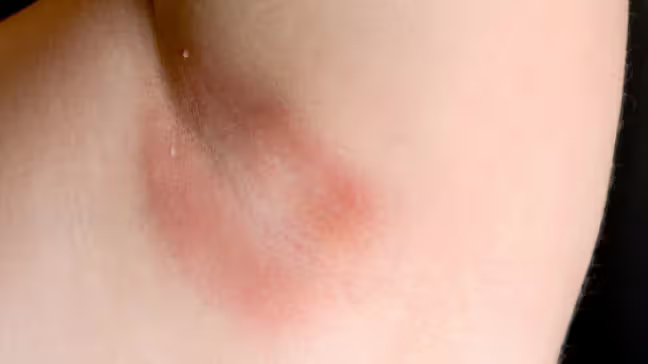
Cutaneous candidiasis is an infection caused by the fungus Candida albicans, which can grow on the skin. It usually manifests as superficial inflammation, often in areas such as the hands and feet, or mucous membranes like the vagina or mouth. However, there are more severe forms of the infection that can spread throughout the body via bloodstream or lymphatic system.
Types of Cutaneous Candidiasis
There are two main types of cutaneous candidiasis:
- Superficial and localized: This is the most common type, characterized by surface-level inflammation on areas like hands, feet, or mucous membranes.
- Deep-seated and disseminated: A rare but potentially life-threatening form that spreads throughout the body via bloodstream or lymphatic system.
Symptoms of Cutaneous Candidiasis
Common symptoms of cutaneous candidiasis include:
- Redness
- Itching
- Small, round, white spots on the skin (erythema)
- Crusting or oozing from affected areas
- Skin irritation
Causes of Cutaneous Candidiasis
Cutaneous candidiasis is often caused by an overgrowth of Candida albicans in the body. This can be triggered by various factors, including:
- Imbalanced gut microbiome: An imbalance of good and bad bacteria in the digestive system can lead to Candida overgrowth.
- Weakened immune system: People with compromised immune systems, such as those with HIV/AIDS or undergoing chemotherapy, are more susceptible to infections like cutaneous candidiasis.
- Hormonal changes: Hormonal fluctuations during pregnancy, menstruation, or menopause can lead to Candida overgrowth.
- Poor hygiene: Not washing the affected area properly or sharing personal items can spread Candida albicans.
Natural Remedies for Cutaneous Candidiasis
While medical treatment is usually necessary to clear up an infection, there are some natural remedies that can help alleviate symptoms and support overall health.
Dietary Changes
Reducing sugar intake can help starve the fungus of its preferred food source. Consuming too much sugar increases blood glucose levels, which in turn feed Candida growth. Additionally, incorporating foods rich in antioxidants and omega-3 fatty acids into your diet may aid in reducing inflammation.
Probiotics
Incorporating probiotics into your diet can help maintain a healthy gut microbiome and prevent Candida overgrowth. Probiotic supplements or probiotic-rich foods like yogurt, kefir, and fermented vegetables may be beneficial. Some studies have also suggested that certain types of probiotics, such as Lactobacillus acidophilus, can help reduce inflammation and improve skin health.
Avoiding Irritants
Using harsh soaps or perfumes can disrupt skin pH levels and worsen symptoms. Instead, opt for mild, fragrance-free cleansers and avoid exposure to potential irritants like chlorine in swimming pools or fragrances in cosmetics.
Reducing Stress
Stress can weaken the immune system, making it easier for Candida to infect the body. Engaging in stress-reducing activities like yoga, meditation, or deep breathing exercises may help alleviate symptoms.
Prevention Tips
To prevent cutaneous candidiasis, follow these tips:
- Wear loose-fitting clothes made from breathable fabrics
- Avoid sharing personal items like razors and makeup
- Keep the affected area clean and dry
- Practice good hygiene by washing your hands regularly
FAQs
- Is cutaneous candidiasis contagious?
- No, it’s not directly contagious, but the fungus can be spread through shared personal items or intimate contact.
- How do I treat cutaneous candidiasis naturally?
- Try dietary changes, probiotics, avoiding irritants, and reducing stress to alleviate symptoms.
- Can anyone get cutaneous candidiasis?
- Yes, but it’s more common in people with weakened immune systems or those who are prone to fungal infections.
Conclusion
Cutaneous candidiasis is a treatable condition that can be managed through dietary changes, probiotics, and other natural remedies. By understanding the causes and symptoms of this infection, individuals can take steps to prevent it and alleviate symptoms. Consult with a healthcare professional for proper diagnosis and treatment.
In addition to the treatments mentioned above, some natural supplements may help alleviate symptoms of cutaneous candidiasis:
- Vitamin C: High doses of vitamin C may help reduce inflammation and improve skin health.
- Tea tree oil: This essential oil has antifungal properties that can help combat Candida albicans.
- Garlic: Garlic contains compounds with antifungal properties that can help alleviate symptoms.
However, it is crucial to consult with a healthcare professional before using any supplements or natural remedies.


