
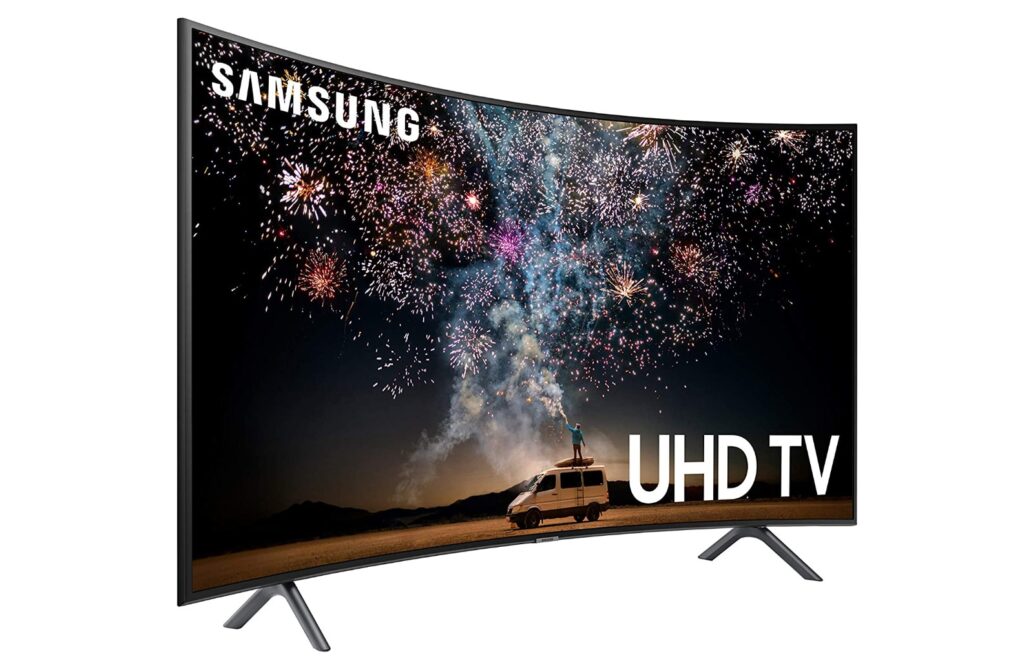
Have you seen the latest curved TVs from brands like Samsung and LG at CES in Las Vegas? Are you wondering if you should splurge on one of these sleek devices? Well, let’s dive into the world of curved screens and explore whether they’re worth the hype.
What’s Behind the Curved Screen Craze?
So, why do we need curved TVs after years of perfecting ultra-thin displays? From a technical standpoint, the answer lies in the immersive viewing experience provided by curved panels. Think of it as pseudo 3D – close, but not quite there. However, the real driver behind curved screens might be something else entirely.
Curved screens have become increasingly popular over the past few years, with many manufacturers jumping on the bandwagon to capitalize on this trend. Some claim that curved TVs offer a more cinematic experience, while others see it as a way to create a unique design statement in any living room. But what’s behind this sudden interest in curved screens?
One possibility is that consumers are looking for new ways to differentiate themselves from others and create a sense of exclusivity. For example, some luxury homes may feature large, curved TVs as part of their high-end entertainment systems. In these cases, the curved design becomes a status symbol rather than just a practical consideration.
Another factor contributing to the popularity of curved screens is the advancement of display technology. Improved OLED panels have enabled manufacturers to create larger, thinner, and more energy-efficient displays that can be bent into a curved shape without compromising on picture quality. This has opened up new possibilities for TV designers and consumers alike.
The Rise of Curved TVs
We’re seeing more and more curved TV models hitting the market, including LG’s OLED Curvo and Samsung’s UHD Curvo. While enthusiasm for these devices is growing, it’s not universal. At IFA 2014 in Turkey, some experts predicted that curved screens wouldn’t make a significant impact. Could this be due to envy?
Despite initial doubts, curved TVs have gained traction over the past few years. In fact, according to a recent market research report, the global TV market is expected to see a significant increase in demand for curved displays by 2025.
The Allure of Curved TVs as Decorative Pieces
Let’s take a closer look at the aesthetic appeal of curved TVs. They’re undoubtedly stylish and can become a design statement in any living room. However, is it worth compromising on functionality? Not if you consider the significant price tag associated with these devices.
Curved TVs are designed to make a statement, and they often come with a hefty price tag to match. For example, LG’s OLED Curvo model starts at around €6,000 for a 65-inch display, making it one of the priciest curved TVs on the market.
While some consumers might be willing to pay top dollar for a unique design statement, others may find the cost prohibitive. In these cases, opting for a smaller TV or a more affordable alternative might be a better option.
The Cost of Curved TV Ownership
One of the primary drawbacks of curved TVs is their high price point. But what about the additional costs associated with owning one? For example, will you need to purchase a special stand or mount to accommodate your curved TV?
Fortunately, many curved TVs come with standard mounting options that can be adjusted to fit different wall types and sizes. However, some consumers may still need to invest in specialized equipment to get the most out of their new display.
Another potential cost consideration is the energy consumption of curved TVs. While OLED panels are generally more energy-efficient than traditional LCD displays, curved screens often require more power to maintain their shape.
The Limitations of Curved Vision
Curved vision is an essential aspect of curved TVs, but it requires larger screens (at least 50-55 inches) to provide the best viewing experience. Anything less can lead to a poor viewing experience, with some areas of the screen appearing sharper than others.
Additionally, the limited angle of view means that viewers seated farther from the screen will have a poorer experience. This can be frustrating for those who prefer to watch TV or movies from across the room.
Is Curved TV the Future of Home Entertainment?
Some might argue that curved TVs are the future of home entertainment, while others see it as just a novelty for enthusiasts. While curved screens do offer an immersive viewing experience and make for a stylish decorative piece, they’re not quite there yet in terms of true 3D vision.
For now, let’s appreciate these devices for their unique aesthetic appeal rather than expecting them to revolutionize our living rooms. Curved TVs are more about creating a statement or enhancing the entertainment experience rather than providing a groundbreaking new technology.
Conclusion
Curved TVs have captured the attention of consumers worldwide, but are they worth the hype? While curved screens do provide an immersive viewing experience and make for a stylish decorative piece, their high price point and limitations in terms of vision angle hold them back. For now, let’s enjoy these devices as unique additions to our entertainment systems.
However, it’s essential to consider whether curved TVs are truly worth the investment. With ongoing advancements in display technology, we can expect to see even more innovative designs and features emerge in the future. As such, consumers should carefully weigh their options before making a purchase decision.
Frequently Asked Questions
Q: What is the main driver behind the rise of curved TVs?
A: The primary reason is the immersive viewing experience provided by curved panels, but there might be other factors at play.
Q: Are curved TVs worth the high price tag?
A: While they’re undoubtedly stylish, the significant cost associated with these devices might make them less appealing to some consumers.
Q: What are the key limitations of curved vision?
A: Curved vision requires larger screens (at least 50-55 inches) and can lead to a poor viewing experience if seated farther from the screen.
Q: Will curved TVs revolutionize home entertainment?
A: Not quite yet – while they offer an immersive viewing experience, true 3D vision remains elusive for now.
Q: Can curved TVs be used in small rooms or apartments?
A: Unfortunately, no – their limited angle of view means that viewers seated farther from the screen will have a poorer experience.
Q: Are there any eco-friendly options available for curved TVs?
A: Some manufacturers are exploring sustainable materials and bioplastics for future curved TV designs.
Q: Can I use a curved TV as a decorative piece outside of watching movies or TV shows?
A: Absolutely – curved TVs make for stunning wall decorations, showcasing their unique design.
Q: Will curved TVs become more affordable in the near future?
A: It’s possible that prices may decrease over time as technology improves and manufacturers find ways to reduce costs.


