
Cummin, also known as black cumin or Cuminum Cyminum, is one of the most beneficial and intriguing spices to discover. But do you use it? Where? How? And did you know why it’s so useful? Let’s explore the numerous benefits of cummin for our health and wellness.
What is Cummin?
Cummin is a spice made from the seeds of the Cuminum Cyminum plant, an herbaceous perennial native to Asia Minor. However, its origins are believed to be in Syria, while other varieties can be found in India, Iran, and other Middle Eastern countries.
Types of Cummin: Understanding the Varieties
There are several types of cummin, each with unique characteristics. The most well-known variety is the black cumin (Nigella sativa), which differs from the common cummin due to its distinct color and shape. Other varieties include Carvi (Carum carvi) and Bunium persicum.
Properties and Benefits of Cummin
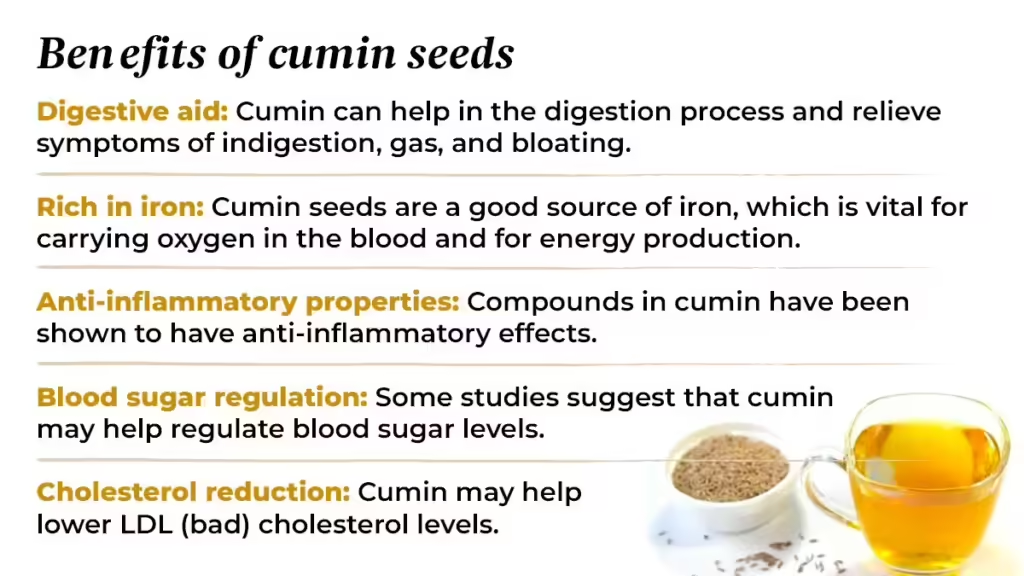
Cummin is renowned for its numerous health benefits, including:
- Antioxidant properties: Cummin has been shown to have high antioxidant activity, which can help protect cells from damage caused by free radicals.
- Anti-inflammatory effects: The anti-inflammatory compounds in cummin may help reduce inflammation and alleviate symptoms associated with conditions such as arthritis.
- Antimicrobial properties: Cummin’s antimicrobial properties make it an effective natural remedy for acne and skin issues.
- Digestive benefits: Cummin has been used to aid digestion and relieve symptoms of indigestion and bloating.
- Menstrual relief: Cummin may help alleviate menstrual cramps, bloating, and other symptoms associated with PMS.
The Science Behind Cummin’s Power
Research has shown that cummin contains a compound called thymol, which has antitumor properties and can help purify free radicals. This makes it an attractive natural remedy for preventing cell aging, cholesterol issues, and diabetes.
Using Cummin in Cooking
Cummin is commonly used in Middle Eastern and Asian cuisine for its unique flavor and aroma. It’s often added to curries, stews, and other dishes to enhance their taste. In Mexico, cummin is used to make a variation of guacamole, while in Spain, it’s incorporated into chili recipes.
The Culinary Art of Cummin
When cooking with cummin, remember that a little goes a long way. Start with small amounts and adjust to taste, as the flavor can be overpowering if overused. Combine it with other spices and herbs to create unique blends and flavors.
Some popular ways to use cummin in cooking include:
- Adding it to soups and stews for added depth of flavor
- Mixing it into spice blends for a boost of antioxidants
- Using it as a seasoning for meats, vegetables, and grains
- Incorporating it into homemade sauces and marinades
Cummin in Beauty and Skincare
Cummin’s antimicrobial properties make it an effective natural remedy for acne and skin issues. Mix it with olive oil or coconut oil to create a homemade face mask that soothes and nourishes the skin.
Some other ways to use cummin in beauty and skincare include:
- Making a spot treatment for acne by mixing cummin powder with a carrier oil
- Using cummin as a natural dye for hair and nails
- Incorporating it into homemade scrubs and exfoliants
FAQs: Answering Your Cummin Questions
Q: Can cummin aid in weight loss?
A: While cummin can help increase metabolism, it is not a magic bullet for weight loss. A healthy diet and regular exercise are still essential.
Q: How to use cummin seeds?
A: Soak the seeds in water overnight and then grind them into a powder using a spice grinder or mortar and pestle.
Q: Can I take cummin as a supplement?
A: Yes, but consult with a healthcare professional before adding any new supplements to your diet.
Q: Is cummin safe for pregnant women?
A: There is limited research on the effects of cummin during pregnancy. As a precaution, it’s best to consult with a healthcare professional before using it.
Q: How can I make my own cummin oil?
A: Combine 1 tablespoon of cummin seeds with 2 tablespoons of carrier oil (like olive or coconut oil) and let it steep for 2-3 weeks before straining and using the oil in skincare recipes.
Conclusion
Cummin is a natural remedy that has been used for centuries to improve health and wellness. With its unique flavor, aroma, and numerous benefits, cummin is an excellent addition to any spice rack or supplement routine. Experiment with different recipes and blends to unlock the full potential of this incredible spice. Whether you’re looking to boost your immune system, alleviate digestive issues, or simply add a new dimension to your cooking, cummin is sure to impress.


