
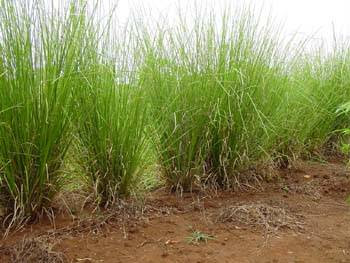
Introduction to Vetiver
Vetiver, scientifically known as Chrysopogon zizaniodes, is a perennial plant originating from India and belonging to the Poaceae family. While we may know it as vetiver, in India, it’s known as Khus. In this article, we’ll explore how to cultivate this remarkable plant, its uses in engineering, soil erosion prevention, and industrial applications.
Rapid Colonization and Engineering Applications
Vetiver is able to rapidly colonize large areas due to its dense and deep root system. This characteristic makes it a crucial component of naturalistic engineering to combat soil erosion. The vetiver method, also known as the System Vetiver, utilizes the plant to purify contaminated water and soil with heavy metals, hydrocarbons, and chemicals.
The vetiver method is widely used in various parts of the world, including India, Thailand, Myanmar, and Indochina, where it’s often employed for erosion control and pollution prevention. This innovative approach not only protects the environment but also provides sustainable solutions to water and soil contamination issues.
Industrial Uses of Vetiver
Vetiver oil, extracted from its roots, is widely used in perfumery, while Ayurvedic medicine leverages dried root extracts to treat various health issues. The unique properties of vetiver oil make it a valuable commodity in the essential oils market. Here are some additional uses of vetiver oil:
- Aromatherapy: Vetiver oil has been used for centuries in traditional Indian and Chinese medicine to promote relaxation, reduce stress, and improve mood.
- Skincare: The antiseptic and anti-inflammatory properties of vetiver oil make it an effective ingredient in skincare products, such as creams, lotions, and serums.
- Textile industry: Vetiver fiber is used in the production of high-quality cotton fabrics, due to its strength, durability, and resistance to wrinkles.
Plant Description
Vetiver can grow up to 150 cm in height and features tall stelae and long, narrow leaves. The flowers are violet-brown during blooming. The plant’s unique characteristic is its root system: unlike most grasses that develop horizontal roots, vetiver’s roots grow downward, reaching depths of 2-4 meters.
Unique Root System
The vetiver’s root system is finely structured and extremely strong. It can reach a depth of 3-4 meters within the first year of cultivation. The plant does not produce stolons or rhizomes, which allows it to colonize large areas quickly and efficiently.
Cultivation of Vetiver
Although originating from India, vetiver has been naturalized in various parts of the world. Thailand, Myanmar, and Indochina are among the largest producers of vetiver oil. Its deep roots enable it to withstand droughts and contribute to erosion prevention.
Vetiver can be grown in temperate climates as well, with more success in Southern Italy. Its growth rate is relatively fast, making it an ideal choice for land reclamation projects or soil stabilization measures.
Genotype Selection
Only sterile genotypes are used for commercial cultivation. Clones from these plants form identical imprints of the mother plant for propagation. This ensures that only high-quality, disease-resistant plants are produced and sold to customers.
Choosing the Right Genotype
When purchasing vetiver plants, ensure you select a sterile genotype, as fertile ones can be invasive. Vetiver grows best in full sun and well-drained soil. It’s essential to provide sufficient water for optimal growth, but overwatering should be avoided, as it can lead to root rot.
Where to Buy Vetiver Plants?
Visit your local nursery or online retailers. There are numerous websites offering delivery services, including vetiveronline.com (verified). This website offers high-quality plants with a high rooting rate, delivered at the root system. You can request a quote based on the quantity of plants you need.
Additional Resources
Check out this Amazon product: PERLIER ACQ CORPO 200 VETIVER C6 – Read customer reviews
This product is a high-quality vetiver plant, suitable for cultivation and soil erosion prevention projects. The seller provides detailed information about the plant’s characteristics, growth rate, and uses.
FAQs
- What is vetiver used for?
Vetiver has numerous uses, including oil extraction, soil erosion prevention, industrial applications, and perfumery. - How does vetiver prevent soil erosion?
The vetiver method utilizes the plant to purify contaminated water and soil with heavy metals, hydrocarbons, and chemicals, making it an effective tool against soil erosion. - Can I grow vetiver in my backyard?
Yes, vetiver can be grown in temperate climates like Southern Italy. However, ensure you provide sufficient sunlight for optimal growth. - What are the benefits of using vetiver oil?
Vetiver oil has various uses, including perfumery and Ayurvedic medicine, making it a valuable commodity. - How deep can vetiver roots grow?
Vetiver’s root system can reach depths of 2-4 meters, allowing it to withstand droughts and contribute to erosion prevention. - Can I use fertile vetiver plants for cultivation?
No, only sterile genotypes are used for commercial cultivation due to their invasive nature. - What is the best way to propagate vetiver?
Clones from sterile plants form identical imprints of the mother plant, making them ideal for propagation. - Can I buy vetiver plants online?
Yes, there are numerous websites offering delivery services, including vetiveronline.com.
Please note that these FAQs address key questions related to the topic covered in this article.


