
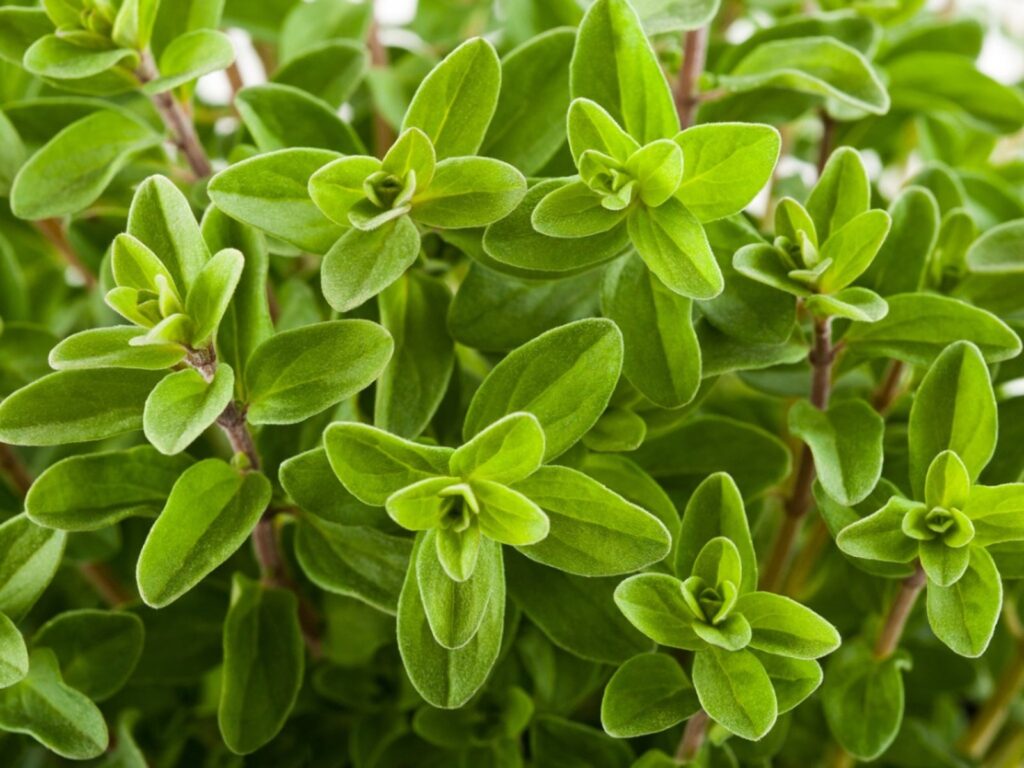
Marjoram, also known as Majorana hortensis, is a member of the Lavandula family and has been widely used for centuries in herbal medicine, aromatherapy, and culinary applications. As an officinal herb, marjoram has been valued for its numerous health benefits, including digestive, carminative, antispasmodic, analgesic, diuretic, anti-inflammatory, and hypotensive properties.
Characteristics of Marjoram
Marjoram is a low-growing, woody perennial with a bushy habit that grows up to 25-50 cm tall. It has oval-shaped leaves that are typically dark green in color and produce small white or pink flowers in the summer months. The plant’s roots are fascicated, while its stems have a woody texture.
History of Marjoram
Marjoram has been used for centuries in traditional medicine, dating back to ancient Greece and Rome. It was also used by the Egyptians and other cultures to treat various ailments, including digestive issues and respiratory problems. In modern times, marjoram is still widely used in herbal medicine, aromatherapy, and culinary applications.
Growing Marjoram
Marjoram can be grown from seeds, cuttings, or division. It thrives in well-draining soil with full sun to partial shade. In temperate climates, marjoram is typically planted in the spring, after the last frost date. The plant prefers a slightly acidic to neutral pH and consistent moisture.
Soil Requirements for Marjoram
Marjoram requires well-draining soil that is rich in organic matter. It can grow in a variety of soils, including clay, loam, and sand, but it performs best in soils with a pH between 6.0 and 7.0. The ideal soil texture for marjoram is a mix of sand, silt, and clay.
Watering Marjoram
Marjoram requires consistent moisture, especially when it’s young. Water the plant thoroughly after planting, and keep the soil consistently moist during germination. Once established, marjoram can tolerate some drought, but it performs best with regular watering.
Pruning Marjoram
Marjoram is a low-maintenance herb that requires minimal pruning. Pinch off individual stems or cut the entire plant back to encourage new growth. Prune the plant regularly to maintain its shape and promote healthy growth.
Pest Control for Marjoram
Marjoram is susceptible to pests such as aphids, whiteflies, and spider mites. Use organic pest control methods, such as neem oil or insecticidal soap, to control infestations.
Common Problems with Marjoram
Marjoram can be prone to various problems, including:
- Root rot: caused by overwatering
- Leaf spot: caused by fungal infections
- Pests: aphids, whiteflies, and spider mites
- Diseases: powdery mildew and root rot
Benefits of Marjoram
Marjoram’s numerous benefits make it an excellent addition to any herbal remedy or culinary dish. Some of its key properties include:
- Digestive aid: marjoram has been used for centuries to treat digestive issues such as bloating, gas, and indigestion.
- Carminative and anti-inflammatory effects: marjoram has been shown to have carminative and anti-inflammatory effects, making it an excellent treatment for conditions such as arthritis and menstrual cramps.
- Antispasmodic and analgesic properties: marjoram has been used to treat muscle spasms, back pain, and other musculoskeletal issues.
- Diuretic and antireumatic effects: marjoram has been shown to have diuretic and antireumatic effects, making it an excellent treatment for conditions such as gout and rheumatism.
- Hypotensive and diaphoretic effects: marjoram has been used to treat hypertension and other cardiovascular issues.
Principles Active in Marjoram
The active compounds responsible for marjoram’s medicinal properties include:
- Terpineol: a terpene that has anti-inflammatory and antispasmodic effects.
- Tannins: compounds that have antimicrobial and antiviral effects.
- Rosmarinic acid: a phenolic compound that has antioxidant and anti-inflammatory effects.
- Vitamin C: a vitamin that has antioxidant and immune-boosting effects.
- Resin: a compound that has antimicrobial and antifungal effects.
Sowing Marjoram Seeds
Marjoram seeds can be sown directly into the ground or started indoors in a seed tray. Sow seeds 1-2 cm deep and 5-10 mm apart, and keep the soil consistently moist during germination.
Propagation through Cuttings
Cuttings taken from mature marjoram plants can be rooted in a propagation medium of equal parts potting mix and perlite. Water thoroughly and maintain high humidity until roots develop.
Using Marjoram in Cooking
Marjoram is an excellent addition to various dishes, including soups, salads, meats, fish, and vegetables. Its flavor profile is often described as sweet, slightly bitter, and herbaceous. Use fresh or dried marjoram leaves to add flavor to your favorite recipes.
Culinary Uses for Marjoram
Marjoram can be used in a variety of dishes, including:
- Soups: marjoram adds a savory flavor to soups such as minestrone and creamy tomato soup.
- Salads: marjoram pairs well with vegetables such as bell peppers, carrots, and lettuce.
- Meats: marjoram is often used to season meats such as lamb, beef, and pork.
- Fish: marjoram adds a delicate flavor to fish such as salmon and cod.
Preserving Marjoram
Marjoram can be preserved through drying, freezing, or making herbal infusions. Dry the leaves using a food dehydrator or by tying them in small bunches and hanging them upside down. Freeze marjoram for later use in soups, stews, or teas.
Drying Marjoram
To dry marjoram, follow these steps:
- Harvest fresh marjoram leaves.
- Tie the leaves in small bunches using string or twine.
- Hang the bunches upside down in a warm, dry place.
- Allow the leaves to dry completely, which can take several weeks.
Freezing Marjoram
To freeze marjoram, follow these steps:
- Harvest fresh marjoram leaves.
- Chop the leaves finely using a sharp knife or chopping tool.
- Place the chopped leaves in an airtight container or freezer bag.
- Store the frozen marjoram in the freezer for later use.
Making Herbal Infusions
To make herbal infusions, follow these steps:
- Harvest fresh marjoram leaves.
- Chop the leaves finely using a sharp knife or chopping tool.
- Combine the chopped leaves with hot water in a teapot or saucepan.
- Steep the mixture for 5-10 minutes, then strain and enjoy.
FAQs
- What is the best time to plant marjoram?
The ideal time to plant marjoram depends on your location. In temperate climates, spring planting is recommended. - Can I grow marjoram indoors?
Yes, marjoram can be grown indoors using a potting mix and adequate lighting. - How do I care for my marjoram plants?
Marjoram prefers well-draining soil and full sun to partial shade. Water consistently, but avoid overwatering. - Can I use marjoram as a natural remedy?
Yes, marjoram has been used for centuries in traditional medicine for its numerous health benefits. - How do I harvest marjoram leaves?
Harvest marjoram leaves by pinching off individual stems or cutting the entire plant back to encourage new growth.
By following this guide and using marjoram’s numerous health benefits, you’ll be well on your way to cultivating this versatile herb in your own garden.


