
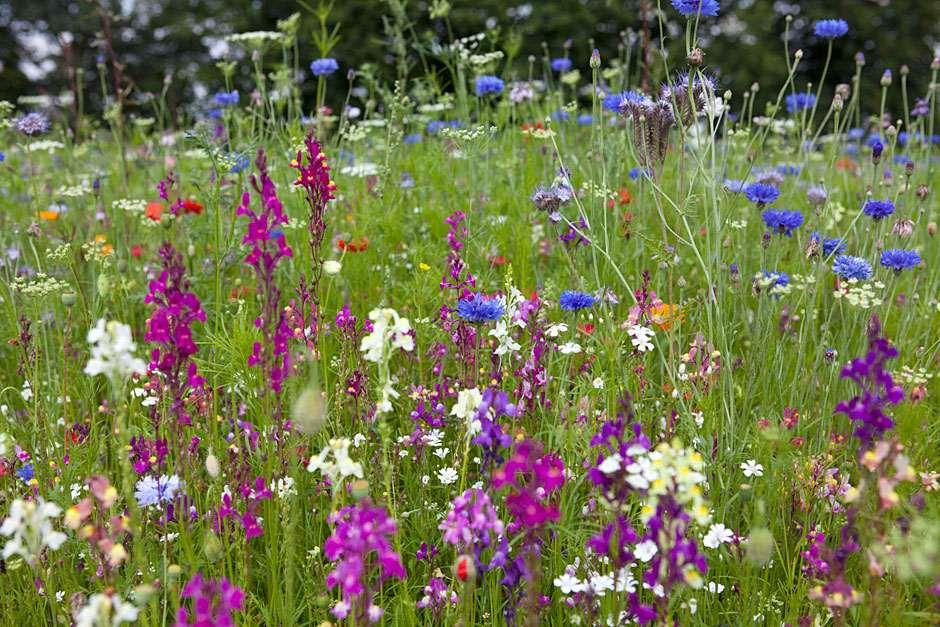
If you ask your friends, “What is a flowering meadow?”, they might tell you it’s a game that runs on the Windows operating system. If that’s the case, let’s start a new game instead! Reading this article will help you grow a beautiful and colorful field of flowers.
For us Italians, growing a flowering meadow is still a relatively new concept, but in Northern European cities, these fields have been around for decades. They’re considered an excellent alternative to traditional grass lawns and can be used to create slopes, borders, or even large areas of vibrant colors.
If you love seeing flowers blooming, you might want to consider creating a specific field just for them. If you’re planning to redesign your garden, you could also think about growing a flowering meadow. Any area of land can be converted into a flower field, whether it’s an auft, a green space, or even a wild area.
Over the past few years, pre-mixed seed blends have become available for growing flowering meadows. These blends are designed to create a unique and colorful landscape. While you can customize your own blend, it’s recommended to use a mix specifically bred for traditional lawns.
Choosing the Right Seed Mix
When selecting a seed mix for your flowering meadow, make sure to include three types of herbaceous plants:
- Annual Blooming Flowers: These will bloom for a short period each year and attract a variety of butterflies.
- Perennial Blooming Flowers: These will bloom multiple times throughout the year and provide long-lasting colors.
- Grasses: These add texture and movement to your meadow.
With thousands of perennial flower species and countless grass types, choosing the perfect mix can be challenging. To ensure a successful outcome, consider purchasing pre-mixed blends specifically designed for flowering lawns.
Popular Flowering Meadow Seed Blends
Some popular seed blends include:
- Japanese Flowering Meadow: This blend offers vibrant colors with an average height of 30-50 cm and blooms from April to June.
- Wildflower Blend: This mix features a variety of flowers that attract bees, butterflies, and other pollinators.
Sowing Your Seed Mix
To achieve a uniform meadow, it’s essential to sow your seed mix evenly. Flowering lawns can thrive even in sloping areas, as the roots of the herbaceous plants help hold the soil in place.
If you sow your seeds between April and June, you’ll start seeing flowers bloom by June to October.
The Benefits of a Flowering Meadow
Flowering meadows offer many benefits:
- They attract pollinators like bees, butterflies, and hummingbirds.
- They provide a natural habitat for wildlife.
- They can help reduce air pollution.
- They create a beautiful and unique landscape feature.
With proper maintenance, flowering lawns require only occasional mowing. In Italy, many companies offer customized seed blends with varying percentages of each type of plant.
Calpestable vs Non-Calpestable Meadows
The suitability of your meadow depends on the size of the trees you choose to include:
- Non-Calpestable Meadows: These feature flowers that grow between 30-90 cm tall, depending on the specific blend.
- Calpestable Meadows: These have lower-growing trees and are designed for high-traffic areas.
In general, even taller meadows (50-90 cm) can withstand gentle foot traffic once they’ve fully developed.
Maintenance and Care
Regular maintenance is essential to keep your flowering meadow looking its best. Here are some tips:
- Mowing: Mow your lawn only when necessary to prevent overcrowding.
- Watering: Water your flowers regularly, but avoid overwatering which can lead to weeds.
- Fertilizing: Fertilize your meadow every few months with a balanced fertilizer.
Conclusion
Growing a flowering meadow is an excellent way to create a beautiful and unique landscape feature while supporting local wildlife. By choosing the right seed mix and following proper sowing techniques, you’ll be enjoying vibrant colors and attracting pollinators in no time!
Frequently Asked Questions (FAQs)
- How do I choose the best seed blend for my flowering meadow?
- What are the benefits of growing a flowering meadow?
- Can I use any type of herbaceous plant in my seed mix?
- How often should I mow my flowering lawn?
- Are flowering lawns suitable for areas with heavy foot traffic?
- Can I grow flowering meadows in sloping or uneven terrain?
- What is the ideal time to sow seeds for a flowering meadow?
- How can I ensure proper maintenance and care for my flowering meadow?
Tips for Beginners
- Start small: Begin with a small area of land and gradually expand as you gain experience.
- Choose the right seed mix: Select a blend that suits your climate and soil type.
- Be patient: Growing a flowering meadow takes time, so be prepared to wait for the flowers to bloom.
By following these tips and guidelines, you’ll be well on your way to creating a beautiful and thriving flowering meadow. Happy gardening!


