
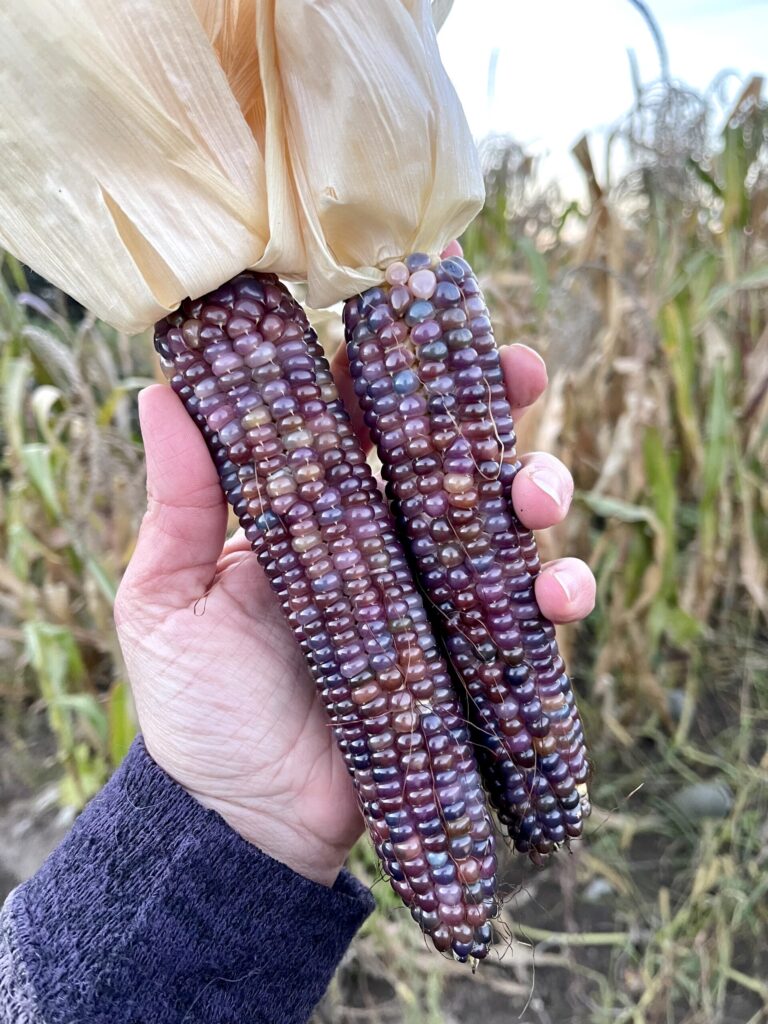
As a gardener, growing your own popcorn is a fun and rewarding experience. While it may seem like a daunting task, with the right guidance, you can successfully cultivate corn for both popcorn and sweet corn. In this article, we’ll delve into the world of corn cultivation, covering everything from choosing the right variety to harvesting your crop.
Choosing the Right Variety
When it comes to growing popcorn, there are several varieties to choose from. Look for specific types of corn that are bred for their high yield and suitability for popcorn production. Some popular varieties include:
- “Zea mays everta” – a hard-shelled corn variety perfect for popping
- “Rostrato” – a medium-sized kernel with excellent popping quality
- “Candy Cane” – a sweet corn variety that’s also suitable for popcorn production
For sweet corn, you can opt for any type of corn that is suitable for human consumption. However, keep in mind that some varieties may not be as ideal for popcorn production.
Growing Corn for Popcorn
Growing popcorn requires specific conditions and care. Here are some key factors to consider:
- Space: Popcorn plants require minimal space, making them perfect for small gardens or containers.
- Exposure: Popcorn needs full sun to partial shade, depending on your climate.
- Soil: Well-draining soil with a pH between 6.0 and 7.0 is ideal for popcorn growth.
Preparing the Soil
Before planting your popcorn seeds, make sure the soil is ready. You can achieve this by:
- Adding compost or well-rotted manure to improve soil fertility
- Using a fertilizer specifically formulated for corn production
- Testing your soil pH and adjusting it if necessary
Sowing Seeds
To sow your popcorn seeds, follow these steps:
- Plant seeds 1 inch deep and 6 inches apart in rows that are 3 feet apart.
- Water the soil gently but thoroughly after sowing.
- Provide support for the plants as they grow.
Transplanting Seedlings
If you’re using seed starting trays or cell packs, transplant the seedlings into larger containers or directly into the garden when they have two sets of leaves.
Harvesting Popcorn
Popcorn is ready to harvest when the kernels are fully dry and the husks are golden brown. To check for readiness, look for:
- Dry, brittle husks
- Brown or tan-colored kernels
- A slight “pop” sound when the kernel is bent
To harvest your popcorn, follow these steps:
- Cut the stalks near the base using scissors or a knife.
- Tie the stalks in small bunches and hang them upside down to dry further.
- Once the husks are completely dry, remove the kernels from the cob by hand or with a grain separator.
Growing Sweet Corn
Sweet corn is easy to grow and requires minimal care. Here are some key factors to consider:
- Soil: Sweet corn prefers well-draining soil with a pH between 6.0 and 7.0.
- Sunlight: Sweet corn needs full sun to partial shade, depending on your climate.
Preparing the Soil
Before planting your sweet corn seeds, make sure the soil is ready. You can achieve this by:
- Adding compost or well-rotted manure to improve soil fertility
- Using a fertilizer specifically formulated for corn production
- Testing your soil pH and adjusting it if necessary
Sowing Seeds
To sow your sweet corn seeds, follow these steps:
- Plant seeds 1 inch deep and 8 inches apart in rows that are 3 feet apart.
- Water the soil gently but thoroughly after sowing.
- Provide support for the plants as they grow.
Harvesting Sweet Corn
Sweet corn is ready to harvest when the kernels are plump, juicy, and slightly tender. To check for readiness, look for:
- A slight give when pressed
- A milky sap that flows from the kernel
- A sweet, earthy aroma
To harvest your sweet corn, follow these steps:
- Cut the stalks near the base using scissors or a knife.
- Remove the kernels from the cob by hand or with a grain separator.
Tips and Tricks
Here are some additional tips and tricks to keep in mind when growing popcorn and sweet corn:
- Watering: Make sure to water your plants regularly, but avoid overwatering which can lead to root rot and other problems.
- Pest control: Keep an eye out for pests like raccoons, deer, and rodents that may damage your crop.
- Pollination: Sweet corn requires cross-pollination, so make sure to plant multiple varieties of sweet corn to ensure proper pollination.
- Harvest timing: Harvest popcorn when the kernels are fully dry and the husks are golden brown, while harvest sweet corn when the kernels are plump, juicy, and slightly tender.
Common Problems
Here are some common problems you may encounter when growing popcorn and sweet corn:
- Root rot: Overwatering can lead to root rot, which can cause your plants to die. Make sure to water carefully and avoid overwatering.
- Pests: Keep an eye out for pests like raccoons, deer, and rodents that may damage your crop.
- Diseases: Sweet corn is susceptible to diseases like fungal infections and bacterial blights. Make sure to provide good air circulation and use disease-resistant varieties.
Conclusion
Growing popcorn and sweet corn is a fun and rewarding experience that requires minimal care and attention. By following these guidelines, you’ll be able to successfully cultivate your own corn for both popcorn and sweet corn. Happy gardening!
FAQs
-
What type of soil is best for growing popcorn?
Popcorn grows well in well-draining soils with a pH between 6.0 and 7.0. -
How do I choose the right variety of corn for my garden?
Choose varieties that are specifically bred for their high yield and suitability for popcorn production or human consumption. -
What is the best way to harvest popcorn?
Harvest popcorn when the kernels are fully dry and the husks are golden brown, and remove them from the cob by hand or with a grain separator. -
How do I prepare the soil before planting corn seeds?
Add compost or well-rotted manure to improve soil fertility and use a fertilizer specifically formulated for corn production. -
Can I grow popcorn in containers?
Yes, popcorn can be grown in containers as long as they have good drainage and enough space for the plants to grow. -
What is the ideal climate for growing popcorn?
Popcorn grows well in temperate climates with moderate temperatures and adequate moisture. -
Can I use any type of corn seed for sweet corn?
No, use specific types of corn that are suitable for human consumption. -
How do I know when my sweet corn is ready to harvest?
Sweet corn is ready to harvest when the kernels are plump, juicy, and slightly tender, and have a milky sap that flows from the kernel.


