
Introduction
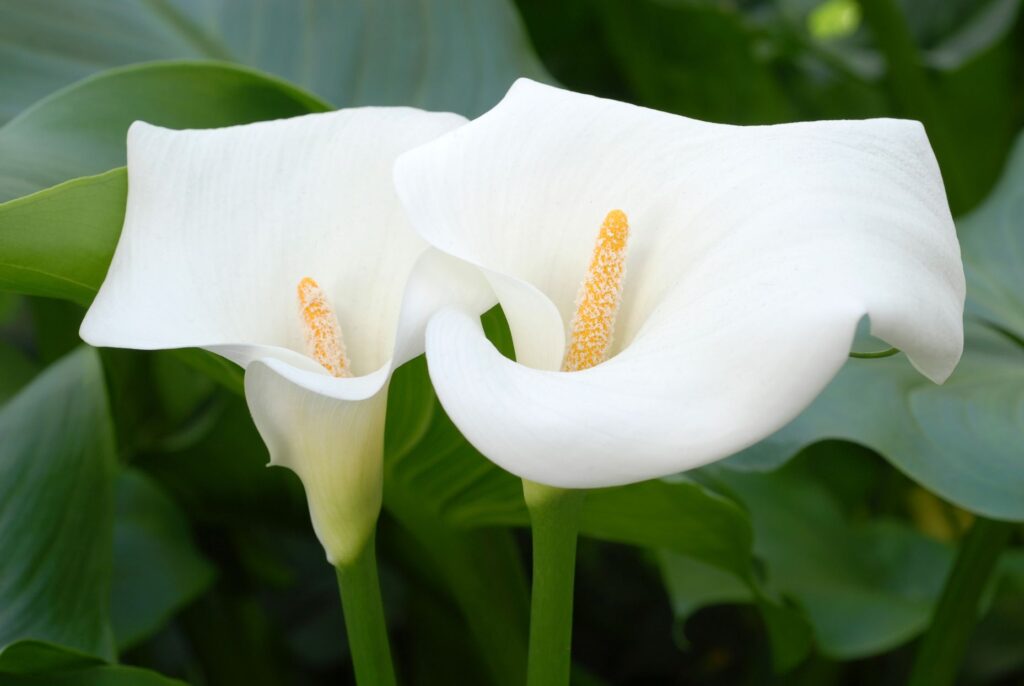
The cultivation of calla lilies, both white and colored varieties, has become increasingly popular in recent years. However, many gardeners are unaware of the specific requirements for each type of calla. In this article, we will delve into the world of calla lily cultivation, exploring the different needs of these beautiful plants.
The Two Main Families of Callas
Callas can be broadly classified into two main families: the bulbose family, which typically includes white callas, and the tuberous family, which includes colored varieties. Within the tuberous family, we have three distinct species: Zantedeschia albomaculata, Zantedeschia elliottiana, and Zantedeschia rehmanii.
Planting Calla Lilies
The process of planting calla lilies is crucial for their successful growth. The ideal time to plant callas is in the spring, when the threat of frost has passed. This allows the roots to establish themselves before the onset of hot weather. When handling rizomes or tubers, it’s essential to wear gloves to prevent any potential irritation.
Spacing and Depth
When planting calla lilies, it’s crucial to maintain a distance of around 30 cm (12 in) between each plant for colored varieties and 60 cm (24 in) for white callas. The soil should be planted at a depth of 10 cm (4 in).
Cultivating Calla Lilies
Calla lilies, whether white or colored, require full sun to partial shade. In regions with hot and dry climates, such as the Italian Mediterranean, it’s best to provide partial shade for these plants.
Soil Requirements
White callas prefer moist, fertile soil rich in organic matter, making them ideal for cultivation along waterways, ponds, or lake edges. On the other hand, colored varieties, which originate from Zantedeschia albomaculata, Zantedeschia elliottiana, and Zantedeschia rehmanii, require well-drained, sandy soil.
pH Level
All calla varieties prefer a slightly acidic to neutral soil pH. This ensures optimal growth and flowering for these beautiful plants.
Irrigation and Fertilization
Irrigating white callas is crucial, as the soil must never be too dry. Fertilize white callas twice a month from spring onwards, using a liquid fertilizer specifically designed for blooming plants. Suspend fertilization after the flowers have bloomed. Colored callas require similar irrigation and fertilization schedules.
Irrigating Colored Calla Lilies
Colored calla lilies need to be watered when the soil is completely dry between irrigations. During the months of September to February, reduce watering to once a week, allowing the foliage to wither before harvesting the tubers.
Removing Tubers from Vases and Planters
Only after the foliage has completely withered can the tubers be removed from vases or planters. Colored calla lilies are particularly sensitive to temperatures below 10°C (50°F).
Tips for Growing White Callas
- White callas prefer cooler temperatures, between 60°F (15°C) and 75°F (24°C), making them ideal for regions with mild winters.
- Provide white callas with a trellis or stake to support their tall stems.
- Divide and replant white calla lilies every 2-3 years to maintain their health and promote new growth.
Tips for Growing Colored Callas
- Colored callas prefer warmer temperatures, between 70°F (21°C) and 85°F (29°C), making them ideal for regions with hot summers.
- Provide colored callas with a well-draining potting mix to prevent root rot.
- Use a balanced fertilizer specifically designed for blooming plants to promote healthy growth and flowering.
Common Problems and Solutions
- Yellowing Leaves: Yellowing leaves on calla lilies can be caused by overwatering, underwatering, or nutrient deficiency. Check the soil moisture levels and adjust watering accordingly. Fertilize with a balanced fertilizer specifically designed for blooming plants.
- Dead or Damaged Leaves: Dead or damaged leaves on calla lilies can be caused by frost, disease, or pests. Remove dead or damaged leaves to prevent the spread of disease. Use a fungicide specifically designed for callas if necessary.
- Lack of Blooms: Lack of blooms on calla lilies can be caused by inadequate light, temperature fluctuations, or nutrient deficiency. Provide calla lilies with sufficient light and maintain optimal temperatures. Fertilize with a balanced fertilizer specifically designed for blooming plants.
Conclusion
Cultivating calla lilies is a rewarding experience, but it requires attention to specific requirements for each type of plant. By understanding the different needs of white and colored callas, you can create an ideal environment for these beautiful plants to thrive.
Frequently Asked Questions
- How often should I water my calla lily?
Water your calla lily when the top inch of soil feels dry to the touch. Adjust watering frequency based on weather conditions and soil moisture levels. - What is the ideal temperature for growing calla lilies?
Most calla varieties prefer daytime temperatures between 65°F (18°C) and 75°F (24°C), while nighttime temperatures should be around 55°F (13°C). - Can I grow calla lilies in containers or planters?
Yes, you can grow calla lilies in containers, but ensure the potting mix is well-draining and has a slightly acidic to neutral pH. - How long do calla lilies bloom?
White callas typically bloom for 3-4 weeks in summer, while colored varieties may have a longer blooming period of up to 6 weeks. - Can I divide and replant my calla lily?
Yes, you can divide and replant your calla lily every 2-3 years to maintain its health and promote new growth. - What is the best way to propagate a calla lily?
You can propagate calla lilies through division or by growing rhizome cuttings in moist soil with filtered light. - Can I grow calla lilies outdoors year-round?
No, calla lilies are typically grown indoors during winter months due to their sensitivity to frost and freezing temperatures. - How often should I fertilize my calla lily?
Fertilize your calla lily once a month from spring to fall, using a balanced fertilizer specifically designed for blooming plants.
By following these guidelines and understanding the specific needs of white and colored callas, you can create an ideal environment for these beautiful plants to thrive.


