
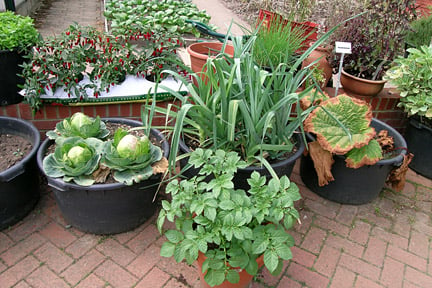
As a self-proclaimed urban farmer, you’re likely no stranger to the joys of container gardening. But have you ever wondered how to create a thriving indoor garden without the need for a traditional backyard? Look no further! In this article, we’ll explore the world of container gardening and provide you with everything you need to know to get started.
Getting Started: Choosing the Right Container
When it comes to choosing the right container for your plants, there are several factors to consider. First and foremost, you need to think about the size of the container. Make sure it’s large enough to hold the roots of your plant, but not so big that it becomes unwieldy.
For example, if you’re growing a compact herb like basil or mint, a small terracotta pot will be perfect. On the other hand, if you’re growing a larger vegetable like a tomato or a pumpkin, you’ll need a container with more room to grow.
Another important consideration is the material of the container. Terracotta pots are a popular choice for container gardening because they allow for good drainage and can help regulate soil temperature. However, they can be heavy and may require additional support.
Plastic containers, on the other hand, are lightweight and easy to move around. But they can retain heat and may not provide enough drainage for plants that prefer well-draining soil.
Understanding Drainage
Drainage is an essential component of container gardening. Without it, water can accumulate in the soil, causing root rot and other problems. To prevent this, you’ll need to create a system of drainage in your container.
One way to do this is by adding a layer of small rocks or pebbles at the bottom of the container. This will allow excess water to drain out of the pot, reducing the risk of waterlogged soil.
Another option is to use a product called “drainage mats.” These are thin sheets of material that are designed specifically for use in containers and can help prevent water from accumulating in the soil.
Selecting the Right Soil
When it comes to choosing the right soil for your container garden, there are several factors to consider. First and foremost, you need to think about the type of plants you’re growing. Different plants have different soil requirements, so you’ll need to choose a soil that’s specifically designed for the types of plants you’re growing.
For example, if you’re growing vegetables like tomatoes or peppers, you’ll need a soil that’s high in nutrients and has good drainage properties. On the other hand, if you’re growing herbs like basil or mint, you can use a lighter, more delicate potting mix.
In addition to choosing the right type of soil, it’s also important to think about its pH level. Most plants prefer a slightly acidic to neutral soil pH, between 6.0 and 7.0.
Watering: The Key to Success
One of the biggest challenges facing container gardeners is watering. Without proper drainage, water can quickly become trapped in the soil, leading to root rot and other problems.
To avoid this, you’ll need to learn how to water your plants correctly. Here are a few tips to keep in mind:
- Water your plants when the top inch of soil feels dry to the touch.
- Avoid getting water on the leaves or crown of the plant, as this can cause fungal diseases.
- Use a gentle stream of water to avoid washing away the soil.
Fertilization: The Secret to a Thriving Garden
One of the most important aspects of container gardening is fertilization. Without proper nutrients, your plants may not be able to grow and thrive.
To get the best results from your fertilizer, it’s essential to choose a product that’s specifically designed for container gardens. Look for products that are labeled as “slow-release” or “long-lasting,” as these will provide nutrients to your plants over an extended period of time.
In addition to using a slow-release fertilizer, you can also supplement with organic matter like compost or worm castings. These natural sources of nutrients can help promote healthy plant growth and development.
Common Mistakes to Avoid
As a beginner container gardener, it’s easy to make mistakes that can set back your progress. Here are a few common mistakes to avoid:
- Not providing enough drainage: Without proper drainage, water can quickly become trapped in the soil, leading to root rot and other problems.
- Overwatering: This can be just as bad as underwatering, causing roots to rot and plants to become weak and vulnerable.
- Using too much fertilizer: While some fertilization is necessary for plant growth, using too much can damage the plant and cause nutrient imbalances.
Tips for Success
Here are a few additional tips that can help you achieve success with container gardening:
- Start small: Don’t try to tackle too many plants at once. Start with a few easy-to-grow species and gradually expand your garden as you gain experience.
- Use a trellis or support system: If you’re growing vining plants like tomatoes or peas, consider using a trellis or support system to help them grow upwards.
- Keep an eye out for pests: Check your plants regularly for signs of pests or diseases, and take action quickly if you notice any problems.
Common Container Gardening Mistakes
Here are a few common mistakes that container gardeners make:
- Not providing enough sunlight: Most plants require at least six hours of direct sunlight per day to thrive. If your plant isn’t getting enough light, it may become weak and spindly.
- Overcrowding the container: Make sure to leave enough space between each plant for good air circulation and access to water.
- Not monitoring soil temperature: Some plants prefer warmer or cooler soil temperatures than others. Monitor your soil temperature regularly to ensure you’re providing the right conditions.
Conclusion
Container gardening is a fun and rewarding hobby that can provide you with fresh produce right in your own backyard. By following these simple tips and guidelines, you can create a thriving indoor garden that’s perfect for small spaces or large gardens alike.
Whether you’re a seasoned gardener or just starting out, container gardening has something to offer everyone. So why not give it a try today? With a little bit of planning and effort, you can be enjoying fresh, homegrown produce in no time!
Frequently Asked Questions
- What are the most common mistakes made by beginner container gardeners?
Beginner container gardeners often make mistakes such as not providing enough drainage, overwatering, or using too much fertilizer. - How often should I water my plants?
Water your plants when the top inch of soil feels dry to the touch. Avoid getting water on the leaves or crown of the plant, and use a gentle stream of water to avoid washing away the soil. - What type of soil is best for container gardens?
The best type of soil for container gardens depends on the types of plants you’re growing. Look for a potting mix that’s specifically designed for containers and has good drainage properties. - How do I choose the right fertilizer for my container garden?
Choose a slow-release or long-lasting fertilizer that’s specifically designed for container gardens. You can also supplement with organic matter like compost or worm castings. - What are some common pests that can affect container gardens?
Some common pests that can affect container gardens include aphids, whiteflies, and spider mites. Keep an eye out for these pests and take action quickly if you notice any problems. - How do I prune my plants to encourage healthy growth?
Prune your plants regularly to encourage healthy growth and prevent them from becoming leggy or overgrown. Cut back stems that are no longer producing new growth, and trim off dead or damaged leaves. - Can I grow vegetables in containers?
Yes! Vegetables can be grown in containers, but they require more care and attention than herbs or flowers. Choose varieties that are compact or dwarf, and provide enough sunlight and water for optimal growth.
We hope this article has provided you with the information and inspiration you need to start your container gardening journey. Happy growing!


