
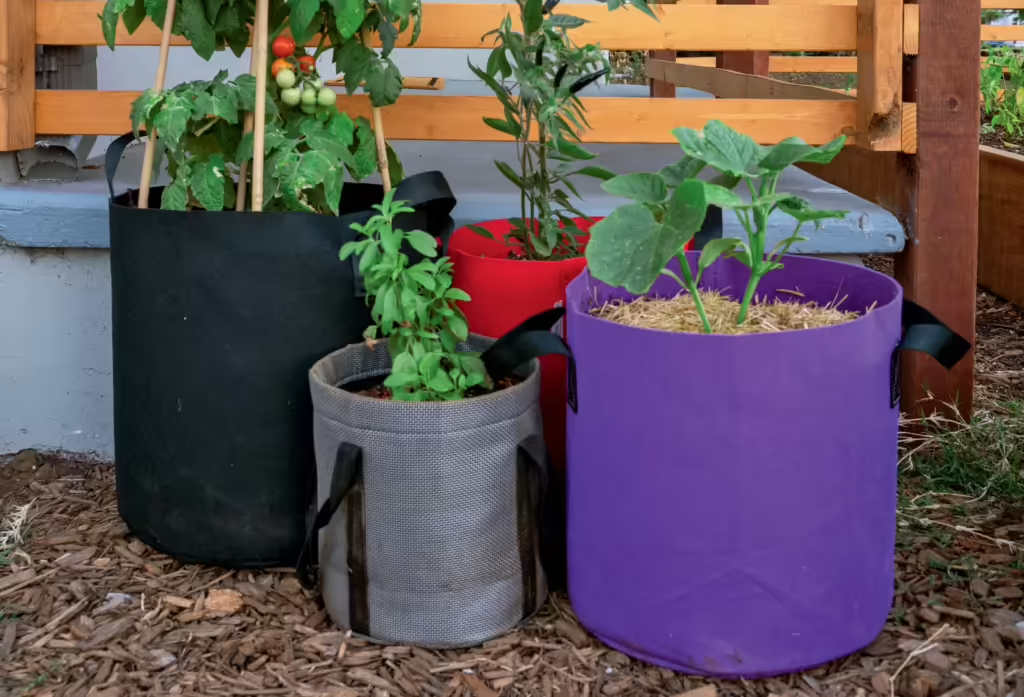
What is Container Gardening?
Container gardening is a method of growing plants in pots or containers, making it possible for anyone to cultivate vegetables and herbs even without an outdoor garden. This technique is perfect for those who want to grow their own food but don’t have the space for a traditional garden.
Benefits of Container Gardening
Container gardening offers several benefits, including:
- More control over soil quality and nutrient intake: With container gardens, you can choose high-quality potting mix and fertilizers tailored to your plants’ needs.
- Improved drainage and reduced risk of root rot: Containers allow for better airflow and water circulation, reducing the risk of root rot and other problems.
- Increased flexibility in terms of plant selection and placement: Container gardens can be placed anywhere, from balconies to patios, making it easy to experiment with different plants and arrangements.
- Space-saving design: Container gardens are ideal for small spaces, such as apartments or condos, where traditional gardening might not be feasible.
Choosing the Right Containers
When it comes to container gardening, selecting the right containers is crucial. Look for:
- Aerated containers: Those with good drainage holes to prevent waterlogged soil
- Material selection: Choose from plastic, wood, or ceramic containers, considering durability and weather resistance
- Size matters: Select a container that’s at least 6-8 inches deep to accommodate root growth
Plant Selection
Not all plants are created equal when it comes to container gardening. Some plants thrive in pots, while others may not. Consider:
- Leafy greens: Lettuce, kale, spinach, and arugula grow well in containers
- Herbs: Basil, mint, cilantro, and parsley do well in pots
- Tomatoes: Cherry tomatoes or patio tomatoes are ideal for container gardens
- Peppers: Small pepper varieties like Thai chilies or bell peppers work well in containers
Tips for Successful Container Gardening
To ensure a successful container gardening experience:
- Soil quality matters: Use a high-quality potting mix that drains well and retains moisture
- Water wisely: Avoid overwatering, which can lead to root rot and other issues
- Fertilize sparingly: Feed plants with a balanced fertilizer during the growing season
Common Container Gardening Mistakes
Don’t make these common mistakes:
- Insufficient light: Most vegetables and herbs need at least 6 hours of direct sunlight per day
- Overcrowding: Give plants enough space to grow, as overcrowding can lead to disease and pest issues
- Lack of maintenance: Regularly inspect containers for signs of pests, diseases, or nutrient deficiencies
Pest and Disease Control
Container gardens are more susceptible to pests and diseases due to their closed environment. To prevent problems:
- Monitor plants regularly: Inspect your plants daily for signs of pests or disease
- Use organic pest control methods: Spray soaps, neem oil, or insecticidal soap to control infestations
- Practice good hygiene: Clean and disinfect tools and containers regularly
Harvesting Your Container Garden
To enjoy the fruits of your labor:
- Check for ripeness: Harvest vegetables and herbs when they’re ripe and ready
- Use scissors or pruning shears: Cut stems carefully to avoid damaging plants
- Store produce properly: Keep harvested produce fresh by storing it in a cool, dry place
Conclusion
Container gardening is a rewarding and flexible way to grow your own vegetables at home. By selecting the right containers, choosing the right plants, and following simple tips and guidelines, you can enjoy a bountiful harvest even in small spaces.
Frequently Asked Questions
- What type of soil do I need for container gardening?
- Use a high-quality potting mix that drains well and retains moisture.
- How often should I water my container garden?
- Check the soil moisture daily, and water when the top inch of soil feels dry to the touch.
- Can I grow tomatoes in containers?
- Yes, cherry tomatoes or patio tomatoes work well in containers.
- How do I fertilize my container garden?
- Feed plants with a balanced fertilizer during the growing season, and follow instructions on the label for dosage and frequency.
- What are some common pests that affect container gardens?
- Aphids, whiteflies, and spider mites can infest container gardens; use organic pest control methods whenever possible.
By following these guidelines and avoiding common mistakes, you can enjoy a thriving container garden that provides fresh produce for your table all season long.


