
Introduction
In a world where technology is increasingly reliant on cloud computing, the environmental impact of this trend cannot be ignored. The cloud, which was initially seen as a revolutionary tool for data storage and access, has come under fire for its significant energy consumption and carbon footprint. However, there is hope on the horizon. Enter Cubbit, an innovative startup that’s tackling the issue head-on by introducing a green cloud computing solution.
What is Cloud Computing and Why Isn’t it Green?
Cloud computing refers to the practice of storing and processing data remotely, rather than on local servers or devices. While this approach offers many benefits, such as scalability and flexibility, it also has a significant environmental cost. The sheer scale of data centers, which house the equipment that powers cloud computing, is massive. In fact, recent studies estimate that the ICT sector alone accounts for around 10% of global energy consumption.
The growth of cloud computing has been unprecedented, with an estimated 73% of organizations using some form of cloud-based solution in 2020 (Source: IDC). This trend shows no signs of slowing down, with the global cloud market expected to reach $725 billion by 2025 (Source: MarketsandMarkets). However, as the demand for cloud services continues to rise, so too does the environmental impact.
The Environmental Impact of Cloud Computing
So, what exactly is the environmental cost of cloud computing? One study published in the journal Nature found that data centers alone account for around 2.4% of global electricity consumption (Source: Nature). Another study estimated that the carbon footprint of cloud computing could reach as high as 14.3 billion metric tons by 2025, which is roughly equivalent to the emissions from 300 million cars (Source: Climate Change Capital).
The Environmental Benefits of Cubbit
So, how can we mitigate this environmental impact? That’s where Cubbit comes in. This startup has developed a revolutionary approach to cloud computing by eliminating traditional data centers altogether. Instead, users share their unused bandwidth, CPU power, and storage space with others, creating a decentralized network that reduces the need for physical infrastructure.
How Does It Work?
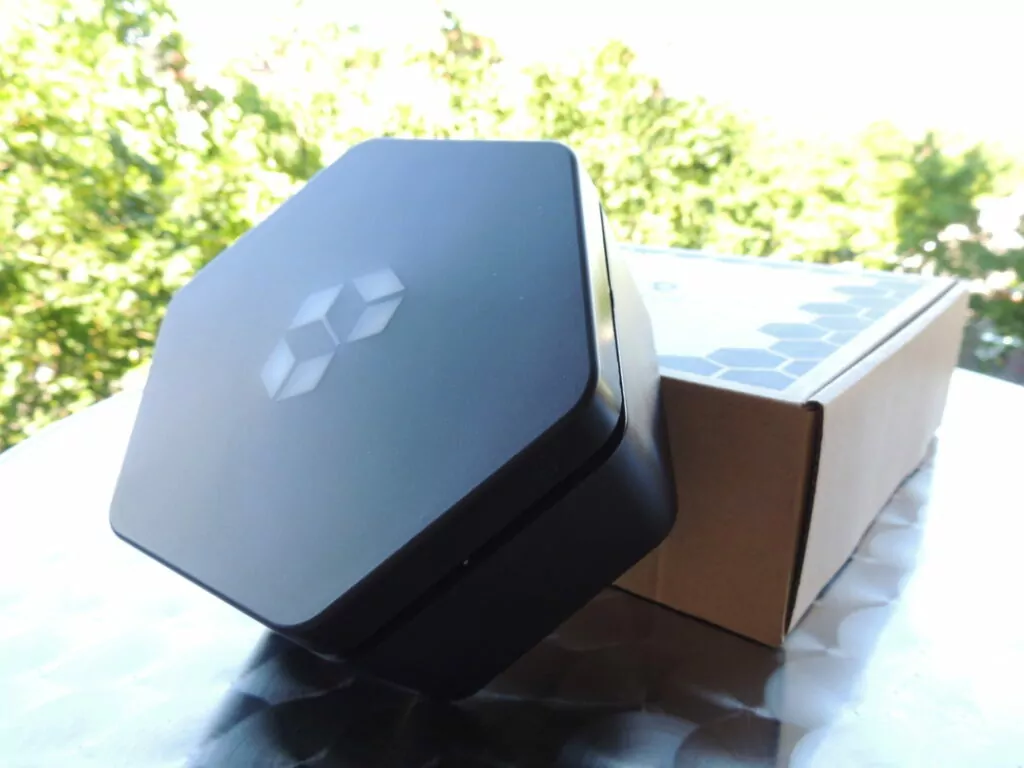
The process is straightforward. Users purchase a device called Cubbit Cell, which stores and protects their sensitive data within the Cubbit network. Each user can then connect their device to external hard drives or other storage solutions, effectively making their data virtually limitless. No more worrying about running out of space or paying exorbitant fees for cloud storage.
The Cubbit system operates on a peer-to-peer model, where users act as both consumers and providers of resources. When you join the network, your device becomes a node that can share its bandwidth and processing power with other users. This creates a decentralized network where data is distributed across multiple devices, reducing the need for centralized infrastructure.
The Benefits of Decentralization
Decentralization offers several benefits over traditional cloud computing models. For one, it reduces the risk of single points of failure and enables more efficient use of resources. With Cubbit, users can access their data from anywhere in the world, without worrying about connectivity issues or server downtime.
Cost: Is It Worth It?
One of the most significant advantages of Cubbit is its cost-effectiveness. Once you’ve purchased your Cubbit Cell, there’s no need to pay monthly subscription fees or worry about energy consumption costs. You’re free to access your data whenever and wherever you want, without breaking the bank.
In fact, studies have shown that decentralized cloud computing models can offer significant cost savings compared to traditional cloud solutions (Source: ResearchGate). With Cubbit, users can save money on storage and bandwidth costs while also reducing their environmental impact.
The Benefits for the Environment
By reducing the need for physical data centers, Cubbit significantly cuts down on energy consumption and carbon emissions. According to estimates, each 200 GB of data stored with Cubbit can save enough energy to power a refrigerator for an entire year (Source: Cubbit). That’s a staggering impact, especially when considering the sheer scale of cloud computing.
Security and Privacy: Addressing Concerns
One potential concern is security and privacy. How can we be sure that our sensitive information won’t be compromised in this decentralized network? Rest assured, Cubbit has taken every precaution to ensure user data remains secure. Each piece of data is encrypted and distributed across multiple users’ devices, making it virtually impossible for hackers to access.
In addition, Cubbit’s peer-to-peer model eliminates the need for a single central authority, reducing the risk of data breaches and cyber attacks (Source: Cybersecurity Ventures). With Cubbit, users can enjoy unparalleled security and peace of mind when accessing their sensitive information.
The Team Behind Cubbit
Cubbit was founded in 2016 by four young entrepreneurs from the University of Bologna. Since then, the startup has received numerous awards and recognition, including funding from Techstars and Barclays. The team is dedicated to making a positive impact on the environment while also delivering innovative solutions for businesses and individuals.
The founders of Cubbit were inspired by their own experiences with cloud computing and realized that there had to be a better way. By combining cutting-edge technology with sustainable principles, they aimed to create a green cloud solution that would benefit both users and the planet.
Conclusion
Cubit has single-handedly changed our perception of cloud computing by presenting an eco-friendly alternative that truly can make our data “green.” With its decentralized model, peer-to-peer sharing, and commitment to security and privacy, Cubbit is poised to revolutionize the way we store and access data.


