
Introduction
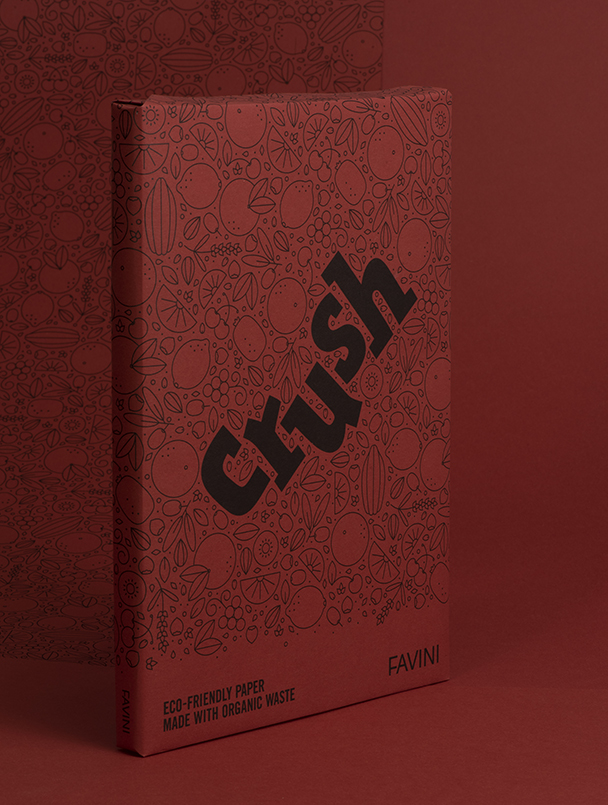
In a world where environmental sustainability is becoming increasingly important, innovative solutions are emerging to reduce waste and promote eco-friendliness. One such example is the Italian company Favini’s groundbreaking cardboard production process, which transforms fruit and vegetable scraps into high-quality, eco-friendly paper. This revolutionary approach has been dubbed “Crush,” and it’s changing the way we think about sustainable card making.
The Birth of Crush
Favini, a historic Italian cartiering company founded in 1736, has been at the forefront of innovation in the industry. Their commitment to sustainability led them to develop the Crush process, which harnesses the potential of fruit and vegetable scraps to create high-quality cardboard. By converting these organic materials into paper, Favini is not only reducing waste but also producing a product that meets the highest standards of quality.
The Science Behind Crush
So, how does this magic happen? The answer lies in the unique blend of ingredients used in the Crush process. The mixture includes 15% of residues from agricultural processing, 35% of post-consumer recycled fibers certified by the Forest Stewardship Council (FSC), and 55% of virgin fibers sourced from sustainably managed plantations. This precise combination allows for the production of high-quality cardboard with minimal environmental impact.
The Benefits of Crush
The benefits of this eco-friendly process are numerous:
- Reduced waste: By transforming fruit and vegetable scraps into paper, Favini is reducing the amount of waste sent to landfills.
- Conservation of natural resources: The use of sustainable sources for virgin fibers helps conserve forests and protect biodiversity.
- Lower carbon footprint: The Crush process requires significantly less energy than traditional cardboard production methods.
The Art of Paper Making
One of the most striking aspects of the Crush process is the variety of tonalities that can be achieved through different material combinations. By blending ingredients such as corn, citrus fruits, kiwi, hazelnuts, olives, and coffee, Favini creates a range of unique paper textures and colors.
The Environmental Impact of Traditional Cardboard Production
Traditional cardboard production methods have a significant environmental impact due to the large amounts of energy required for production. This includes:
- Energy consumption: The majority of traditional cardboard production is powered by fossil fuels, leading to greenhouse gas emissions.
- Water pollution: Chemicals used in the production process can contaminate water sources and harm aquatic life.
- Resource depletion: The extraction of raw materials for cardboard production can lead to deforestation and habitat destruction.
The Future of Sustainable Cardboard Production
As consumers become increasingly aware of the environmental impact of their purchasing decisions, companies are being pushed to adopt more sustainable practices. In response, Favini’s Crush process is gaining recognition as a leader in eco-friendly card making.
Case Studies: How Other Companies Are Implementing Sustainable Practices
- Favini’s partnerships: Collaborations with other companies and organizations to promote sustainable practices and reduce waste.
- Industry-wide initiatives: Efforts by industry leaders to develop more sustainable production methods and reduce the environmental impact of traditional cardboard production.
Conclusion
The innovative Crush process is revolutionizing the world of cardboard production, offering a sustainable alternative to traditional methods. By harnessing the potential of fruit and vegetable scraps, Favini is not only reducing waste but also producing high-quality eco-friendly products that meet the highest standards of quality.
Frequently Asked Questions (FAQs)
- What kind of materials are used in the Crush process?
- Fruit and vegetable scraps, such as citrus peels, corn cobs, kiwi skins, hazelnuts, olives, and coffee grounds.
- How does the Crush process reduce waste?
- By transforming organic materials into paper, reducing the amount of waste sent to landfills.
- What is the Forest Stewardship Council (FSC) certification?
- A voluntary certification program that ensures responsible forestry management and conservation of natural resources.
- How does the Crush process conserve natural resources?
- By using sustainable sources for virgin fibers sourced from sustainably managed plantations.
- What is the carbon footprint of the Crush process compared to traditional cardboard production methods?
- Significantly lower, due to reduced energy consumption during production.
Additional Resources
For more information on Favini’s innovative Crush process and its benefits for the environment, visit their website or explore related articles on sustainable card making.
Sustainable Card Making Alternatives: A Comprehensive Guide
In recent years, there has been a growing demand for eco-friendly products that minimize environmental impact. One area where consumers are seeking alternatives is in the world of paper production. In this guide, we will explore some of the most innovative and sustainable approaches to cardboard making.
1. Hemp Cardboard: A Sustainable Alternative
Hemp-based cardboard is a game-changer for the industry. This biodegradable material is derived from hemp plants, which require significantly less water and pesticides than traditional crops.
2. Mushroom-Based Cardboard: The Future of Sustainability
Mushroom mycelium can be used to create a range of products, including cardboard packaging materials. This sustainable approach has numerous benefits, including reduced waste and lower carbon emissions.
3. Recycled Cardboard: A Proven Solution
Recycling is an effective way to reduce waste and conserve natural resources. Using recycled cardboard in production reduces the demand for virgin fibers and helps to decrease greenhouse gas emissions.
4. Bamboo Cardboard: A Sustainable Resource
Bamboo is a highly renewable resource that can be used to produce high-quality cardboard. This sustainable approach has numerous benefits, including reduced deforestation and lower carbon emissions.
5. Bio-Based Cardboard: A Breakthrough in Sustainability
Bio-based cardboard is made from renewable biomass sources such as corn starch, sugarcane, or potato starch. This innovative approach offers a more sustainable alternative to traditional cardboard production methods.
Conclusion
The world of cardboard making is rapidly evolving, with companies and consumers alike seeking more sustainable practices. By exploring these innovative approaches to cardboard production, we can work towards a more environmentally friendly future.
Further Reading
For more information on sustainable card making practices, consider the following resources:
- Eco-Friendly Cardboard: A Guide to Sustainable Production
- Explore the benefits of eco-friendly cardboard and learn how to incorporate sustainable practices into your production process.
- The Future of Paper Production: Innovative Technologies and Trends
- Discover the latest advancements in paper production, including biodegradable materials and digital printing methods.
- Sustainable Cardboard Production: A Comprehensive Overview
- Dive deeper into the world of cardboard making and learn about the benefits and challenges of sustainable production methods.


