
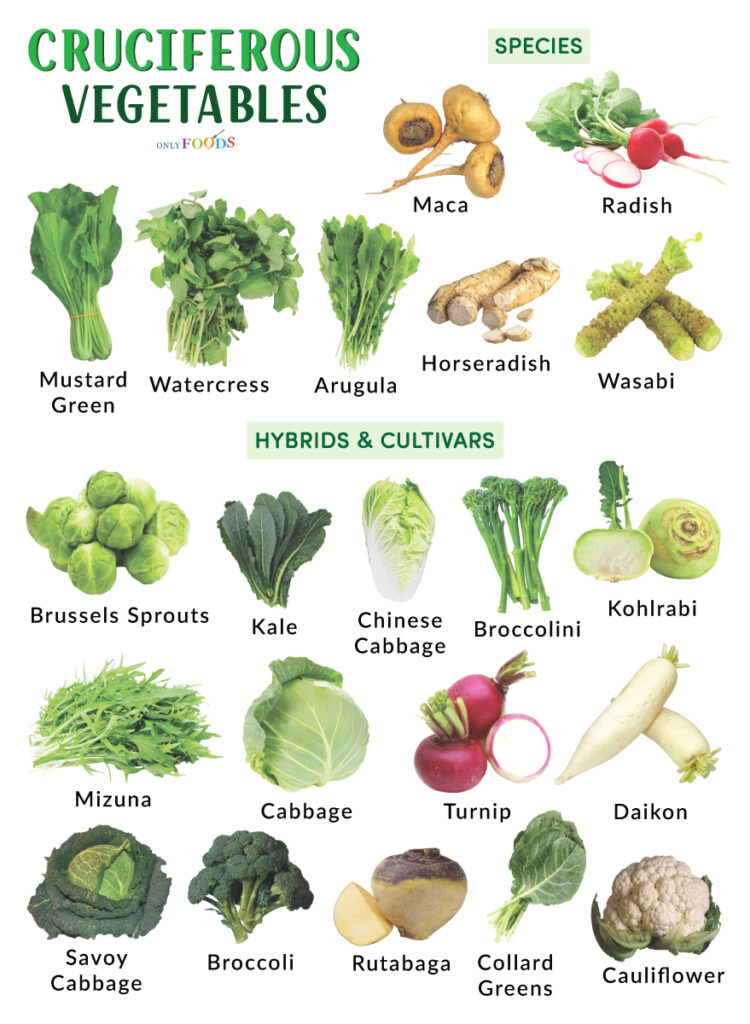
As we delve into the world of plant-based nutrition, one category that often flies under the radar is the cruciferous vegetables. Also known as brassicacees, these plants are not as well-known as other leafy greens, but they hold a wealth of benefits for our health and wellbeing.
What are Cruciferous Vegetables?
So, what exactly are cruciferous vegetables? They belong to the Brassica family, which includes some of the most nutritious and versatile veggies out there. These plants are characterized by their four-petaled flowers arranged in a cross-like pattern, earning them their name.
Some of the most common cruciferous vegetables include broccoli, cauliflower, kale, cabbage, and Brussels sprouts. These veggies are packed with micronutrients, fiber, and antioxidants that can have a significant impact on our overall health.
The Benefits of Cruciferous Vegetables
One of the most notable benefits of consuming cruciferous vegetables is their ability to fight off cancer cells. These plants contain compounds like sulforaphane, which has been shown to inhibit the growth of cancer cells and even induce apoptosis (cell death).
In addition to their anti-cancer properties, cruciferous vegetables are also rich in vitamins C and K, folate, and other essential minerals. They’ve also been linked to a reduced risk of heart disease, type 2 diabetes, and even cognitive decline.
Cruciferous Vegetables and Thyroid Health
If you’re struggling with thyroid issues, you may want to pay attention to the benefits of cruciferous vegetables for your endocrine system. These plants contain compounds that can help regulate thyroid function and reduce inflammation in the thyroid gland.
In fact, some research suggests that consuming cruciferous vegetables regularly can even help alleviate symptoms of hypothyroidism (underactive thyroid). So, if you’re experiencing fatigue, weight gain, or other thyroid-related issues, incorporating these veggies into your diet may be just what you need.
The Role of Cruciferous Vegetables in Seasonal Eating
Another benefit of cruciferous vegetables is their ability to add variety and nutrition to our diets during the winter months. Many of these plants are at their peak flavor and nutritional value between December and March, making them a great addition to your seasonal eating plan.
From hearty stews and soups to roasted side dishes and salads, there are countless ways to enjoy cruciferous vegetables year-round. Plus, their high fiber content means they can help keep you full and satisfied until spring arrives.
Cruciferous Vegetables: Do They Have Any Drawbacks?
While cruciferous vegetables are an incredibly nutritious addition to our diets, they may not be suitable for everyone. For example, people with hypothyroidism or those who are sensitive to sulfur compounds should consume these veggies in moderation.
Additionally, some individuals may experience digestive issues or gas after consuming cruciferous vegetables. However, this is relatively rare and can often be mitigated by cooking the veggies properly and introducing them gradually into your diet.
Incorporating Cruciferous Vegetables into Your Diet
So, how can you start incorporating these incredible veggies into your daily routine? Here are a few tips to get you started:
- Add broccoli or cauliflower to your morning omelette
- Sauté kale with garlic and lemon for a quick side dish
- Make a batch of roasted Brussels sprouts with olive oil and balsamic vinegar
- Blend cooked cabbage with apple cider vinegar and water for a probiotic-rich smoothie
Frequently Asked Questions
Here are some answers to some common questions about cruciferous vegetables:
Q: Are cruciferous vegetables good for everyone?
A: While they’re an excellent addition to many diets, individuals with certain health conditions (e.g., hypothyroidism) should consult their doctor before consuming these veggies.
Q: Can I eat cruciferous vegetables raw?
A: While it’s possible to eat them raw, cooking can enhance their bioavailability and ease digestion. However, if you do choose to eat them raw, make sure to wash them thoroughly first!
Q: How often should I consume cruciferous vegetables?
A: Aim to include a variety of these veggies in your diet 2-3 times per week. You can also freeze or store them for later use to ensure consistency.
Q: Can I grow my own cruciferous vegetables at home?
A: Absolutely! Many varieties are easy to grow and can thrive in containers or directly in the ground.
Q: Are there any other benefits of eating cruciferous vegetables besides their nutritional value?
A: Yes, these veggies have been shown to support immune function, reduce inflammation, and even promote cognitive health!
The Science Behind Cruciferous Vegetables
So, what exactly makes cruciferous vegetables so special? Let’s take a closer look at the science behind them.
Cruciferous vegetables contain a group of compounds called glucosinolates, which are responsible for many of their beneficial effects. These compounds can be broken down into various isothiocyanates and indoles, which have been shown to have anti-cancer and antioxidant properties.
Sulforaphane, in particular, has been extensively studied for its potential health benefits. This compound has been shown to:
- Inhibit the growth of cancer cells
- Induce apoptosis (cell death) in cancer cells
- Protect against oxidative stress and inflammation
- Support immune function
Other compounds found in cruciferous vegetables include indoles, which can help regulate hormone production and metabolism, and carotenoids, which have been shown to support eye health and reduce the risk of age-related macular degeneration.
The Environmental Impact of Cruciferous Vegetables
As we’re becoming increasingly aware of the impact of our food choices on the environment, it’s essential to consider the ecological footprint of cruciferous vegetables.
These plants are often grown using sustainable farming practices that prioritize soil health and biodiversity. Many varieties can also be grown in urban areas, reducing transportation costs and emissions associated with long-distance shipping.
However, some commercial cruciferous vegetable production may involve monoculture farming, which can lead to soil erosion and water pollution. To minimize the environmental impact of your diet, consider buying locally sourced, organic produce from sustainable farms whenever possible.
Cruciferous Vegetables in Traditional Medicine
For centuries, cruciferous vegetables have been used in traditional medicine across various cultures. These plants are often incorporated into teas, soups, and other remedies to support overall health and wellbeing.
In ancient China, for example, broccoli was believed to possess anti-cancer properties and was used to treat a range of ailments, from digestive issues to respiratory problems. Similarly, in Ayurvedic medicine, cauliflower is considered an adaptogenic herb that can help regulate the body’s response to stress.
Cruciferous Vegetables: A Flavorful Addition to Your Diet
So, how can you incorporate these incredible veggies into your daily routine? Here are a few ideas to get you started:
- Roast broccoli with olive oil and lemon for a delicious side dish
- Make a batch of cauliflower “rice” using a food processor and adding it to your favorite stir-fry recipes
- Sauté kale with garlic and lemon for a quick and easy salad topping
- Blend cooked cabbage with apple cider vinegar and water for a probiotic-rich smoothie
Conclusion
Cruciferous vegetables are an incredible addition to any diet, offering a wealth of benefits for our health and wellbeing. From their anti-cancer properties to their support for thyroid function and immune system, these plants are truly worth exploring.
By incorporating more cruciferous vegetables into your daily routine, you’ll not only be nourishing your body but also supporting your overall wellbeing. Whether you’re looking to boost your energy levels or simply feel more connected to the food you eat, these incredible veggies are definitely worth trying!


