
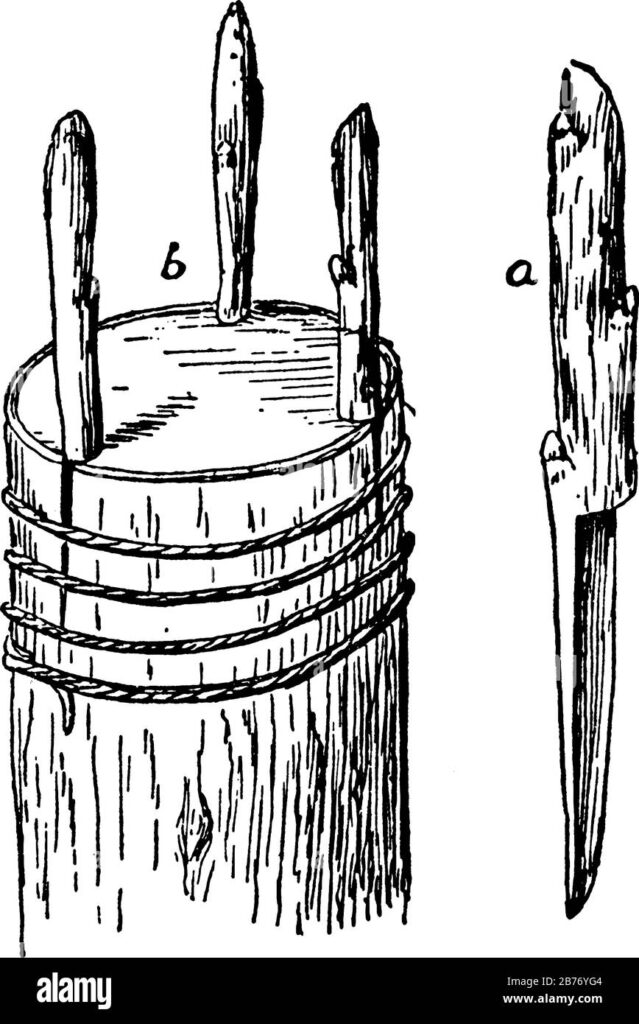
Crown grafting is a horticultural technique that has been used for centuries to combine the root system of one plant with the crown (the joint where the stem meets the roots) of another. This method allows for the transfer of desirable traits from one variety to another, resulting in improved fruit quality and increased yields.
What is Crown Grafting?
Crown grafting, also known as innesto a corona, involves making a cut in the stem of both plants and joining them together using a suitable grafting material. The process typically involves removing any diseased or damaged tissue from the plant, cutting a V-shaped notch in the stem of both plants, inserting the scion (the top part of the stem) into the root system of the recipient plant, and securing the graft with tape, wire, or wax.
Benefits of Crown Grafting
Crown grafting offers several advantages over traditional methods of propagation. By using a crown graft, you can improve fruit quality and consistency, increase yields and productivity, adapt plants to different environments and climates, and reduce the need for pesticides and fertilizers.
Choosing the Right Plant
Not all plants are suitable for crown grafting. The most commonly grafted plants include citrus fruits, apples, pears, cherries, plums, apricots, peaches, nectarines, and grapes. When selecting a plant for grafting, it’s essential to choose one that is healthy and disease-free.
Preparing the Plants
Before attempting a crown graft, it’s crucial to prepare both plants thoroughly. This includes:
- Selecting healthy, disease-free plants
- Preparing the root system of one plant for grafting
- Choosing the correct type of grafting material (e.g., tape, wire, or wax)
- Ensuring the crown area is clean and free of debris
The Grafting Process
Crown grafting involves several steps:
- Removing diseased tissue: Remove any diseased or damaged tissue from both plants to prevent the spread of disease.
- Cutting a V-shaped notch: Cut a V-shaped notch in the stem of both plants, just above the point where you’ll be making the graft.
- Inserting the scion: Insert the scion (the top part of the stem) into the root system of the recipient plant.
- Securing the graft: Secure the graft with tape, wire, or wax to hold it in place.
Tips and Tricks
Crown grafting can be a complex process, but with practice, you can master it. Here are some additional tips to keep in mind:
- Use high-quality grafting material to ensure a strong bond between the two plants
- Keep the grafted plant in a warm, humid environment to promote healing
- Monitor the plant’s progress and remove any dead or dying tissue
Frequently Asked Questions
- What is the best time to perform crown grafting?
The ideal time for crown grafting varies depending on the type of plant and climate. Generally, spring and early summer are considered the best times. - How long does it take for a grafted plant to produce fruit?
The time it takes for a grafted plant to produce fruit can vary significantly depending on factors such as the health of the plants, weather conditions, and soil quality. - Can crown grafting be used for ornamental purposes only?
While crown grafting is commonly used for fruit production, it can also be applied to ornamental plants like roses and other flowering shrubs. - What are some common challenges associated with crown grafting?
Some of the most frequent issues encountered during crown grafting include: - Inadequate healing time
- Poor compatibility between scion and rootstock
- Insufficient support for the grafted plant
- How can I care for a newly grafted plant?
To ensure the health and success of your newly grafted plant, provide it with: - Adequate light exposure
- Proper watering and fertilization
- Pruning and training to promote healthy growth
Common Mistakes to Avoid
Crown grafting can be a delicate process, and even small mistakes can lead to poor results. Here are some common mistakes to avoid:
- Inadequate preparation: Failing to prepare both plants thoroughly before attempting the graft can lead to poor compatibility between the scion and rootstock.
- Incorrect grafting technique: Using the wrong type of grafting material or making a cut that is too deep or shallow can lead to poor healing time.
- Insufficient support: Not providing enough support for the grafted plant can cause it to become unstable and prone to damage.
Conclusion
Crown grafting is a powerful tool for horticulturists, allowing them to combine the root system of one plant with the crown (the joint where the stem meets the roots) of another. By following the steps outlined in this guide, you can master the art of crown grafting and improve fruit quality and increase yields.
References
- “The Art of Crown Grafting” by John F. Lyle
- “Horticultural Techniques: Crown Grafting” by The Royal Horticultural Society
- “Crown Grafting: A Guide to Improving Fruit Quality” by the University of California, Davis
By understanding the benefits and techniques involved in crown grafting, you can unlock its full potential and take your fruit production to new heights.


