
Crohn’s disease is a chronic inflammatory bowel disease that affects the entire thickness of the intestinal wall in any part of the digestive tract. Unlike ulcerative colitis, which only inflames the inner lining of the large intestine, Crohn’s disease can cause inflammation throughout the digestive tract.
What Causes Crohn’s Disease?
The exact causes of Crohn’s disease are still unknown. Some researchers believe that a defect in the immune system may play a role in its development. Infections from bacteria or viruses may also contribute to the condition. However, stress and specific diets are not considered potential triggers.
It’s essential to note that Crohn’s disease is not contagious. Researchers have been studying the genetics of Crohn’s disease, and it has been found that individuals with a family history of the disease are more likely to develop it.
The Role of Genetics
While there is no known “Crohn’s gene,” research suggests that genetic factors may contribute to the development of the disease. Some studies have identified specific genetic markers associated with an increased risk of Crohn’s disease.
Environmental Factors
Environmental factors, such as exposure to certain bacteria or viruses, may also play a role in the development of Crohn’s disease. However, it is essential to note that these factors are not proven to cause the disease and more research is needed to fully understand their impact.
Symptoms of Crohn’s Disease
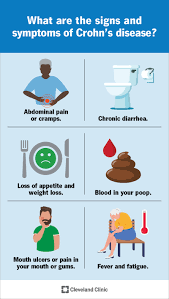
The symptoms of Crohn’s disease can vary depending on the individual and the severity of the condition. Common symptoms include:
- Abdominal pain: Pain in the abdomen, often described as crampy or aching
- Weight loss: Unintentional weight loss due to malabsorption of nutrients
- Diarrhea (sometimes with blood and mucus): Frequent diarrhea that may be accompanied by blood and mucus
- Fatigue: Feeling extremely tired or exhausted
- Constipation: Infrequent bowel movements or difficulty passing stools
- Malnutrition: Nutrient deficiencies due to impaired absorption
- Nausea: Feeling queasy or sick to the stomach
- Growth retardation or compromise in children: Inflammation and malabsorption can affect growth and development
Diagnosing Crohn’s Disease
To diagnose Crohn’s disease, doctors use a variety of tests, including:
- Blood tests: To check for anemia, infection, or inflammation
- Fecal exams: To look for blood, mucus, or other abnormalities in stool
- Radiographs (X-rays): To visualize the digestive tract and detect any signs of narrowing or blockages
- Colonoscopy and gastroscopy: To visually examine the inside of the colon and stomach
- Computed Tomography (CT) scans: To visualize the entire digestive tract and detect any signs of inflammation or damage
- Magnetic Resonance Imaging (MRI) scans: To visualize the digestive tract and detect any signs of inflammation or damage
- Ultrasounds: To check for any abnormalities in the digestive tract
Staging Crohn’s Disease
Once diagnosed, it’s essential to stage the disease to determine its severity. The Crohn’s Disease Activity Index (CDAI) is a commonly used tool to assess the severity of symptoms.
Treatment Options
The treatment of Crohn’s disease depends on various factors, such as the location and severity of inflammation, the presence of complications, and the individual’s overall health. Some possible treatments include:
- Medications: To reduce inflammation, suppress the immune system, or manage symptoms
- Corticosteroids (such as prednisone): To reduce inflammation and swelling
- Immunomodulators (such as azathioprine): To modify the immune response and prevent damage to the digestive tract
- Biologics: To target specific proteins involved in inflammation and repair the gut lining
- Surgery: To remove affected portions of the digestive tract or repair complications such as narrowing or blockages
Managing Crohn’s Disease through Diet
While dietary restrictions are not a cause of Crohn’s disease, a well-planned diet can help manage some symptoms and improve treatment outcomes. Understanding how the digestive process works may provide insight into how Crohn’s disease affects nutrient absorption.
The small intestine is where most of our nutrient absorption occurs. The villi on its surface absorb nutrients from food, while the remaining waste moves through to the large intestine. In a healthy individual, water absorption occurs in the large intestine, allowing for efficient elimination.
In contrast, the ileum, which is part of the small intestine, plays a crucial role in vitamin B12 and bile salt absorption. Inflammation or damage to this area can lead to impaired nutrient absorption.
Additional Factors Affecting Nutrient Absorption
Other factors that may impact nutrient absorption include:
- Medications: Some medications used to treat Crohn’s disease can reduce appetite and affect nutrient absorption.
- Chronic inflammation: The body’s need for additional nutrients increases during periods of chronic inflammation and fever.
Foods That May Help Manage Crohn’s Disease
While there is no single “Crohn’s diet,” incorporating certain foods into your daily routine may help manage symptoms. These include:
- Fiber-rich foods: Such as fruits, vegetables, whole grains, and legumes to promote regular bowel movements
- Protein-rich foods: Such as lean meats, fish, eggs, tofu, and nuts to support growth and repair
- Healthy fats: Such as avocado, olive oil, and fatty fish to support nutrient absorption and overall health
Consulting Your Healthcare Provider
To better understand your symptoms, it is crucial to consult with your healthcare provider. They will help determine the appropriate course of action and guide you through testing and treatment options.
Lifestyle Modifications for Managing Crohn’s Disease
In addition to dietary changes, lifestyle modifications can also play a significant role in managing Crohn’s disease. These include:
- Stress management techniques: Such as meditation, yoga, or deep breathing exercises to reduce stress and promote relaxation
- Regular exercise: To improve overall health and well-being
- Adequate sleep: To support growth and repair
Complications of Crohn’s Disease
While managing Crohn’s disease is possible with the right treatment and lifestyle modifications, complications can arise. These may include:
- Narrowing or blockages in the digestive tract
- Malnutrition due to impaired nutrient absorption
- Increased risk of infections and abscesses
- Mental health issues such as depression and anxiety
Conclusion
Crohn’s disease is a complex condition that affects millions of people worldwide. Understanding its causes, symptoms, and treatment options can help individuals manage their condition effectively. With the right approach, including dietary modifications, lifestyle changes, and medical interventions, it is possible to control Crohn’s disease and improve overall quality of life.
Consulting with your healthcare provider and staying informed about the latest research and treatment options are essential for managing Crohn’s disease.


